
黄连素作为肥胖症的多靶点治疗药物:从药理机制到临床证据
Berberine as a multi-target therapeutic agent for obesity: from pharmacological mechanisms to clinical evidence.
作者信息
Kong Yue, Yang Haokun, Nie Rong, Zhang Xuxiang, Zhang Hongtao, Nian Xin
机构信息
Department of Endocrinology, The First Affiliated Hospital of Kunming Medical University, Kunming, China.
Kunming Medical University, Kunming, China.
出版信息
Eur J Med Res. 2025 Jun 12;30(1):477. doi: 10.1186/s40001-025-02738-6.
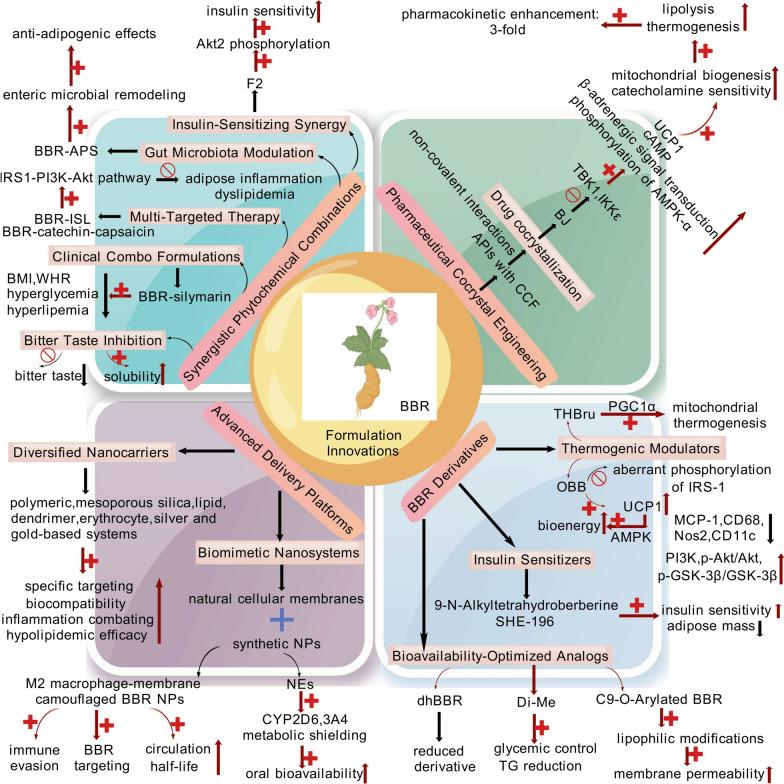
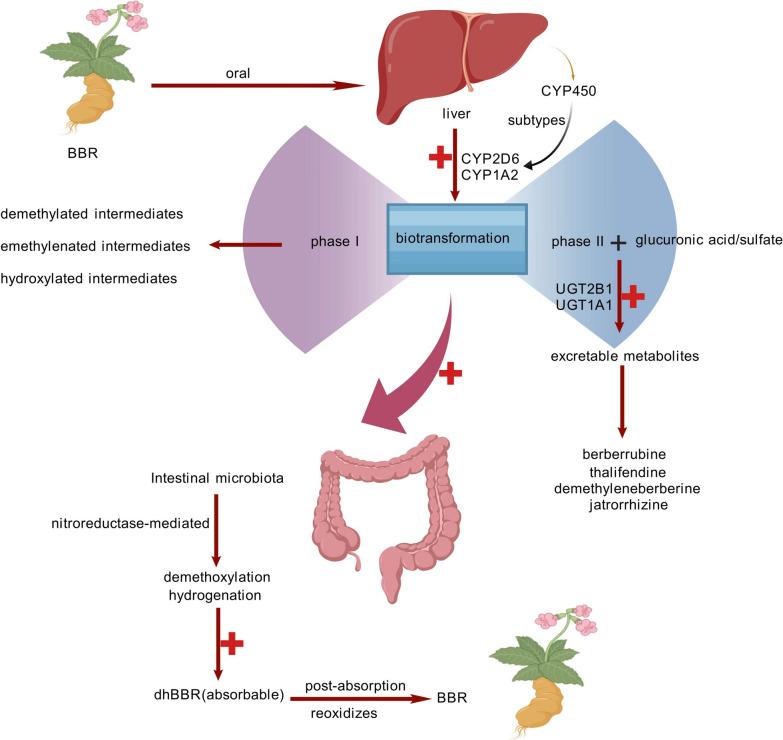
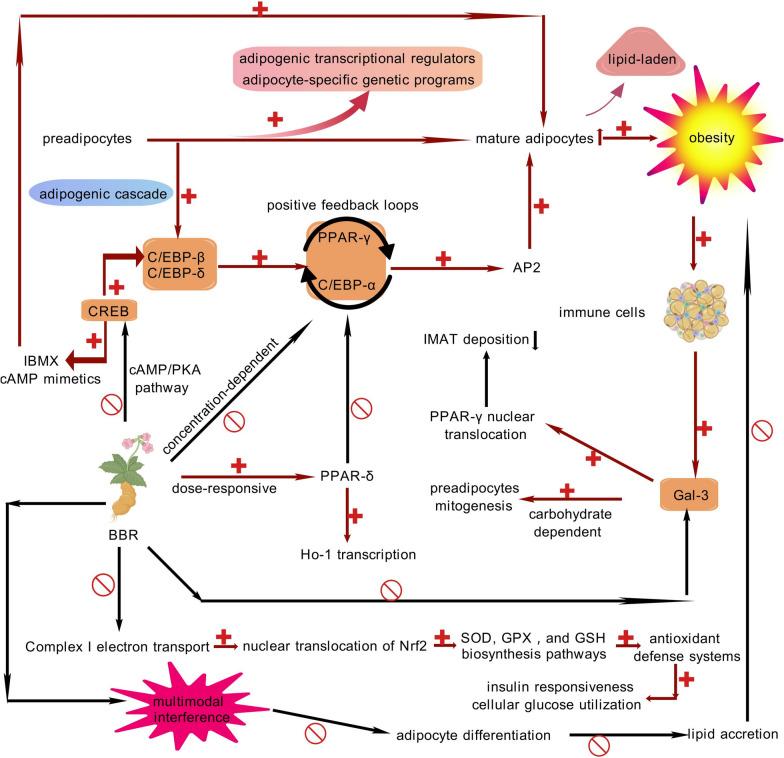
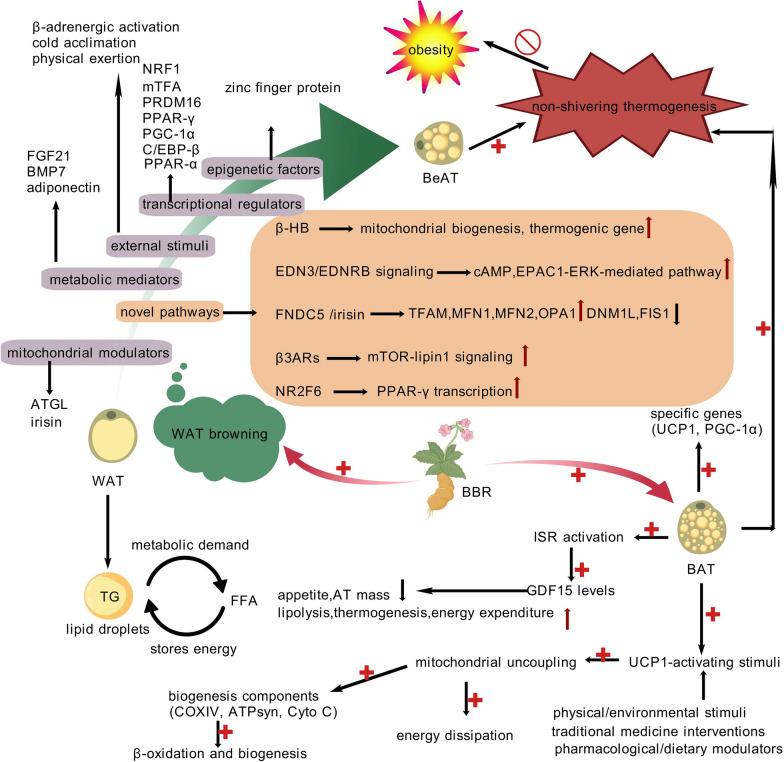
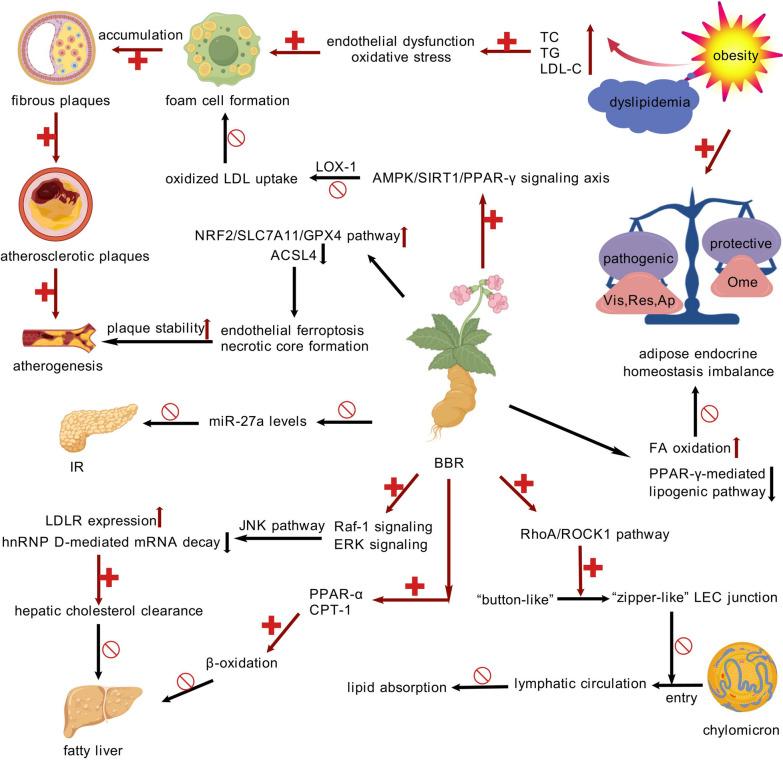
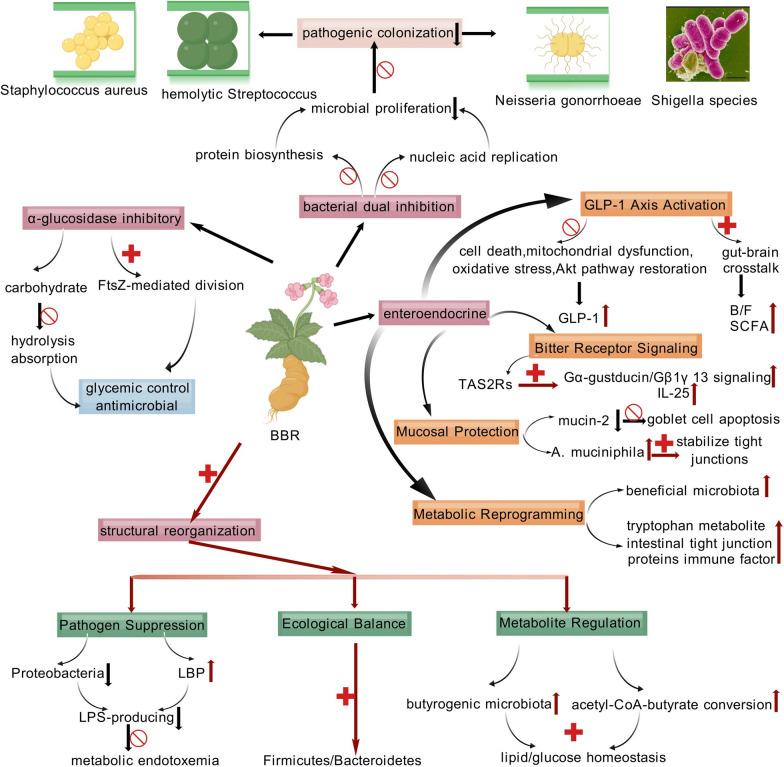
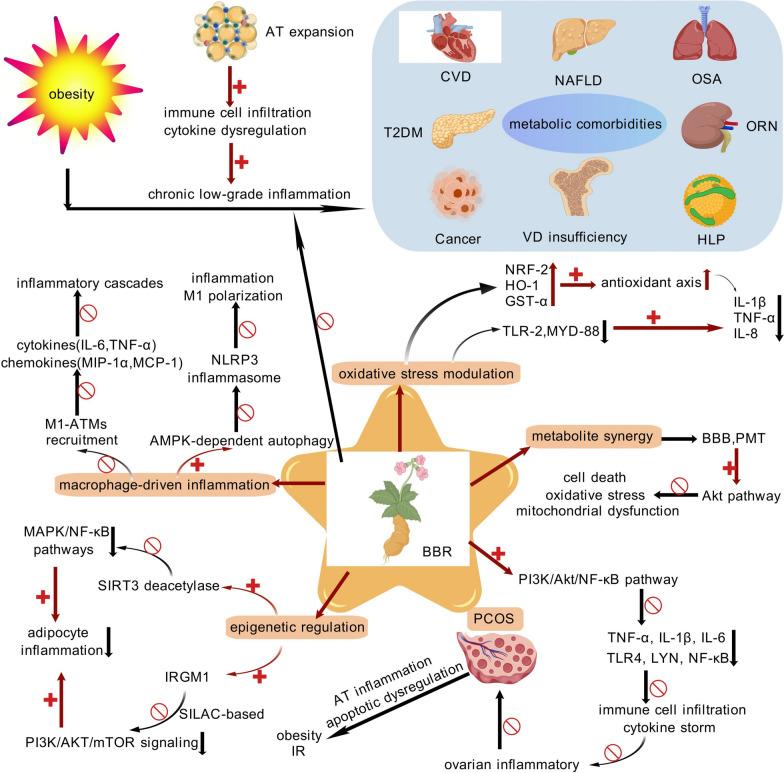
Obesity, clinically defined by pathological adipose tissue accumulation disrupting metabolic homeostasis, has reached pandemic proportions. The World Obesity Atlas 2024 reports over 1.5 billion projected cases by 2035, highlighting its growing threat among pediatric and adult populations globally. While newly approved pharmacotherapies such as glucagon-like peptide-1 receptor agonists (GLP-1 RAs) show efficacy, their clinical utility remains constrained by dose-dependent gastrointestinal complications, underscoring the urgent need for safer alternatives. This therapeutic gap has revitalized interest in natural bioactive compounds, particularly berberine (BBR)-a benzodioxoloquinolizine alkaloid derived from Coptis chinensis and related medicinal plants. Preclinical and clinical studies demonstrate BBR's multimodal anti-obesity mechanisms: (i) adenosine monophosphate-activated protein kinase (AMPK) activation enhancing lipolysis and β-oxidation, (ii) peroxisome proliferator-activated receptor γ (PPAR-γ) suppression inhibiting adipogenesis, (iii) gut microbiota modulation improving metabolic endotoxemia, and (iv) uncoupling protein 1 (UCP1) upregulation promoting adipose browning. Notably, BBR metabolites demonstrate pharmacological activity comparable to or exceeding that of the parent compound. However, BBR's translational applications face biopharmaceutical challenges, including poor intestinal absorption (< 1% bioavailability) due to P-glycoprotein efflux and first-pass metabolism. This comprehensive review critically evaluates recent advances in BBR's anti-obesity pharmacology through three lenses: (1) preclinical and clinical evidence from randomized controlled trials, (2) molecular mechanisms underlying metabolic regulation, and (3) innovative strategies for pharmacokinetic optimization. Given its multi-target efficacy and botanical safety profile, BBR represents a cost-effective adjuvant for obesity management, particularly in resource-limited settings. Future research should prioritize standardized clinical protocols and pharmacogenomic studies to optimize therapeutic outcomes.
肥胖症在临床上被定义为病理性脂肪组织堆积破坏代谢稳态,已达到大流行程度。《2024年世界肥胖地图集》报告称,到2035年预计病例将超过15亿,凸显了其在全球儿童和成人人群中日益增长的威胁。虽然新批准的药物疗法如胰高血糖素样肽-1受体激动剂(GLP-1 RAs)显示出疗效,但其临床应用仍受到剂量依赖性胃肠道并发症的限制,这突出了对更安全替代方案的迫切需求。这种治疗差距重新激发了人们对天然生物活性化合物的兴趣,特别是黄连素(BBR)——一种从黄连和相关药用植物中提取的苯并二氧杂卓喹嗪生物碱。临床前和临床研究证明了BBR的多模式抗肥胖机制:(i)腺苷单磷酸激活蛋白激酶(AMPK)激活增强脂肪分解和β-氧化,(ii)过氧化物酶体增殖物激活受体γ(PPAR-γ)抑制抑制脂肪生成,(iii)肠道微生物群调节改善代谢性内毒素血症,以及(iv)解偶联蛋白1(UCP1)上调促进脂肪褐变。值得注意的是,BBR代谢物显示出与母体化合物相当或超过母体化合物的药理活性。然而,BBR的转化应用面临生物制药挑战,包括由于P-糖蛋白外排和首过代谢导致的肠道吸收不良(生物利用度<1%)。这篇综述通过三个视角批判性地评估了BBR抗肥胖药理学的最新进展:(1)随机对照试验的临床前和临床证据,(2)代谢调节的分子机制,以及(3)药代动力学优化的创新策略。鉴于其多靶点疗效和植物安全性,BBR是肥胖管理的一种经济有效的辅助药物,特别是在资源有限的环境中。未来的研究应优先考虑标准化临床方案和药物基因组学研究,以优化治疗效果。

 Zotero 插件