
胎盘线粒体功能障碍在不良围产期结局中的作用:一项系统综述。
The Role of Placental Mitochondrial Dysfunction in Adverse Perinatal Outcomes: A Systematic Review.
作者信息
Voros Charalampos, Stavros Sofoklis, Sapantzoglou Ioakeim, Mavrogianni Despoina, Daskalaki Maria Anastasia, Theodora Marianna, Antsaklis Panagiotis, Drakakis Peter, Loutradis Dimitrios, Daskalakis Georgios
机构信息
1st Department of Obstetrics and Gynecology, 'Alexandra' General Hospital, National and Kapodistrian University of Athens, 80 Vasilissis Sofias Avenue, 11528 Athens, Greece.
3rd Department of Obstetrics and Gynecology, Attikon Hospital, National and Kapodistrian University of Athens, Rimini 1, 12462 Chaidari, Greece.
出版信息
J Clin Med. 2025 May 29;14(11):3838. doi: 10.3390/jcm14113838.
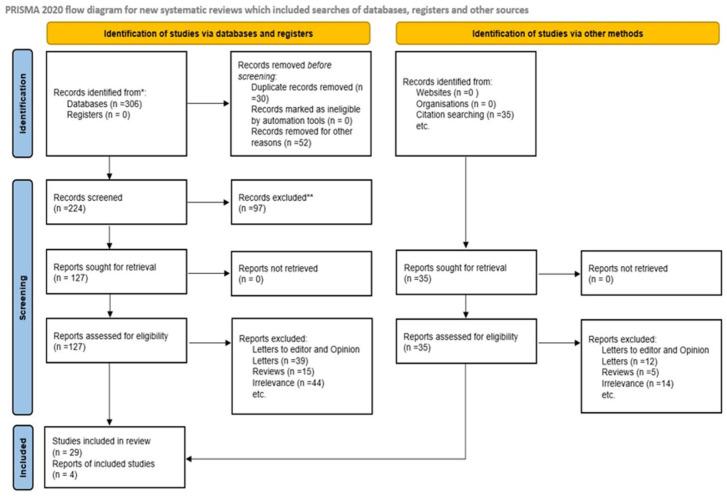
Mitochondria are essential for placental function as they regulate energy metabolism, oxidative balance, and apoptotic signaling. Increasing evidence suggests that placental mitochondrial dysfunction may play a role in the development of many poor perinatal outcomes, including preeclampsia, intrauterine growth restriction (IUGR), premature birth, and stillbirth. Nonetheless, no systematic review has thoroughly investigated this connection across human research. This study aims to consolidate evidence from human research concerning the link between placental mitochondrial dysfunction and negative birth outcomes. : A systematic search of PubMed, Scopus, and Web of Science identified human research examining placental mitochondrial features (e.g., mtDNA copy number, ATP production, oxidative stress indicators) in connection with adverse pregnancy outcomes. Methodological variety resulted in narrative data extraction and synthesis. : Twenty-nine studies met the inclusion criteria. Mitochondrial dysfunction was consistently associated with PE, IUGR, FGR, and PTB. The most often observed outcomes included diminished mtDNA copy number, decreased ATP production, elevated reactive oxygen species (ROS), and disrupted mitochondrial dynamics, characterized by increased DRP1 and decreased MFN2. Early-onset preeclampsia and symmetric fetal growth restriction exhibited particularly severe mitochondrial abnormalities, indicating a primary placental origin of the condition. : A significant factor contributing to adverse pregnancy outcomes is the dysfunction of placental mitochondria. The analogous molecular signatures across many disorders suggest promising avenues for developing targeted therapies aimed at improving maternal-fetal health and predictive biomarkers.
线粒体对胎盘功能至关重要,因为它们调节能量代谢、氧化平衡和凋亡信号传导。越来越多的证据表明,胎盘线粒体功能障碍可能在许多不良围产期结局的发生中起作用,包括子痫前期、宫内生长受限(IUGR)、早产和死产。尽管如此,尚无系统综述全面研究人类研究中的这种联系。本研究旨在整合来自人类研究的关于胎盘线粒体功能障碍与不良分娩结局之间联系的证据。:对PubMed、Scopus和Web of Science进行系统检索,确定了研究胎盘线粒体特征(如线粒体DNA拷贝数、ATP生成、氧化应激指标)与不良妊娠结局之间关系的人类研究。方法的多样性导致了叙述性数据提取和综合。:29项研究符合纳入标准。线粒体功能障碍与子痫前期、IUGR、胎儿生长受限(FGR)和早产(PTB)始终相关。最常观察到的结果包括线粒体DNA拷贝数减少、ATP生成减少、活性氧(ROS)升高以及线粒体动力学紊乱,其特征是动力相关蛋白1(DRP1)增加和线粒体融合蛋白2(MFN2)减少。早发型子痫前期和对称性胎儿生长受限表现出特别严重的线粒体异常,表明该病主要起源于胎盘。:胎盘线粒体功能障碍是导致不良妊娠结局的一个重要因素。许多疾病中类似的分子特征为开发旨在改善母婴健康的靶向治疗和预测生物标志物提供了有前景的途径。
 Zotero 插件