
在流动反应条件下进行的钴(II)介导的催化链转移聚合(CCTP)及引入在线凝胶渗透色谱(GPC)监测的新方法
Co(II)-Mediated Catalytic Chain Transfer Polymerization (CCTP) Carried Out Under Flow Reaction Conditions and Introducing a New Method for Online GPC Monitoring.
作者信息
Yao Yanpu, Yang Xiaofan, Aydogan Cansu, Town James, Pointer William, Haddleton David M
机构信息
Department of Chemistry, University of Warwick, Coventry CV4 7AL, United Kingdom.
Polymer Characterization Research Technology Platform, University of Warwick, Coventry CV4 7AL, United Kingdom.
出版信息
ACS Polym Au. 2025 May 29;5(3):311-322. doi: 10.1021/acspolymersau.5c00020. eCollection 2025 Jun 11.
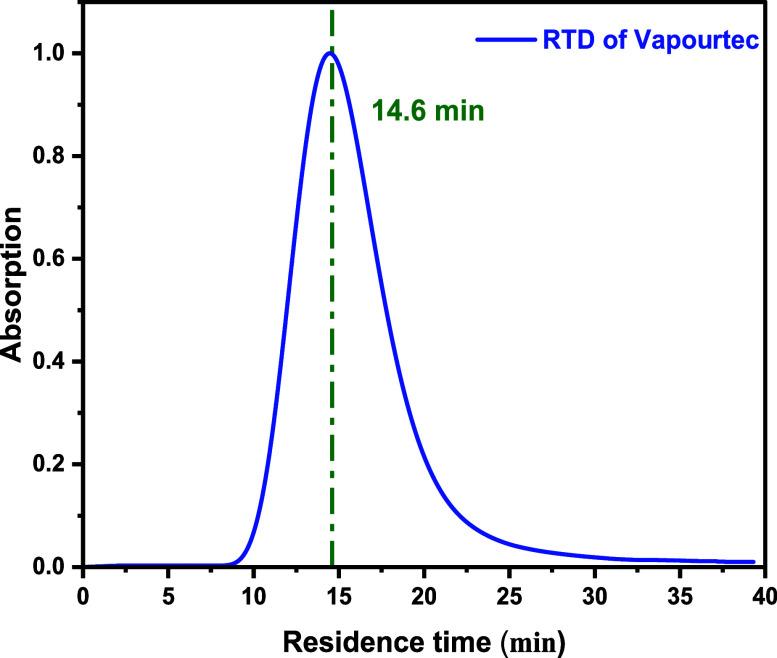
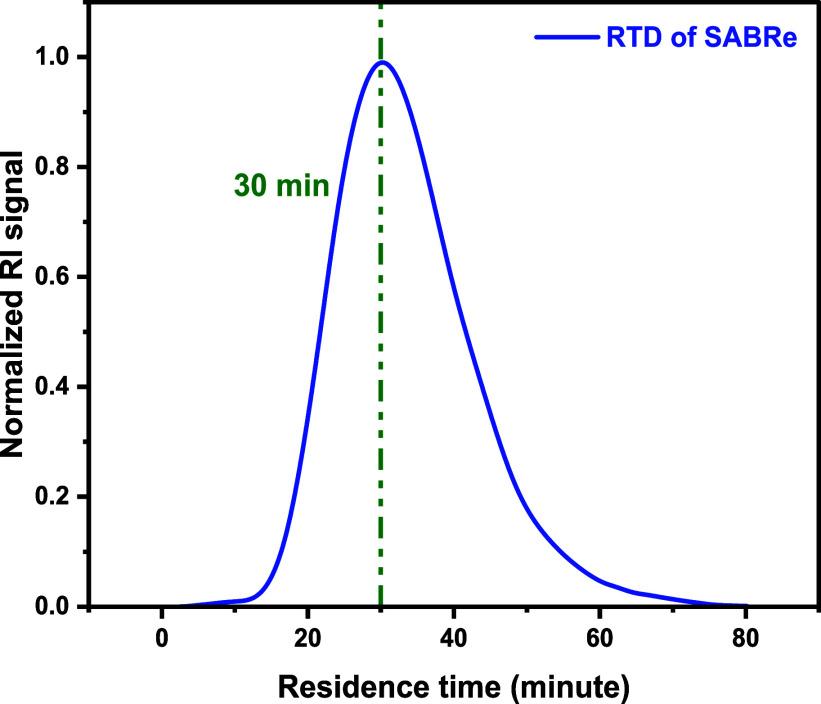
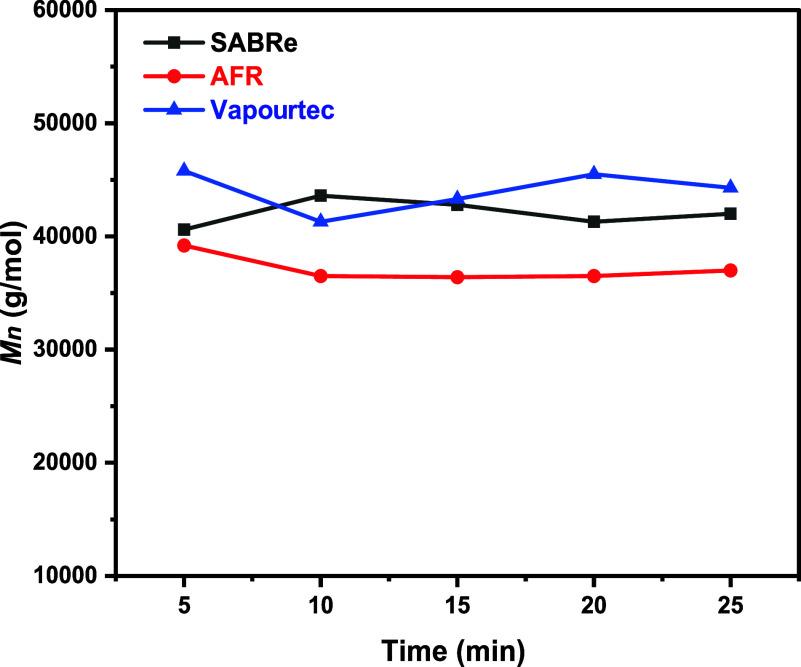
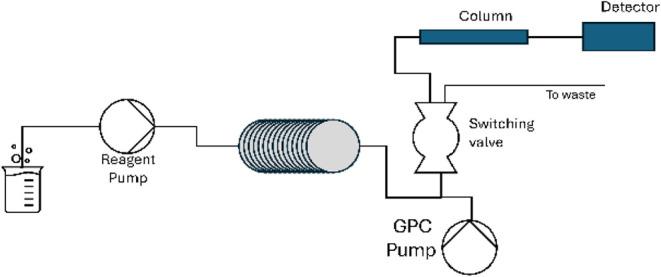
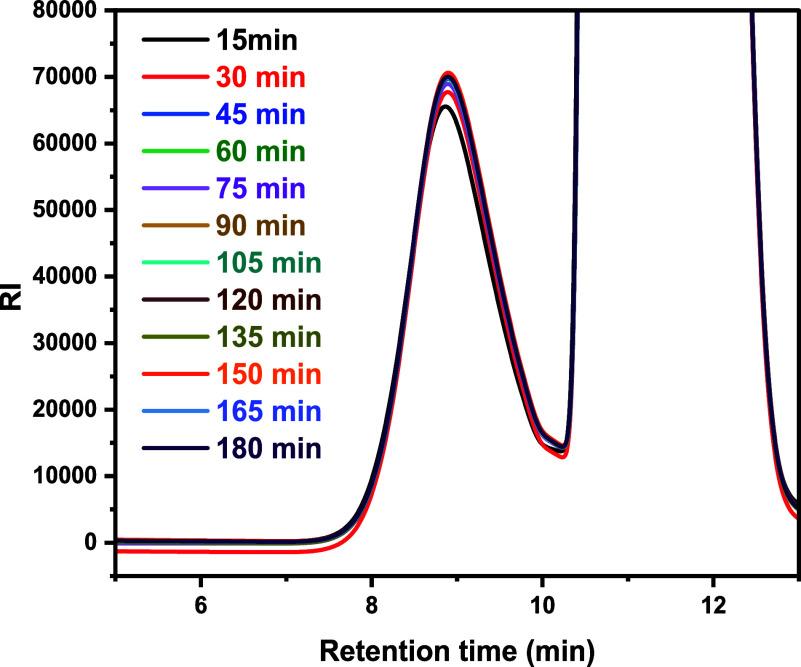
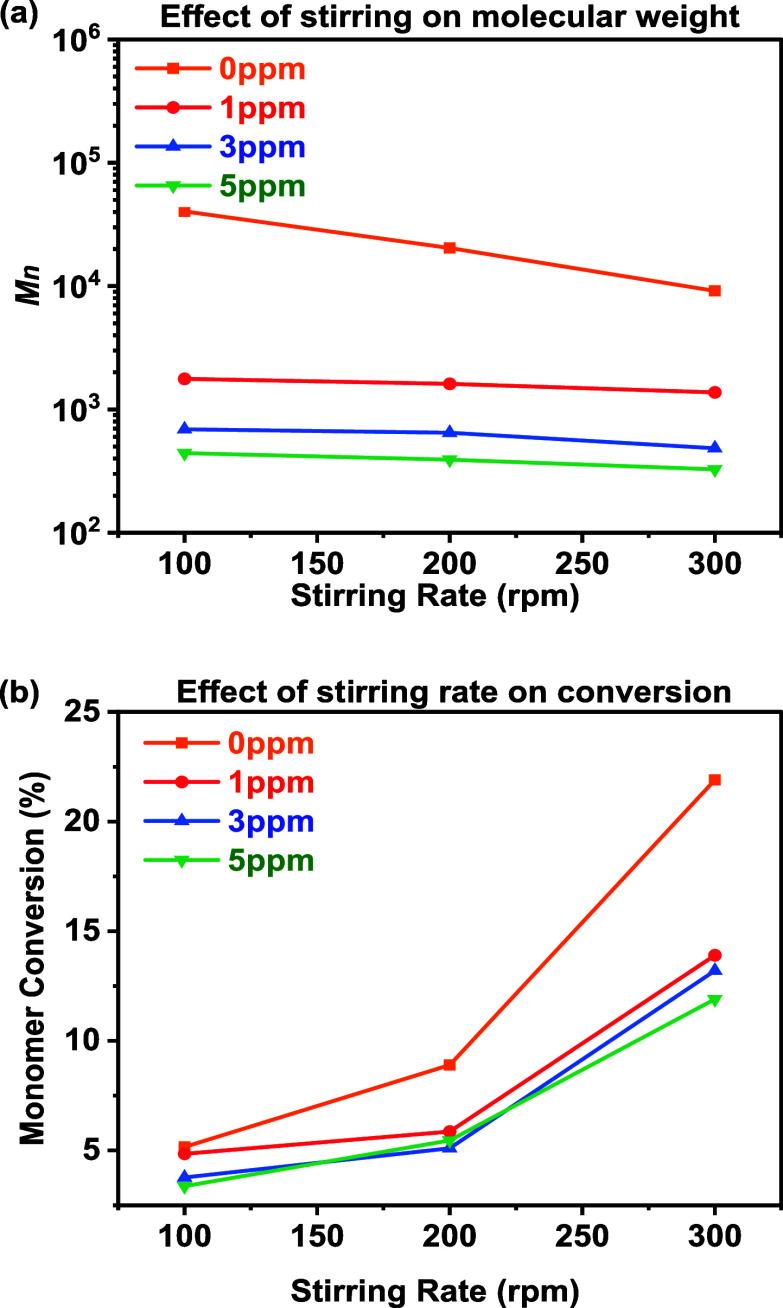
We report an investigation into the thermally induced catalytic chain transfer polymerization (CCTP) using bis-[(difluoroboryl)-dimethylglyoximato] cobalt-(II) (CoBF) as a chain transfer agent in three different flow reactors: (1) a cascade of continuous stirred-tank reactors (CSTRs), (2) a simple tubular flow reactor, and (3) a Corning Advanced Flow Reactor (AFR). Systematic variations in monomer type, temperature, and stirring rate were employed to investigate their effects on the polymerization process. In the CSTR cascade, higher polymerization rates and conversions were observed without compromising reaction control. Comparative analyses between the flow systems and conventional batch reactions were performed to assess the performance of CoBF under these different reaction conditions. All reactor designs proved successful in carrying out CCTP, and this chemistry is well-suited to continuous production under different flow conditions. The applicability of the reaction system was further verified with successful CCTP of glycidyl methacrylate, and the reproducibility was confirmed by using online continuous GPC.
我们报告了一项关于热引发催化链转移聚合(CCTP)的研究,该研究使用双[(二氟硼基)-二甲基乙二肟基]钴(II)(CoBF)作为链转移剂,在三种不同的流动反应器中进行:(1)串联连续搅拌釜式反应器(CSTR),(2)简单管式流动反应器,以及(3)康宁高级流动反应器(AFR)。通过系统改变单体类型、温度和搅拌速率,研究它们对聚合过程的影响。在CSTR串联体系中,观察到更高的聚合速率和转化率,同时不影响反应控制。对流动体系和传统间歇反应进行了对比分析,以评估CoBF在这些不同反应条件下的性能。所有反应器设计都成功实现了CCTP,并且这种化学方法非常适合在不同流动条件下进行连续生产。通过甲基丙烯酸缩水甘油酯的成功CCTP进一步验证了反应体系的适用性,并通过在线连续GPC确认了重现性。





 Zotero 插件