
基于脉冲激光在液体中合成碳量子点和石墨烯量子点的综述:从基础、化学到生物应用及其他
A Review on Pulsed Laser-Based Synthesis of Carbon and Graphene Quantum Dots in Liquids: From Fundamentals, Chemistry to Bio Applications and Beyond.
作者信息
U Cortes Francis Rey, Falomir Eva, Doñate-Buendía Carlos, Mínguez-Vega Gladys
机构信息
Group of Optics-UJI (GROC-UJI), Institute of New Imaging Technologies (INIT), Universitat Jaume I (UJI), 12071, Castellón, Spain.
Department of Inorganic and Organic Chemistry, Universitat Jaume I (UJI), 12071, Castellón, Spain.
出版信息
J Phys Chem C Nanomater Interfaces. 2025 Jun 2;129(23):10378-10414. doi: 10.1021/acs.jpcc.5c01343. eCollection 2025 Jun 12.
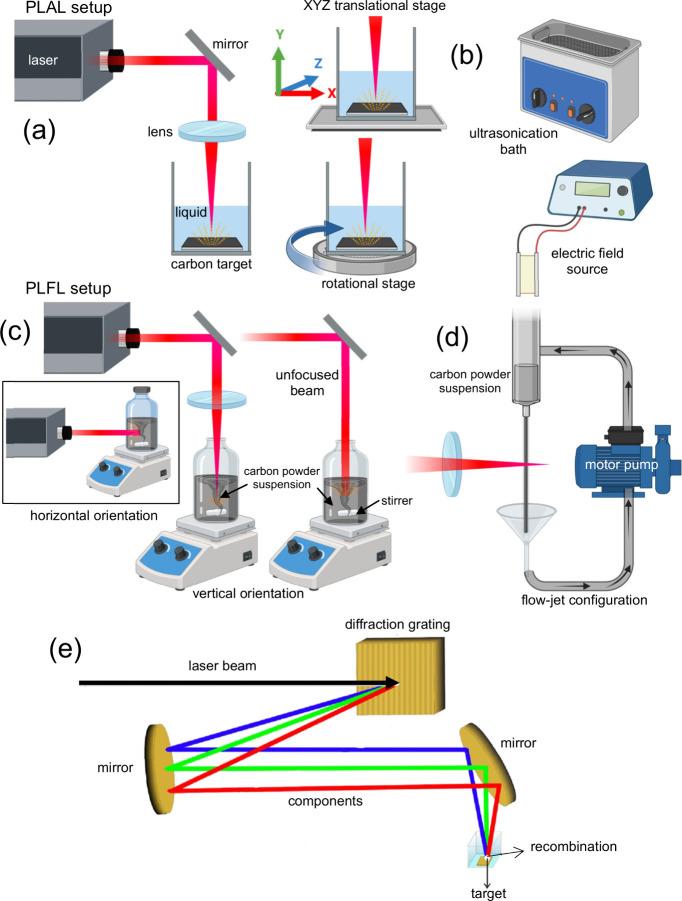
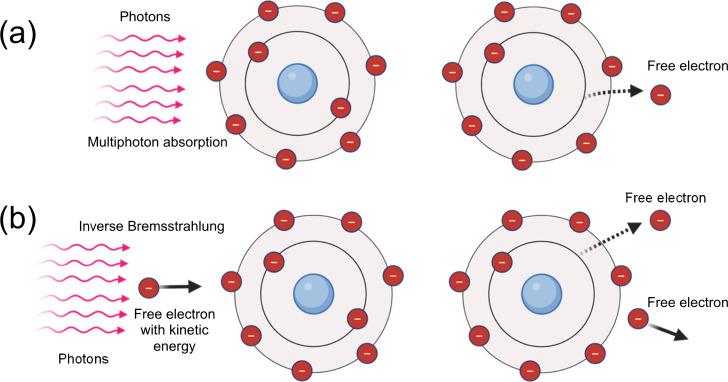
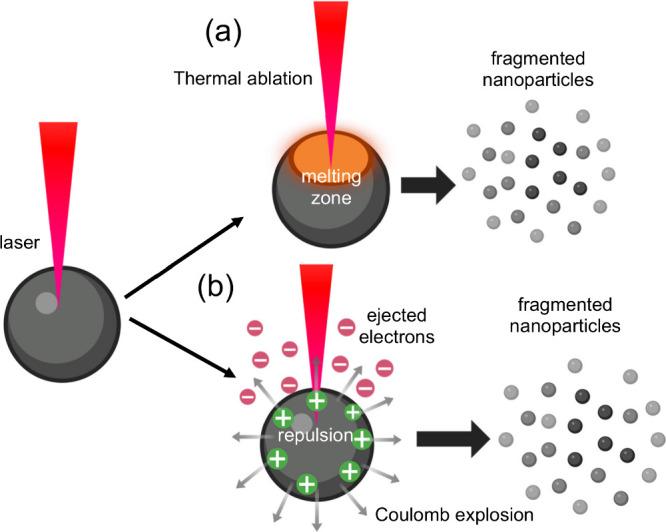
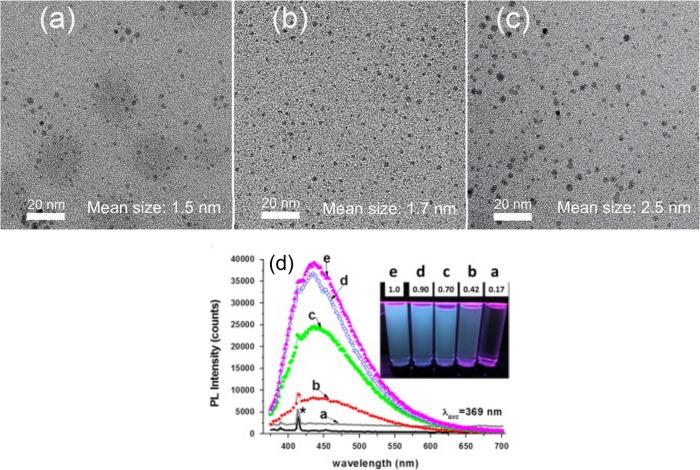
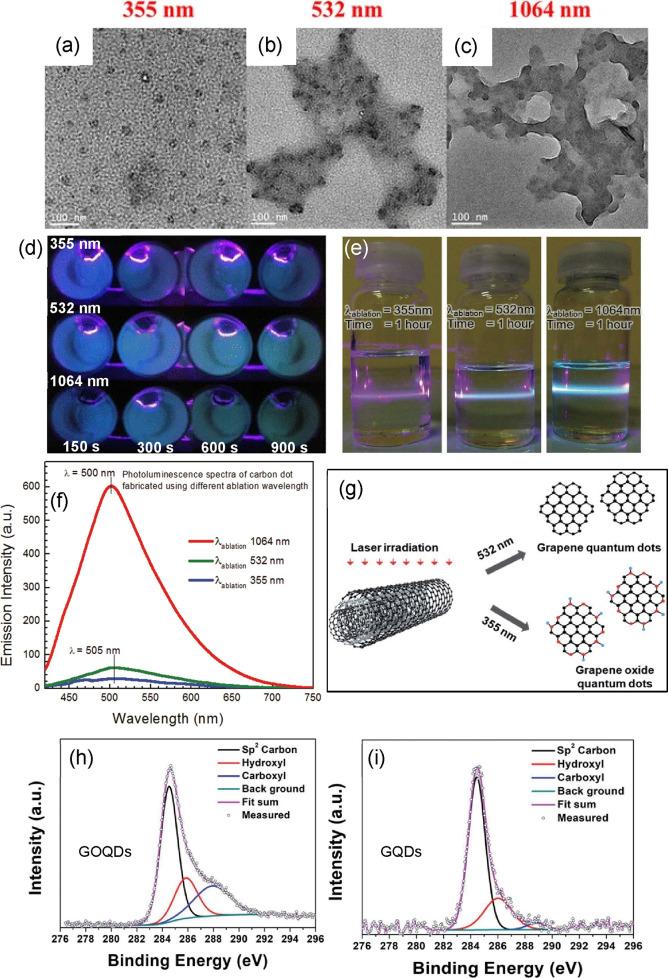
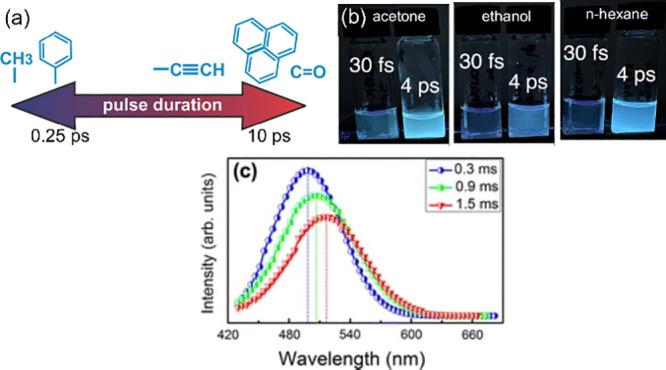
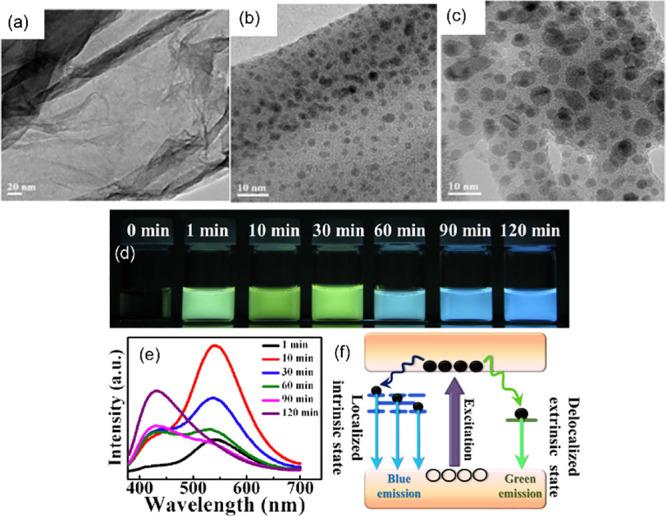
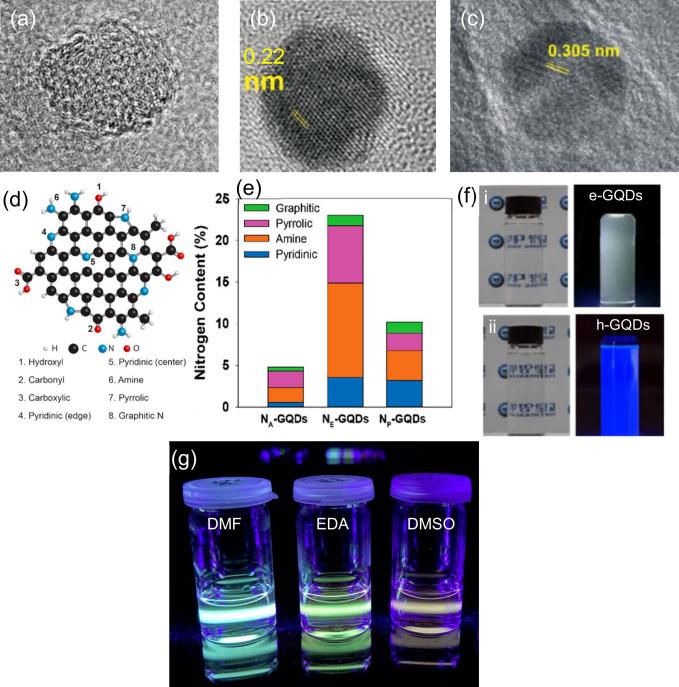
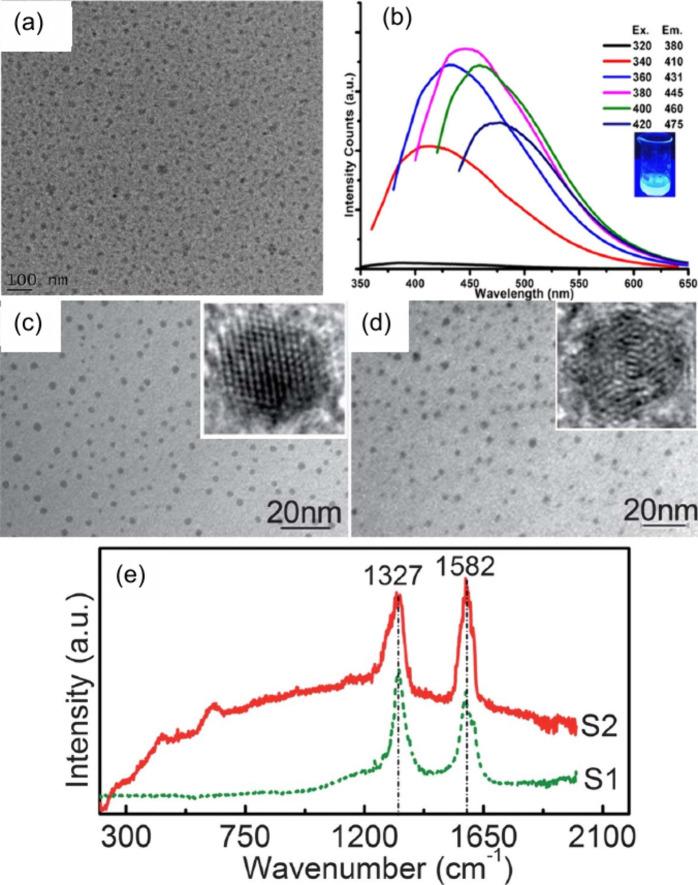
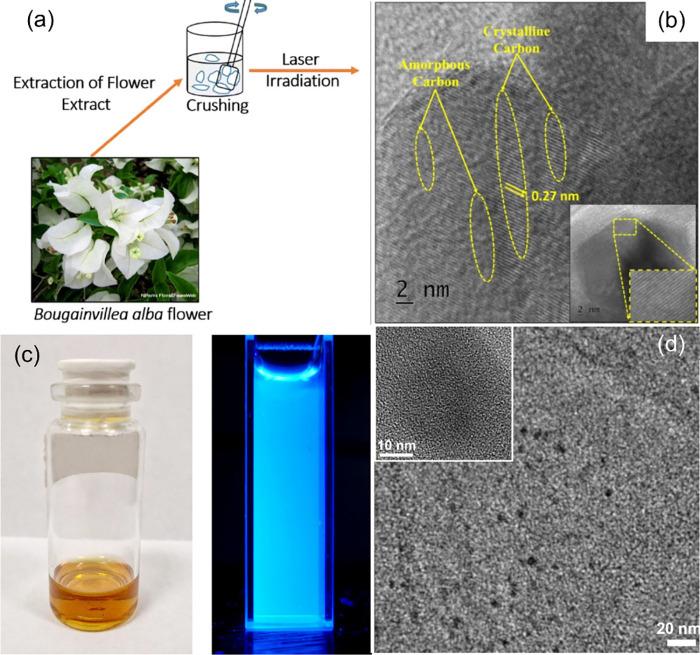
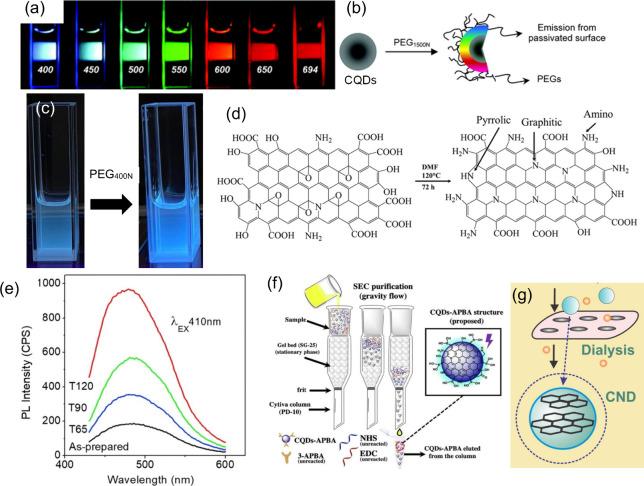
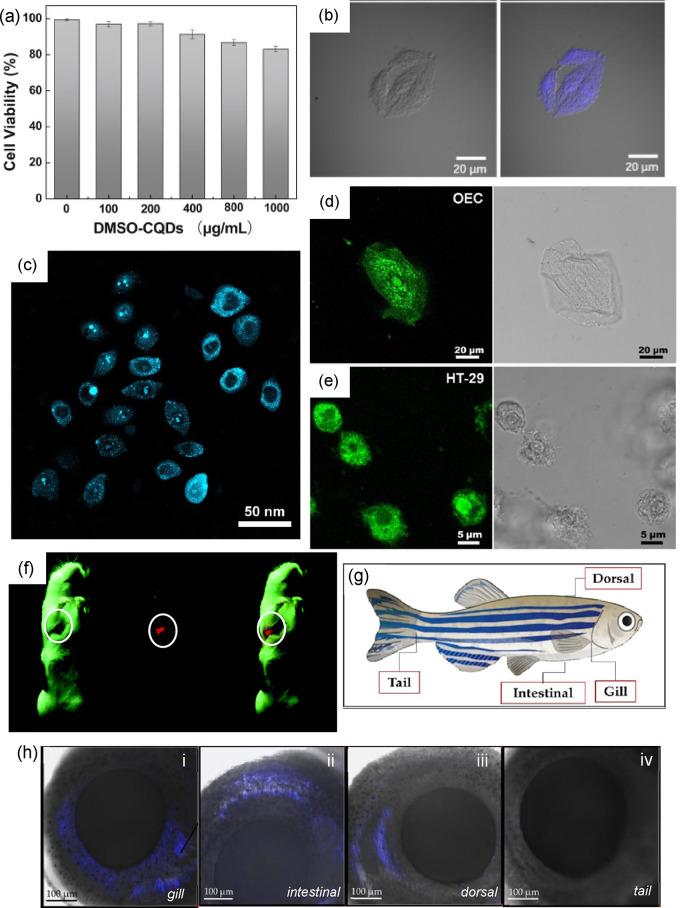
The constantly growing interest in zero-dimensional carbon-based nanomaterials such as carbon quantum dots (CQDs) and graphene quantum dots (GQDs) as the vital components in advancing various bio-related, catalysis, and energy-relevant applications has inspired nanotechnology research centered mainly on their synthesis and modifications for the betterment of their exceptional features including their strong and tunable fluorescence. Among the multitude of synthesis approaches in fabricating CQDs and GQDs, laser-based synthesis in liquids, such as pulsed laser ablation in liquids (PLAL) and pulsed laser fragmentation in liquids (PLFL), has emerged as a more beneficial technique owing to its versatility, flexibility, green synthesis process, and ease of scalability. With the modern trend of employing this method for CQDs and GQDs synthesis, this review article will revisit the foundation of laser synthesis in liquids, starting from its fundamental mechanism of nanoparticle formation to the effect of different variables such as laser parameters (e.g., laser energy, laser wavelength, frequency), chosen liquids, and the starting carbon material to the final attributes (morphological, optical, and surface) of CQDs and GQDs. In this paper, we will also address the different post-laser treatments, such as modifications and conjugation, and how they affect the properties of CQDs and GQDs. We will also emphasize the diverse applications of laser-synthesized CQDs and GQDs, ranging from bioapplications to beyond bio-related applications. This article hoped to provide practical insights for researchers to develop further laser synthesis in liquids to produce carbon-based nanomaterials such as CQDs and GQDs and their applicability to other applications.
对零维碳基纳米材料(如碳量子点(CQDs)和石墨烯量子点(GQDs))的兴趣持续增长,它们作为推进各种生物相关、催化和能源相关应用的关键组件,激发了纳米技术研究,主要集中在它们的合成和改性上,以改善其卓越特性,包括其强且可调谐的荧光。在制造CQDs和GQDs的众多合成方法中,基于激光的液体合成,如液体中的脉冲激光烧蚀(PLAL)和液体中的脉冲激光破碎(PLFL),由于其多功能性、灵活性、绿色合成过程和易于扩展性,已成为一种更有益的技术。随着采用这种方法合成CQDs和GQDs的现代趋势,这篇综述文章将重新审视液体中激光合成的基础,从纳米颗粒形成的基本机制到不同变量的影响,如激光参数(如激光能量、激光波长、频率)、所选液体和起始碳材料对CQDs和GQDs最终属性(形态、光学和表面)的影响。在本文中,我们还将讨论不同的激光后处理,如改性和共轭,以及它们如何影响CQDs和GQDs的性能。我们还将强调激光合成的CQDs和GQDs的各种应用,从生物应用到超越生物相关的应用。本文希望为研究人员提供实用的见解,以进一步开发液体中的激光合成,以生产碳基纳米材料,如CQDs和GQDs及其在其他应用中的适用性。




 Zotero 插件