
从印度尼西亚东爪哇省格雷西克区传统市场销售的鸡肉中分离出的[具体内容缺失]的抗生素耐药性概况。
Antibiotic resistance profiles of and . isolated from chicken meat sold in traditional markets in Gresik District, East Java, Indonesia.
作者信息
Wibisono Freshinta Jellia, Effendi Mustofa Helmi, Tyasningsih Wiwiek, Rahmaniar Reina Puspita, Khairullah Aswin Rafif, Kendek Irfan Alias, Budiastuti Budiastuti, Rianto Vinsensius, Nico Dicky Candra, Kurniasih Dea Anita Ariani, Salwa Salsabila, Diningrum Dinda Prisilya, Moses Ikechukwu Benjamin, Ahmad Riza Zainuddin
机构信息
Veterinary Public Health Laboratory, Faculty of Veterinary Medicine, Universitas Wijaya Kusuma Surabaya, Surabaya, Indonesia.
Division of Veterinary Public Health, Faculty of Veterinary Medicine, Universitas Airlangga, Surabaya, Indonesia.
出版信息
Open Vet J. 2025 May;15(5):2160-2170. doi: 10.5455/OVJ.2025.v15.i5.34. Epub 2025 May 31.
BACKGROUND
Antibiotic resistance in the poultry industry poses a global threat. The occurrence of resistance in humans can occur through foodstuffs of animal origin, one of which is chicken meat, which is sold in traditional markets. Traditional markets are synonymous with dirty environments and poor sanitation and hygiene.
AIM
The purpose of this study was to determine the contamination of and . and antibiotic resistance in chicken meat from traditional markets in the Gresik District.
METHODS
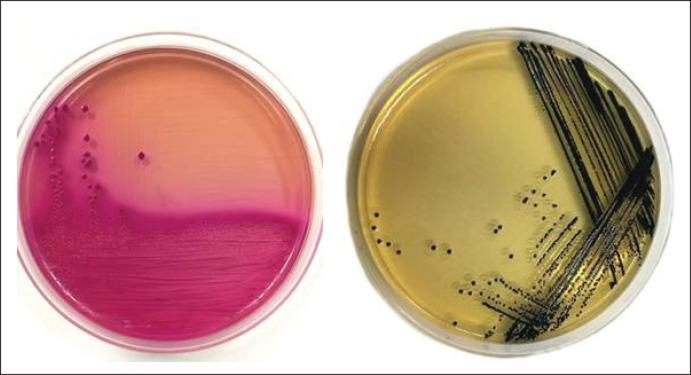
The samples were collected by random sampling following the general procedures of the FDA guidelines for meat sample handling. The samples were then transported in a cold box containing ice packs at approximately 4°C. Laboratory testing was conducted at the Veterinary Public Health Laboratory, Faculty of Veterinary Medicine, Wijaya Kusuma University, Surabaya. Samples were cultured on selective MacConkey Agar and Shigella Agar, followed by Gram staining, biochemical tests, and antibiotic susceptibility testing on Mueller Hinton Agar using the Clinical and Laboratory Standards Institute (CLSI, 2022) guidelines.
RESULTS
The results of antibiotic resistance to showed resistance to amoxicillin 75% (47/61), ampicillin 75% (47/61), oxytetracycline 59% (36/61), streptomycin 49% (30/61), sulfonamide trimethoprim 44% (27 /61), ciprofloxacin 29% (18/61), gentamicin 27% (17/61), chloramphenicol 13% (8/61), and azithromycin 3% (2/61), while spp. showed antibiotic resistance oxytetracycline 84% (27/32), azithromycin 65% (21/32), sulfonamide trimethoprim 53% (17/32), ampicillin 43% (14/32), streptomycin 34% (11/32), amoxicillin 31% (10/32), ciprofloxacin 15% (5/32), gentamicin 12% (4/32), and chloramphenicol 9% (3/32). Antibiotics that have experienced multidrug resistance (MDR) against bacteria by 42% (26/61) and spp. by 43% (14/32).
CONCLUSION
This study found high levels of antibiotic resistance in and spp. isolated from chicken meat sold in traditional markets in Gresik District, with the highest resistance observed against amoxicillin, ampicillin, and oxytetracycline. MDR was detected in 42% of and 43% of spp. isolates. These findings suggest the potential misuse of antibiotics in poultry production and underscore the need for better surveillance, hygiene control in markets, and responsible antibiotic use to prevent the transmission of resistant bacteria to humans.
背景
家禽业中的抗生素耐药性构成全球威胁。人类中的耐药性可通过动物源性食品发生,其中之一是在传统市场销售的鸡肉。传统市场与肮脏的环境以及较差的环境卫生和个人卫生同义。
目的
本研究的目的是确定格雷西克区传统市场鸡肉中的污染情况以及抗生素耐药性。
方法
按照美国食品药品监督管理局(FDA)肉类样品处理一般程序进行随机抽样采集样品。然后将样品置于装有冰袋的冷藏箱中,在约4°C下运输。在泗水维贾亚库苏马大学兽医学院的兽医公共卫生实验室进行实验室检测。样品在选择性麦康凯琼脂和志贺氏菌琼脂上培养,随后进行革兰氏染色、生化试验,并按照临床和实验室标准协会(CLSI,2022)指南在穆勒-欣顿琼脂上进行抗生素敏感性试验。
结果
对......的抗生素耐药性结果显示,对阿莫西林耐药率为75%(47/61),氨苄西林为75%(47/61),土霉素为59%(36/61),链霉素为49%(30/61),磺胺甲恶唑为44%(27/61),环丙沙星为29%(18/61),庆大霉素为27%(共17/61),氯霉素为13%(8/61),阿奇霉素为3%(2/61),而......菌对土霉素耐药率为84%(27/32),阿奇霉素为65%(21/32),磺胺甲恶唑为53%(17/32),氨苄西林为43%(14/32),链霉素为34%(11/32),阿莫西林为31%(10/32),环丙沙星为(15%)(5/32),庆大霉素为12%(4/32),氯霉素为9%(3/32)。对......细菌产生多重耐药(MDR)的抗生素比例为42%(26/61),对......菌为43%(14/32)。
结论
本研究发现,从格雷西克区传统市场销售的鸡肉中分离出的......菌和......菌具有高水平的抗生素耐药性,对阿莫西林、氨苄西林和土霉素的耐药性最高。在42%的......菌和43%的......菌分离株中检测到多重耐药。这些发现表明家禽生产中可能存在抗生素滥用情况,并强调需要加强监测、市场卫生控制以及合理使用抗生素,以防止耐药菌传播给人类。
 Zotero 插件