
黑色素瘤当代靶向治疗和免疫治疗选择的综合综述
A Consolidated Review of Contemporary Targeted and Immunotherapeutic Options for Melanoma.
作者信息
Champion Parker J, Bluestein Jacob R, Quinn Anthony E, Bell Scott D, Kiley Josiah H, Wakefield Mark R, Fang Yujiang
机构信息
Department of Microbiology, Immunology & Pathology, Des Moines University, West Des Moines, IA 50266, USA.
Department of Surgery, University of Missouri School of Medicine, Columbia, MO 65212, USA.
出版信息
Biomedicines. 2025 Jun 5;13(6):1388. doi: 10.3390/biomedicines13061388.
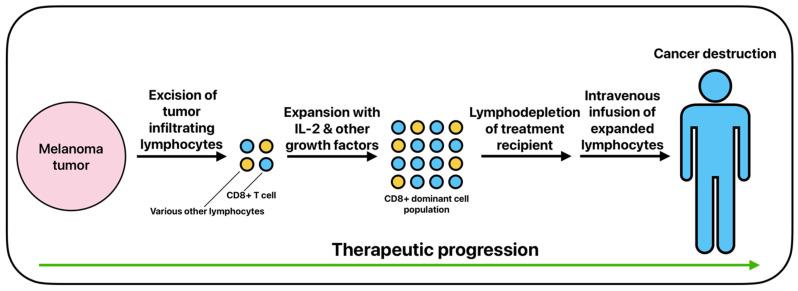
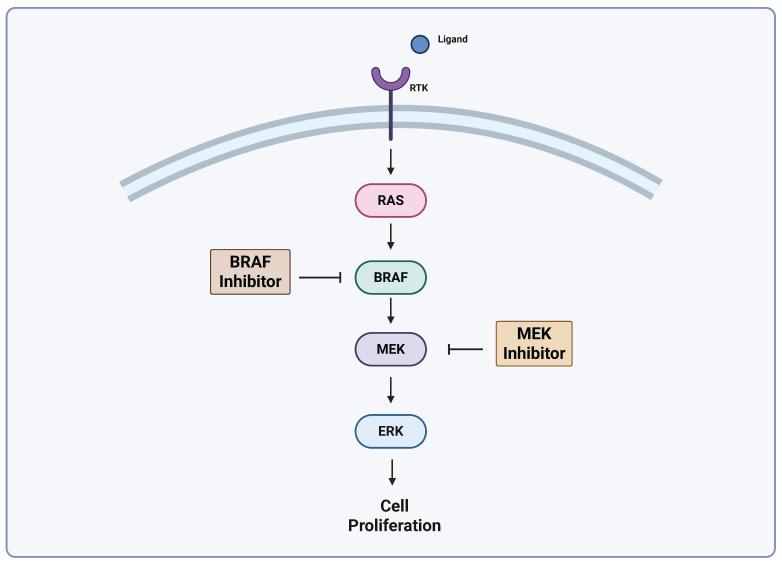
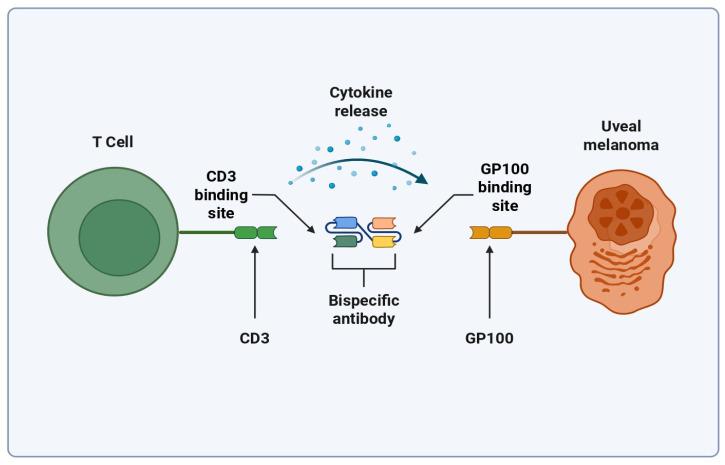
The incidence of melanoma is increasing globally, even in the wake of increased risk factor awareness and a growing body of advanced therapeutic options. It is apparent that the treatment of melanoma will remain a topic of worry in areas of the world under high ultraviolet exposure and areas that harbor individuals with fair skin phenotypes. In the wake of such concern, the potential of immunotherapy and various targeted therapeutics to treat late-stage melanoma is increasing. In addition to the growing arsenal of PD-1 and PD-L1 immune checkpoint inhibitors, other targeted therapies are being developed and tested to treat melanoma. BRAF/MEK inhibitors target a key proliferative pathway in melanoma, offering clinical benefit but limited durability. Next-generation agents and triplet therapy with immunotherapy aim to improve outcomes. Androgen receptor signaling may also modulate responses to both targeted and immune-based treatments. Bispecific T cell engagers assist with guiding the body's own T cells to tumors where they release toxins that kill the tumor cell. Personalized neoantigen vaccines target tumor-specific antigens by sequencing a patient's cancerous cells to create tailored vaccines that elicit a strong and specific immune response. Tumor-infiltrating lymphocytes are autologous lymphocytes reinfused back into the host that are showing efficacy in the treatment of advanced melanoma. Together, these therapies are advancing the arsenal of chemotherapeutic options that can be used to inhibit the progression of melanoma.
全球黑色素瘤的发病率正在上升,即便在人们对风险因素的认识有所提高以及先进治疗方案不断增加的情况下亦是如此。显然,在紫外线暴露量高的地区以及拥有皮肤白皙表型个体的地区,黑色素瘤的治疗仍将是一个令人担忧的问题。鉴于此担忧,免疫疗法和各种靶向疗法治疗晚期黑色素瘤的潜力正在增加。除了越来越多的PD-1和PD-L1免疫检查点抑制剂外,其他靶向疗法也正在研发和测试中,用于治疗黑色素瘤。BRAF/MEK抑制剂靶向黑色素瘤中的一条关键增殖途径,虽能带来临床益处,但疗效持续时间有限。新一代药物以及与免疫疗法的三联疗法旨在改善治疗效果。雄激素受体信号传导也可能调节对靶向治疗和基于免疫的治疗的反应。双特异性T细胞衔接器有助于引导机体自身的T细胞到达肿瘤部位,在那里它们释放毒素杀死肿瘤细胞。个性化新抗原疫苗通过对患者癌细胞进行测序来靶向肿瘤特异性抗原,从而制造出能引发强烈而特异性免疫反应的定制疫苗。肿瘤浸润淋巴细胞是重新回输到宿主的自体淋巴细胞,在晚期黑色素瘤的治疗中显示出疗效。总之,这些疗法正在增加可用于抑制黑色素瘤进展的化疗方案。

 Zotero 插件