
孕期吸入二氧化钛纳米颗粒会以与性别相关的方式改变大鼠胎盘的生物能量学。
Inhalation of titanium dioxide nanoparticles during gestation alters placental bioenergetics in a sex-related manner in rats.
作者信息
Seymore Talia, Guo Changjiang, Bellomo Alyssa, Herbert Julia, Laskin Debra, Gow Andrew, Stapleton Phoebe
机构信息
Department of Pharmacology and Toxicology, Ernest Mario School of Pharmacy, USA; Environmental and Occupational Health Sciences Institute, Rutgers University, Piscataway, NJ, USA.
Department of Pharmacology and Toxicology, Ernest Mario School of Pharmacy, USA.
出版信息
Placenta. 2025 Jun 27;168:168-176. doi: 10.1016/j.placenta.2025.06.018.
INTRODUCTION
Epidemiological and experimental studies support an association between exposure to particulate matter during pregnancy and the development of fetal growth restriction (FGR). The etiology of FGR is often attributed to poor nutrient delivery. Glucose is the primary energy substrate for fetal growth and an important energy source for placental tissue function; therefore, the health of the feto-placental unit depends on sufficient delivery of this nutrient to the tissue. Preeclampsia and FGR are associated with altered placental metabolism; moreover, the underlying causes and progression of these pathologies are influenced by fetal sex. The goal of this study was to investigate sex-related metabolic changes in the placenta after gestational exposure to particulate matter.
METHODS
Sprague Dawley rats were exposed to nano-titanium dioxide (nano-TiO) aerosols throughout pregnancy [gestational day (GD) 6-GD20]. For these studies, we developed a novel precision-cut placenta slice model for analysis of tissue bioenergetics using an Agilent Seahorse Analyzer.
RESULTS
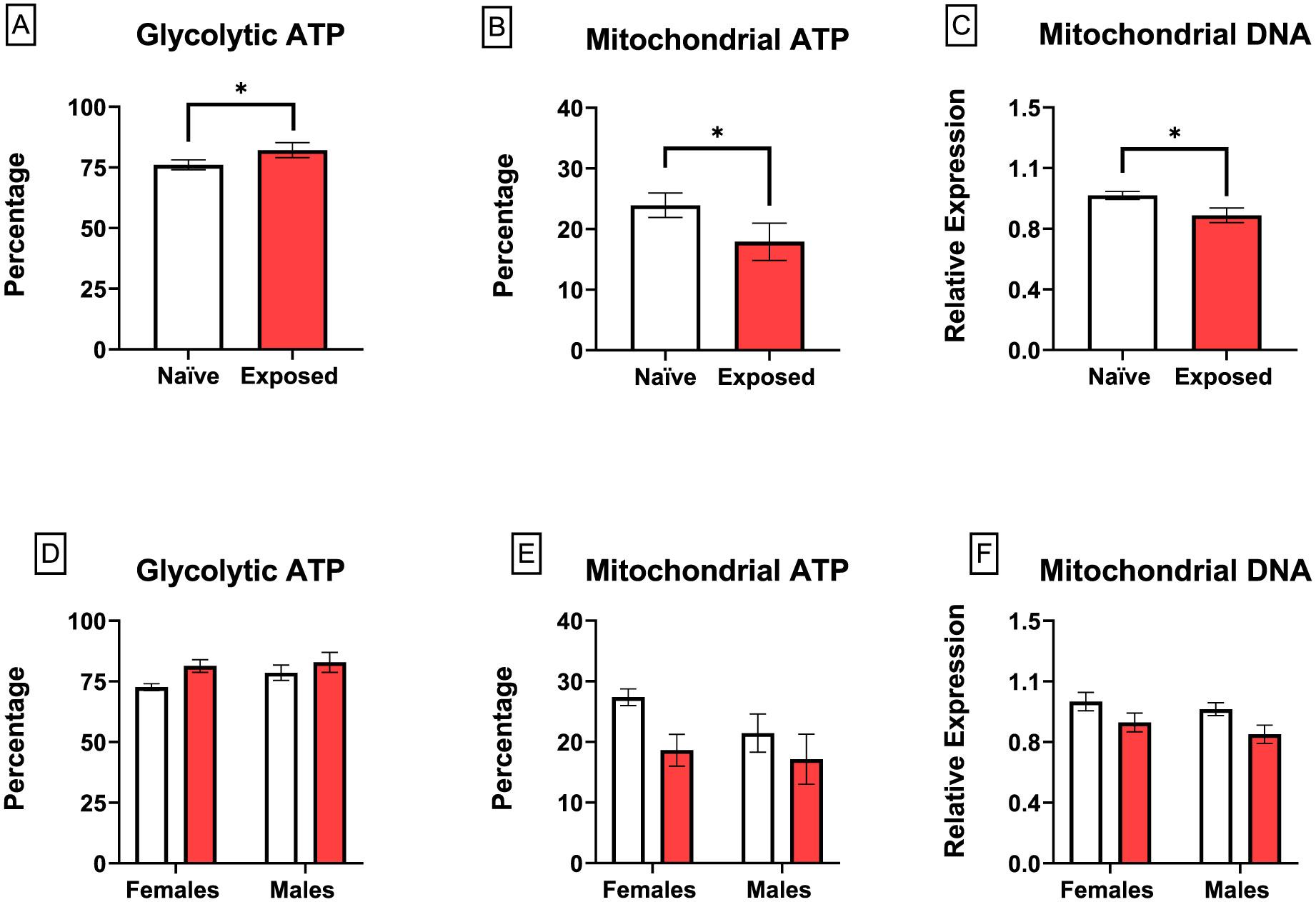
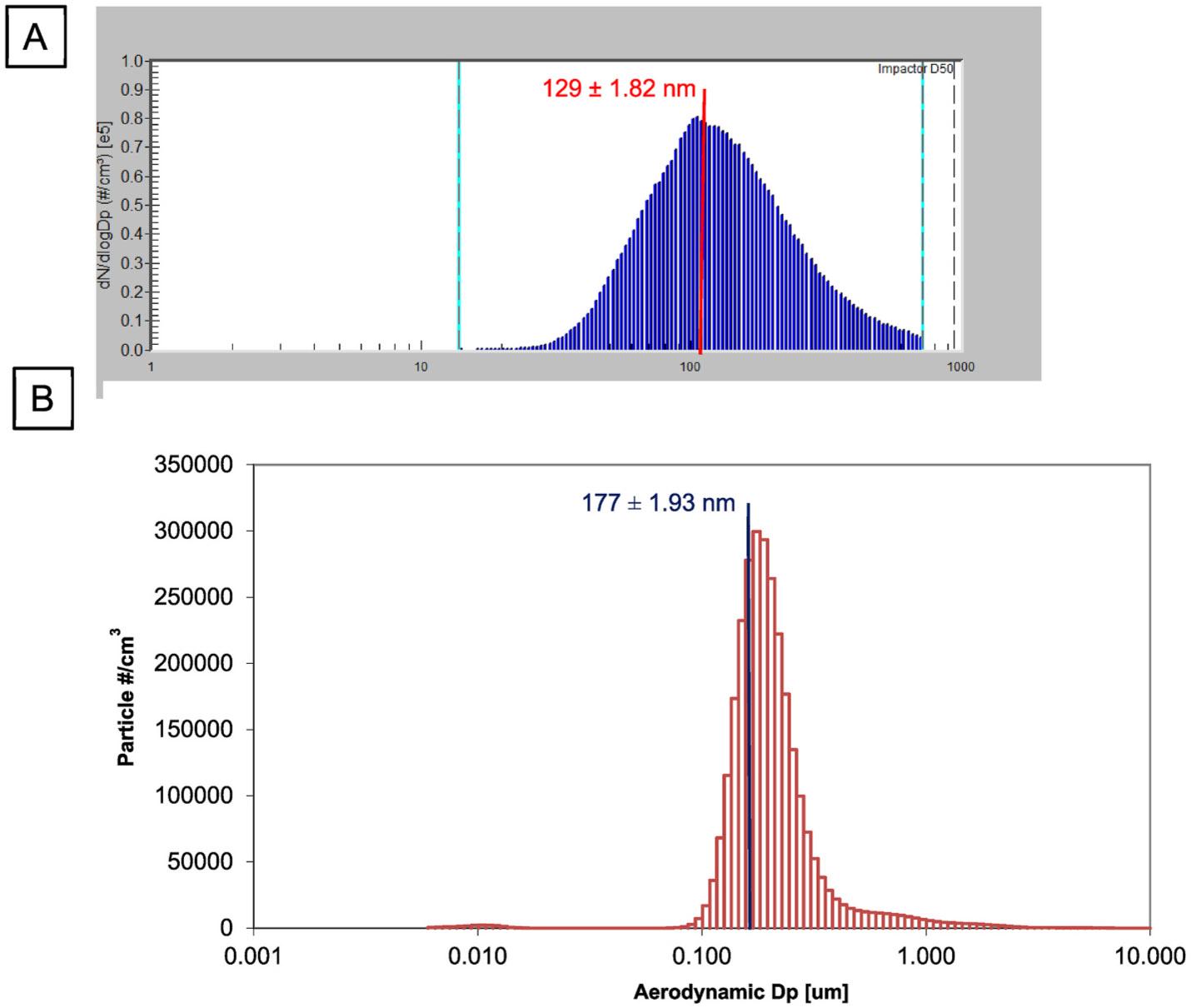
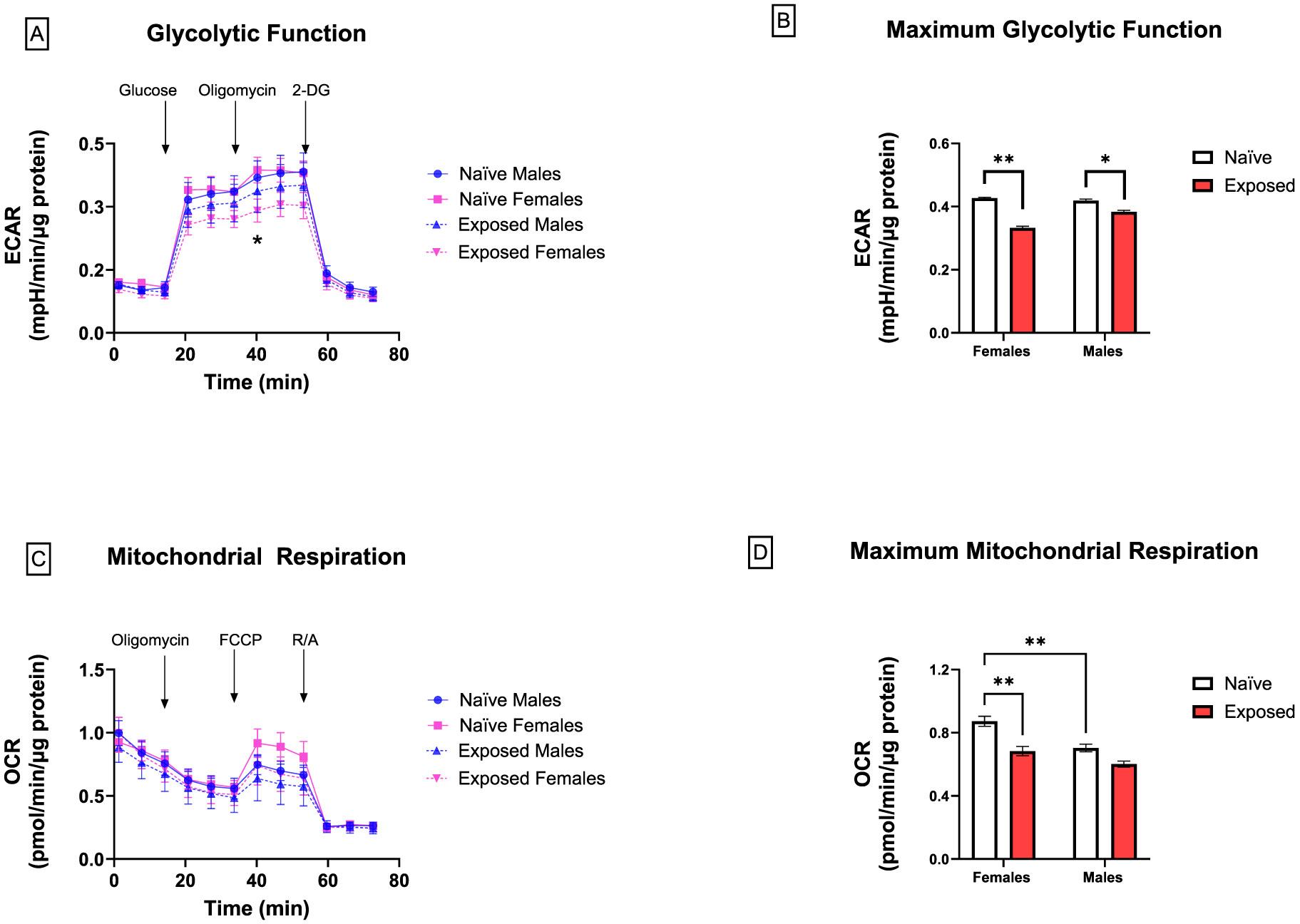
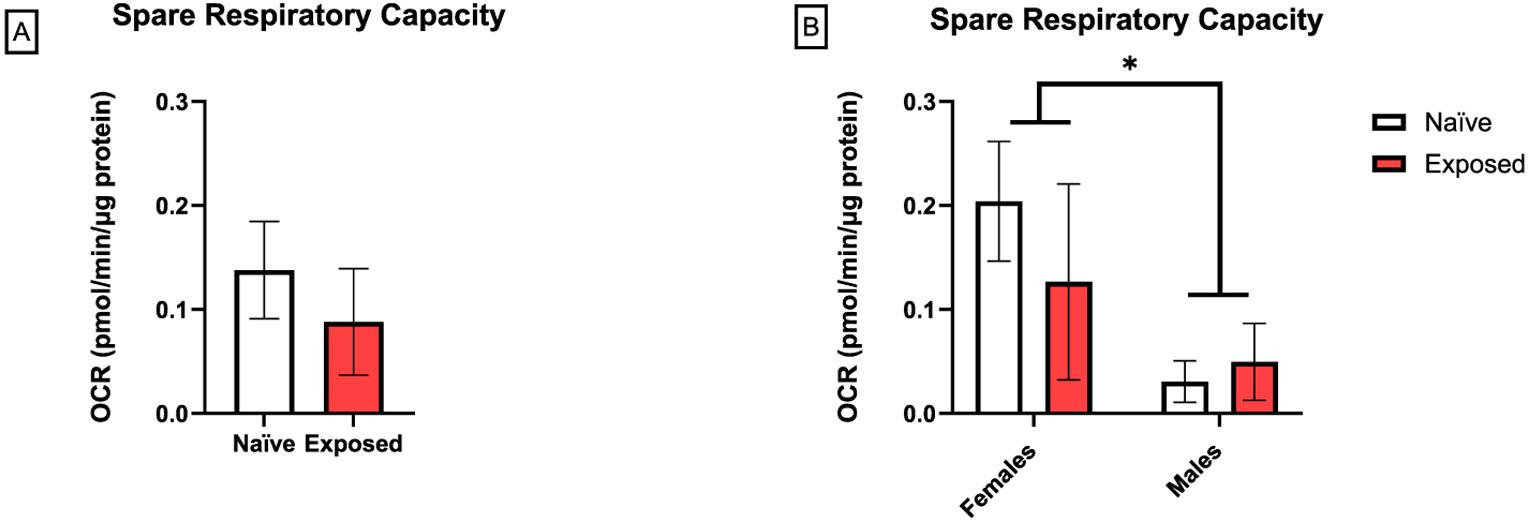
Exposure of pregnant rats to nano-TiO aerosols (9.74 ± 0.11 mg/m) resulted in an overall decrease in placental metabolic function with an increased reliance on glycolytic ATP production. Reductions in maximum metabolic function were sex-related, revealing that female placentas are more sensitive to environmentally induced metabolic changes.
DISCUSSION
These data show that there are sex-related mechanisms within the glycolytic pathway for increased glucose utilization. As increased metabolism of glucose by the placenta can reduce fetal glucose delivery, it may contribute to adverse effects on fetal growth induced by nano-TiO.
引言
流行病学和实验研究支持孕期接触颗粒物与胎儿生长受限(FGR)的发生之间存在关联。FGR的病因通常归因于营养物质输送不足。葡萄糖是胎儿生长的主要能量底物,也是胎盘组织功能的重要能量来源;因此,胎儿-胎盘单位的健康取决于这种营养物质向组织的充足输送。子痫前期和FGR与胎盘代谢改变有关;此外,这些病理状况的潜在原因和进展受胎儿性别的影响。本研究的目的是调查孕期接触颗粒物后胎盘内与性别相关的代谢变化。
方法
将斯普拉格-道利大鼠在整个孕期(妊娠第6天至第20天)暴露于纳米二氧化钛(nano-TiO)气溶胶中。对于这些研究,我们开发了一种新型的精密切割胎盘切片模型,使用安捷伦海马分析仪分析组织生物能量学。
结果
将怀孕大鼠暴露于nano-TiO气溶胶(9.74±0.11mg/m)中导致胎盘代谢功能总体下降,对糖酵解ATP产生的依赖性增加。最大代谢功能的降低与性别相关,表明雌性胎盘对环境诱导的代谢变化更敏感。
讨论
这些数据表明,糖酵解途径中存在与性别相关的机制,可增加葡萄糖利用。由于胎盘对葡萄糖代谢的增加会减少胎儿的葡萄糖输送,这可能会导致nano-TiO对胎儿生长产生不利影响。

 Zotero 插件