
神经退行性疾病中的病毒载体:免疫反应与治疗应用
Viral vectors in neurodegenerative diseases: immune responses and therapeutic applications.
作者信息
Wang Yifei, Mu Siyu, Liu Fangxi
机构信息
Department of Neurology, The First Affiliated Hospital of China Medical University, Shenyang, China.
Key Laboratory of Neurological Disease Big Data of Liaoning Province, Shenyang, China.
出版信息
Front Neurol. 2025 Jun 18;16:1603125. doi: 10.3389/fneur.2025.1603125. eCollection 2025.
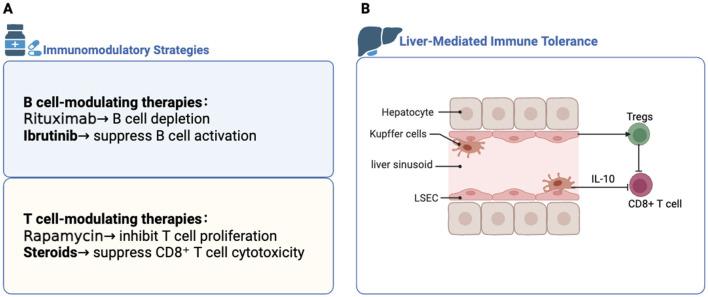
Gene transfer-based therapies utilizing viral vectors have undergone remarkable advancements and hold significant promise in addressing neurodegenerative diseases in recent years, whose potential mechanisms include replacing or silencing pathogenic genes and delivering neurotrophic factors. Current preclinical research focuses on developing novel strategies in gene modification to combat neurodegenerative disorders. Numerous clinical trials involving viral vectors in the nervous system are either on-going or completed. Despite these advancements, progress in this field remains constrained by immune responses triggered by viral vectors, which can be triggered through innate and adaptive pathways. The present review will focus on the advances in the development and application of viral vector-based gene therapies for neurodegenerative diseases and summarize the related immune responses, aiming to provide a forward-looking perspective for this emerging arena.
近年来,利用病毒载体的基因转移疗法取得了显著进展,在治疗神经退行性疾病方面具有巨大潜力,其潜在机制包括替换或沉默致病基因以及递送神经营养因子。目前的临床前研究集中在开发基因修饰的新策略以对抗神经退行性疾病。许多涉及病毒载体在神经系统中的临床试验正在进行或已经完成。尽管取得了这些进展,但该领域的进展仍受到病毒载体引发的免疫反应的限制,这种免疫反应可通过先天和适应性途径触发。本综述将聚焦于基于病毒载体的神经退行性疾病基因治疗的开发和应用进展,并总结相关免疫反应,旨在为这个新兴领域提供前瞻性视角。

 Zotero 插件