
冠状病毒3CL蛋白酶:揭示其复杂的宿主相互作用及在病毒发病机制中的核心作用。
The coronavirus 3CL protease: Unveiling its complex host interactions and central role in viral pathogenesis.
作者信息
Zhang Yecheng, Ji Xinlei, Huang Dan, Lu Gen, Chen Xinwen
机构信息
Department of Respiratory, Guangzhou Women and Children's Medical Center, Guangzhou Medical University, Guangzhou, 510623, China.
Guangzhou National Laboratory, Guangzhou, 510005, China.
出版信息
Virol Sin. 2025 Aug;40(4):509-519. doi: 10.1016/j.virs.2025.07.002. Epub 2025 Jul 7.
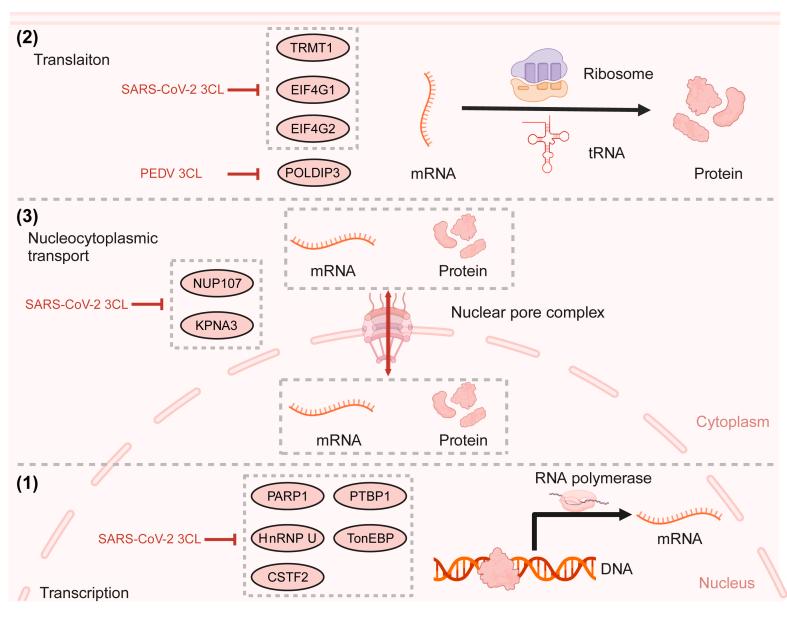
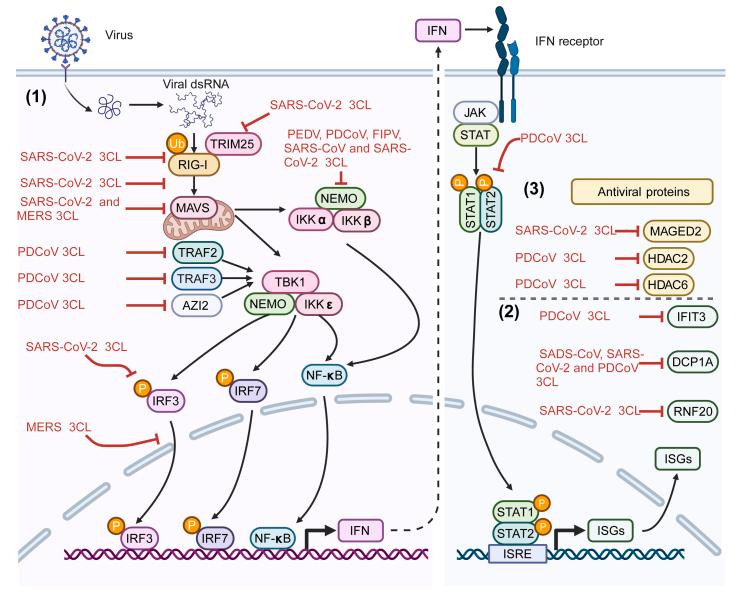
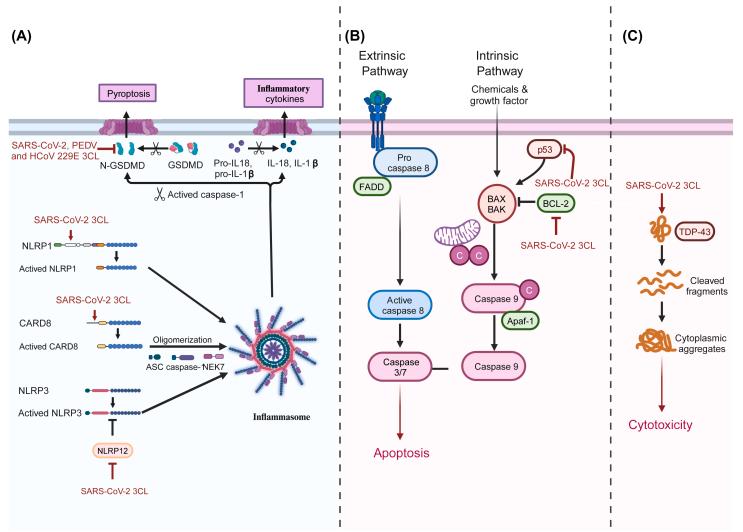
The 3CL protease, a highly conserved enzyme in the coronavirus, plays a crucial role in the viral life cycle by facilitating viral replication through precise cleavage of polyproteins. Beyond its proteolytic function, the 3CL protease also engages in intricate interactions with host cell proteins involved in critical cellular processes such as transcription, translation, and nuclear-cytoplasmic transport, effectively hijacking cellular machinery to promote viral replication. Additionally, it disrupts innate immune signaling pathways, suppresses interferon activity and cleaves antiviral proteins. Furthermore, it modulates host cell death pathways including pyroptosis and apoptosis, interferes with autophagy and inhibits stress granule formation to maintain viral infection and exacerbate viral pathogenesis. This review highlights the molecular mechanisms by which the 3CL protease orchestrates virus-host interactions, emphasizing its central role in coronavirus pathogenesis and highlighting potential therapeutic targets for future interventions.
3CL蛋白酶是冠状病毒中一种高度保守的酶,通过精确切割多聚蛋白促进病毒复制,在病毒生命周期中发挥关键作用。除了其蛋白水解功能外,3CL蛋白酶还与参与转录、翻译和核质运输等关键细胞过程的宿主细胞蛋白进行复杂的相互作用,有效地劫持细胞机制以促进病毒复制。此外,它还破坏先天免疫信号通路,抑制干扰素活性并切割抗病毒蛋白。此外,它还调节宿主细胞死亡途径,包括焦亡和凋亡,干扰自噬并抑制应激颗粒形成,以维持病毒感染并加剧病毒发病机制。本综述重点介绍了3CL蛋白酶协调病毒与宿主相互作用的分子机制,强调了其在冠状病毒发病机制中的核心作用,并突出了未来干预的潜在治疗靶点。


 Zotero 插件