
环糊精修饰并负载蜂胶的纤维素纳米晶体的抗癌和抗菌活性
Anticancer and antibacterial activity of the cellulose nanocrystals modified by cyclodextrin and loaded by propolis.
作者信息
Akhondi Maryam, Korrani Zahra Sotoudehnia, Mohammad-Sadeghipour Maryam, Bahramabadi Reza, Mohamadi Maryam
机构信息
Occupational Safety and Health Research Center, NICICO, World Safety Organization, Rafsanjan University of Medical Sciences, Rafsanjan, Iran.
Department of Occupational Health Engineering, Sirjan School of Medical Science, Sirjan, Iran.
出版信息
Sci Rep. 2025 Jul 10;15(1):24799. doi: 10.1038/s41598-025-08622-x.
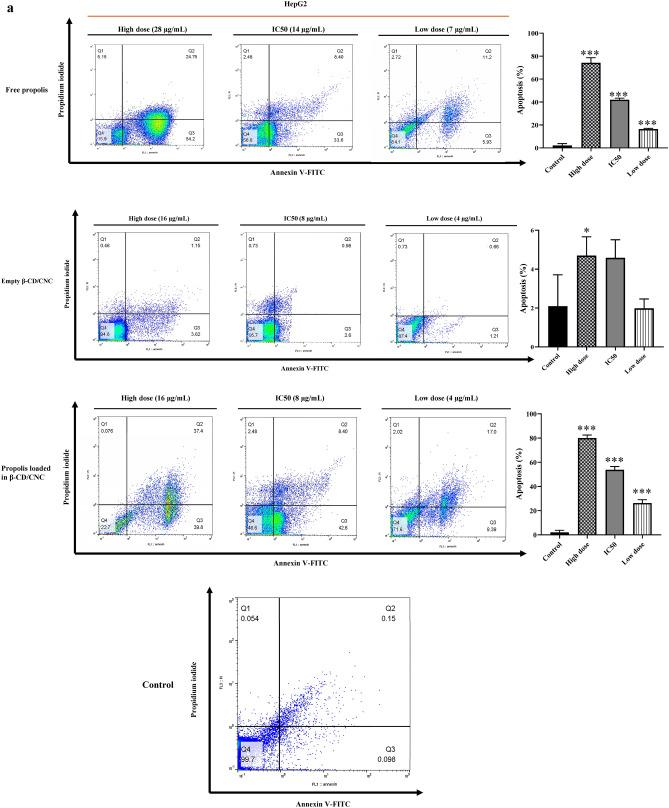
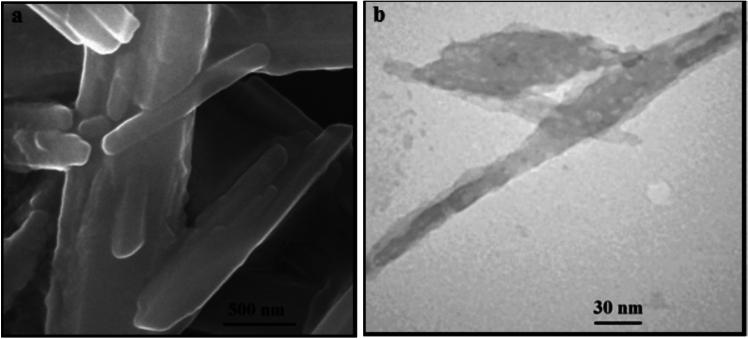
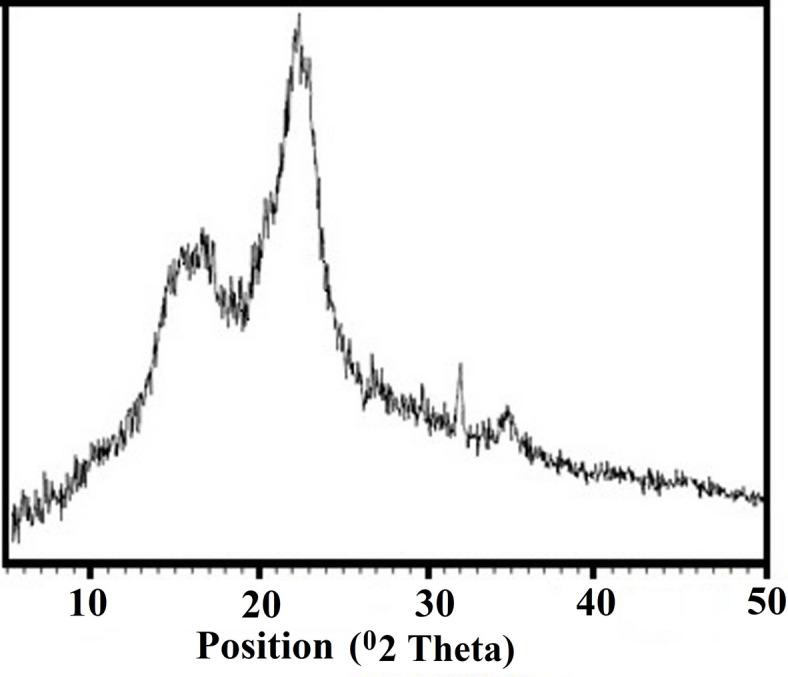
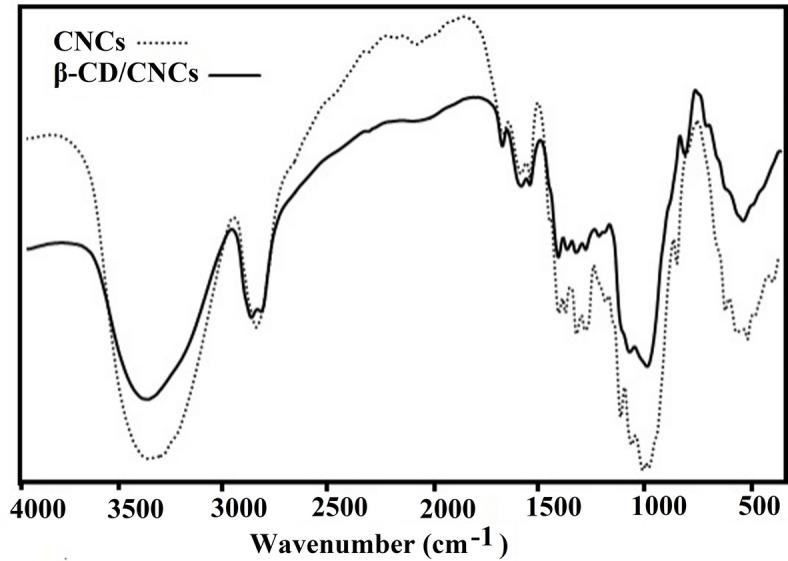
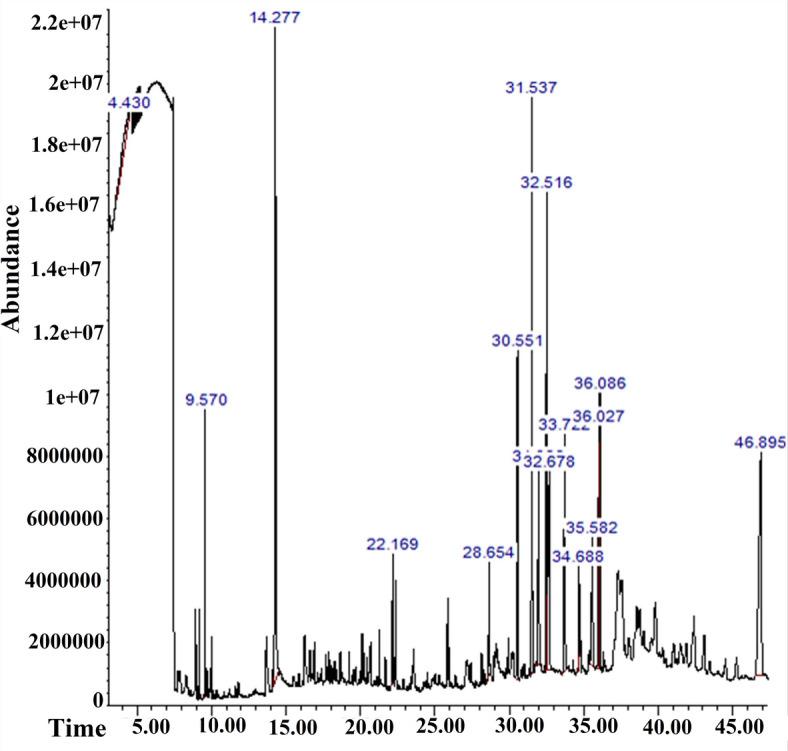
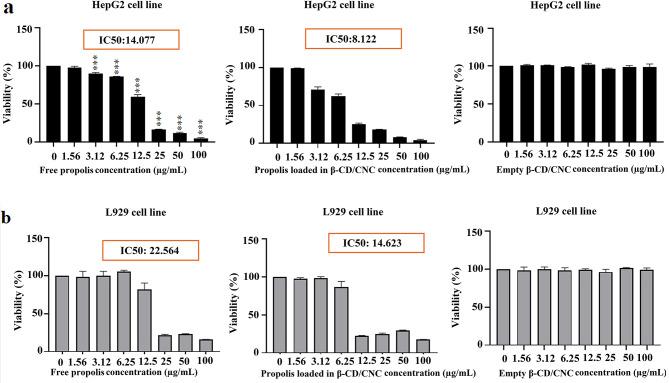
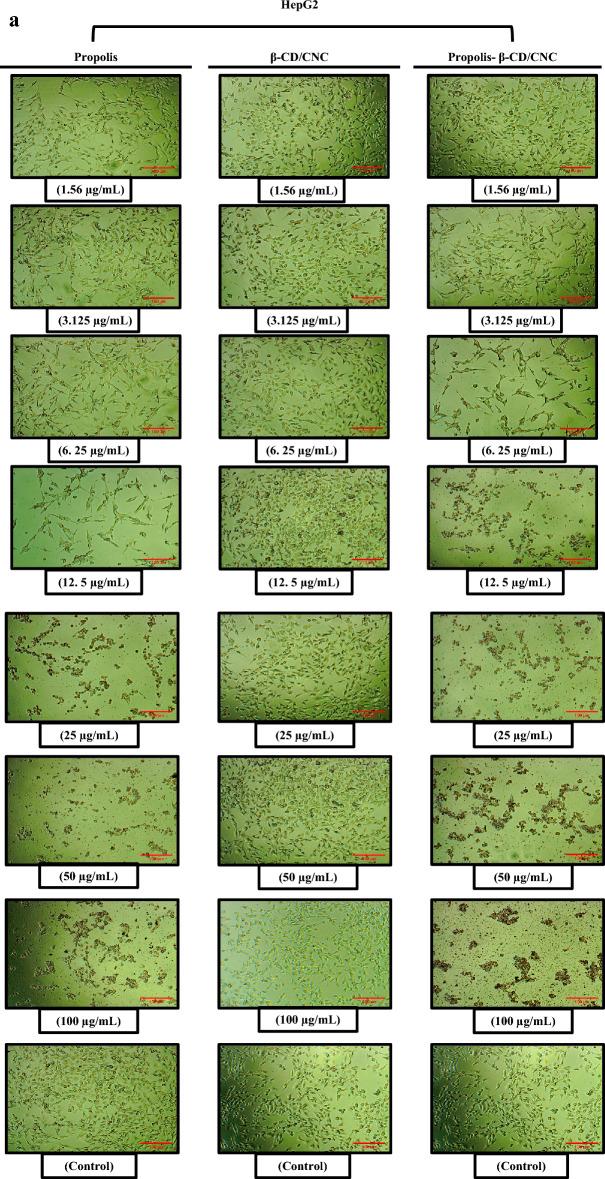
Nanocrystals have great potential as improved drug carriers due to their low cost, high biodegradability, and biocompatibility. Thus, cellulose nanocrystals (CNCs) are particularly suitable for enhanced antibacterial and anticancer therapy. In this research, we report the green synthesis of β-cyclodextrin-functionalized cellulose nanocrystals (β-CD/CNCs) from pistachio shells as a carrier material for propolis, as well as the determination of its antibacterial and anticancer properties. The β-CD/CNCs were characterized using Fourier transform infrared (FTIR) spectroscopy, field emission scanning electron microscopy (FE-SEM), transmission electron microscopy (TEM), and X-ray diffraction (XRD). FTIR analyses indicated the successful attachment of β-cyclodextrin to the cellulose nanocrystals. FE-SEM and TEM images of β-CD/CNCs exhibited rod-shaped morphology, while the XRD pattern revealed the crystal structure of β-CD/CNCs. The chemical composition of the propolis extract was investigated using GC-MS analysis. The incorporation of the propolis extract into the β-CD/CNCs was achieved with 10% encapsulation using the differential weighing method. Subsequently, the antibacterial and anticancer properties of the propolis-loaded β-CD/CNCs were determined. The antibacterial activity was assessed using the disk diffusion method (Kirby-Bauer method) and minimum inhibitory concentration (MIC) determination by the dilution method (DM). The anticancer properties were evaluated using MTT and flow cytometry assays on two liver cell lines (HepG2 and L929). The results demonstrated that the propolis loaded in β-CD/CNCs exhibited better antibacterial and anticancer activity than free propolis. Therefore, β-CD/CNCs can be suggested as a suitable carrier for propolis.
由于成本低、生物降解性高和生物相容性好,纳米晶体作为改良药物载体具有巨大潜力。因此,纤维素纳米晶体(CNCs)特别适用于增强抗菌和抗癌治疗。在本研究中,我们报告了以开心果壳为原料绿色合成β-环糊精功能化纤维素纳米晶体(β-CD/CNCs)作为蜂胶的载体材料,并测定了其抗菌和抗癌性能。使用傅里叶变换红外(FTIR)光谱、场发射扫描电子显微镜(FE-SEM)、透射电子显微镜(TEM)和X射线衍射(XRD)对β-CD/CNCs进行了表征。FTIR分析表明β-环糊精成功附着在纤维素纳米晶体上。β-CD/CNCs的FE-SEM和TEM图像显示出棒状形态,而XRD图谱揭示了β-CD/CNCs的晶体结构。使用GC-MS分析研究了蜂胶提取物的化学成分。采用差重法以10%的包封率将蜂胶提取物掺入β-CD/CNCs中。随后,测定了负载蜂胶的β-CD/CNCs的抗菌和抗癌性能。使用纸片扩散法(Kirby-Bauer法)评估抗菌活性,并通过稀释法(DM)测定最低抑菌浓度(MIC)。使用MTT和流式细胞术检测对两种肝癌细胞系(HepG2和L929)评估抗癌性能。结果表明,负载在β-CD/CNCs中的蜂胶比游离蜂胶表现出更好的抗菌和抗癌活性。因此,β-CD/CNCs可被认为是蜂胶的合适载体。

 Zotero 插件