
运动延缓衰老:来自端粒和端粒酶的证据——随机对照试验的系统评价和荟萃分析
Exercise delays aging: evidence from telomeres and telomerase -a systematic review and meta-analysis of randomized controlled trials.
作者信息
Sun Liang, Zhang Tingran, Luo Lanfang, Yang Yi, Wang Chuanqiushui, Luo Jiong
机构信息
School of Physical Education, Southwest University, Chongqing, China.
School of Physical Education, Chongqing Mining Engineering School, Chongqing, China.
出版信息
Front Physiol. 2025 Jun 26;16:1627292. doi: 10.3389/fphys.2025.1627292. eCollection 2025.
OBJECTIVE
To systematically evaluate the regulatory effects of exercise intervention on telomere length (TL) and telomerase activity (TA), and to provide evidence for formulating precise exercise prescriptions based on telomere protection.
METHODS
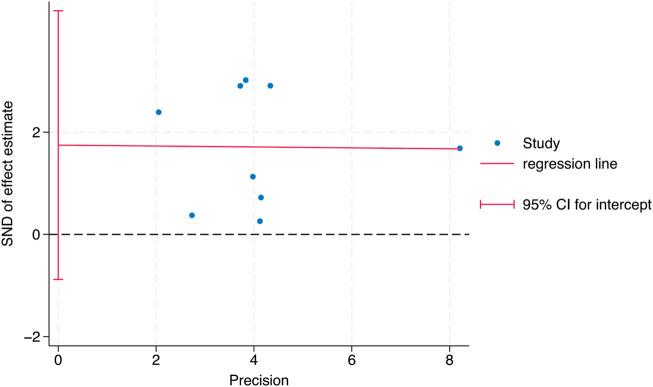
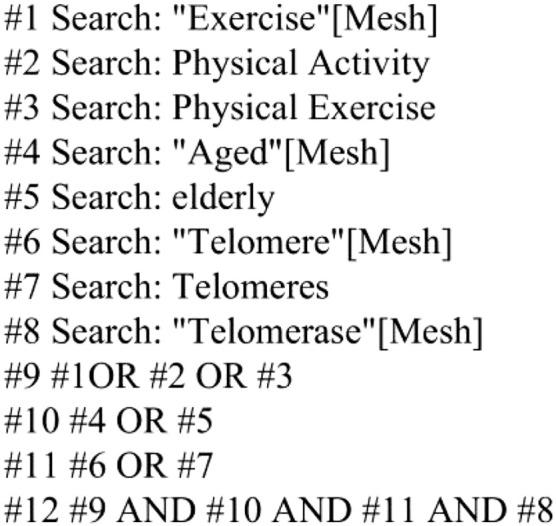
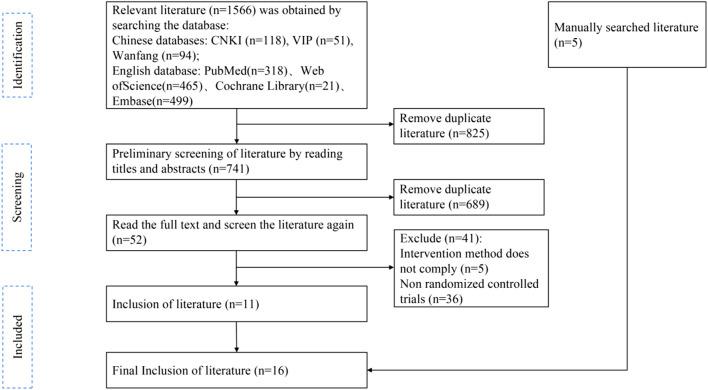
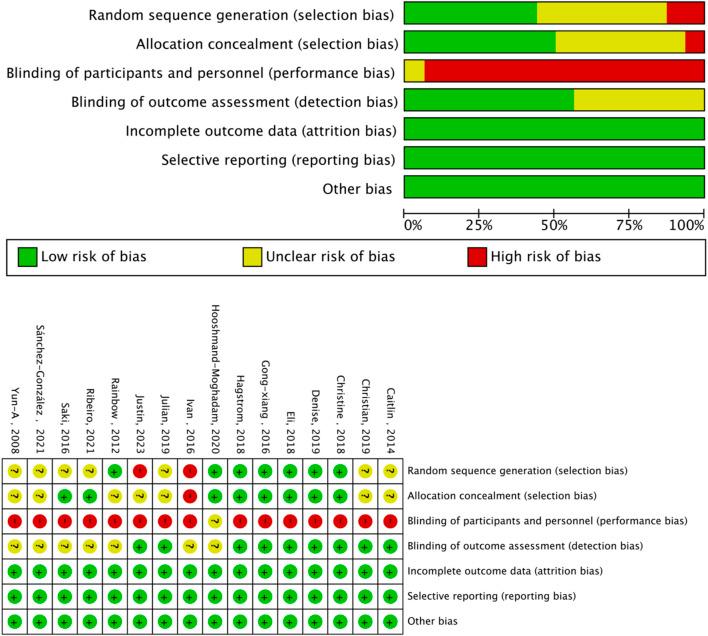
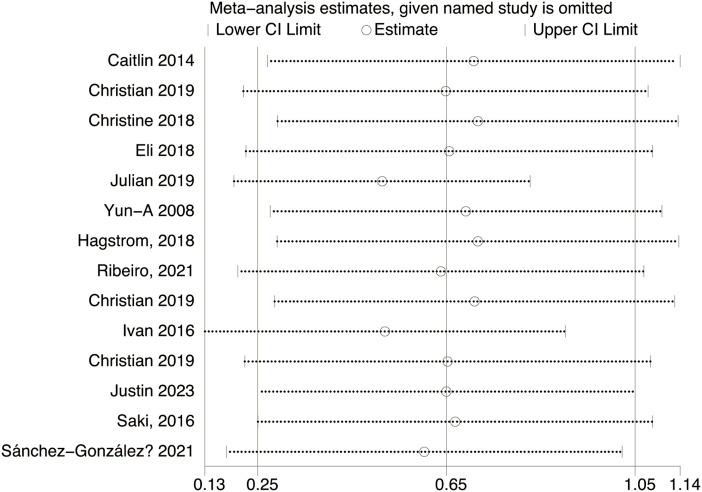
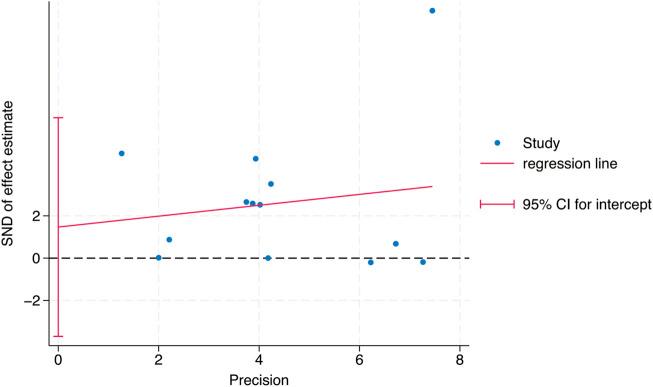
Databases including China National Knowledge Infrastructure, Wanfang, VIP, PubMed, Web of Science, Cochrane Library, and Embase were searched to collect randomized controlled trials (RCTs) regarding the regulation of TL and TA by exercise intervention up to February 2025. The Cochrane risk assessment tool was used to evaluate the quality of the included literature. Meta-analysis, heterogeneity test, subgroup analysis, sensitivity analysis, univariate meta-regression analysis, and publication bias test were conducted using Review Manager 5.3 and Stata 18.0 software.
RESULTS
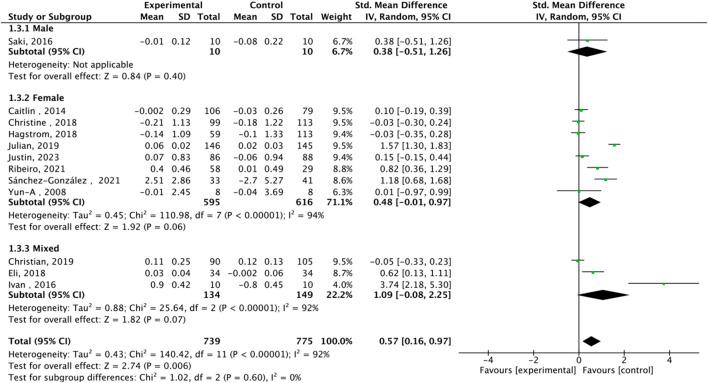
Exercise intervention significantly maintained TL (SMD = 0.59, 95% CI: 0.14-1.06, P = 0.01) and enhanced TA (SMD = 0.35, 95% CI: 0.20-0.51, P < 0.00001). A single study suggests high-intensity interval training (HIIT) may maintain TL (SMD = 0.66, P = 0.01), but this requires further validation due to limited evidence. Aerobic exercise (AE) consistently increased TA (SMD = 0.33, P = 0.0001), while resistance exercise (RE) showed non-significant trends (SMD = 0.16, P = 0.43). Subgroup analysis by sex showed a trend toward greater TL maintenance in females (SMD = 0.48, P = 0.06) compared to males (SMD = 0.38, P = 0.40). An exercise duration of ≥16 weeks was necessary for significant effects. High heterogeneity (I2 = 92% for TL) was partially explained by measurement methods, age, and baseline health.
CONCLUSION
Exercise maintains TL and enhances TA, potentially contributing to delayed aging. AE shows robust effects on TA, while HIIT and RE require further research due to limited studies. Future studies should standardize measurement methods and explore confounders like diet and genetics.
SYSTEMATIC REVIEW REGISTRATION
PROSPERO, identifier CRD420251006569.
目的
系统评价运动干预对端粒长度(TL)和端粒酶活性(TA)的调节作用,为基于端粒保护制定精准运动处方提供依据。
方法
检索中国知网、万方、维普、PubMed、Web of Science、Cochrane图书馆和Embase等数据库,收集截至2025年2月关于运动干预对TL和TA调节作用的随机对照试验(RCT)。采用Cochrane风险评估工具评价纳入文献的质量。使用Review Manager 5.3和Stata 18.0软件进行Meta分析、异质性检验、亚组分析、敏感性分析、单变量Meta回归分析和发表偏倚检验。
结果
运动干预显著维持TL(标准化均数差[SMD]=0.59,95%置信区间[CI]:0.14 - 1.06,P = 0.01)并增强TA(SMD = 0.35,95% CI:0.20 - 0.51,P < 0.00001)。一项单独研究表明,高强度间歇训练(HIIT)可能维持TL(SMD = 0.66,P = 0.01),但由于证据有限,这需要进一步验证。有氧运动(AE)持续增加TA(SMD = 0.33,P = 0.0001),而抗阻运动(RE)显示无显著趋势(SMD = 0.16,P = 0.43)。按性别进行的亚组分析显示,与男性(SMD = 0.38,P = 0.40)相比,女性在维持TL方面有更大趋势(SMD = 0.48,P = 0.06)。运动持续时间≥16周才有显著效果。高异质性(TL的I² = 92%)部分可由测量方法、年龄和基线健康状况解释。
结论
运动维持TL并增强TA,可能有助于延缓衰老。AE对TA显示出显著作用,而HIIT和RE由于研究有限需要进一步研究。未来研究应规范测量方法,并探索饮食和遗传等混杂因素。
系统评价注册
PROSPERO,标识符CRD420251006569。



 Zotero 插件