
脑重塑、干细胞疗法的进展以及中风和脑衰老中的转化障碍。
Advances in brain remodeling, stem cell therapies, and translational barriers in stroke and brain aging.
作者信息
Capitanescu Bogdan, Hermann Dirk M, Surugiu Roxana, Guzman Raphael, Olaru Denissa Greta, Popa-Wagner Aurel
机构信息
Doctoral School, University of Medicine and Pharmacy Craiova, Craiova, Romania.
Chair of Vascular Neurology, Dementia and Ageing, University Hospital Essen, University of Duisburg-Essen, 45147, Essen, Germany.
出版信息
Biogerontology. 2025 Jul 11;26(4):143. doi: 10.1007/s10522-025-10282-3.
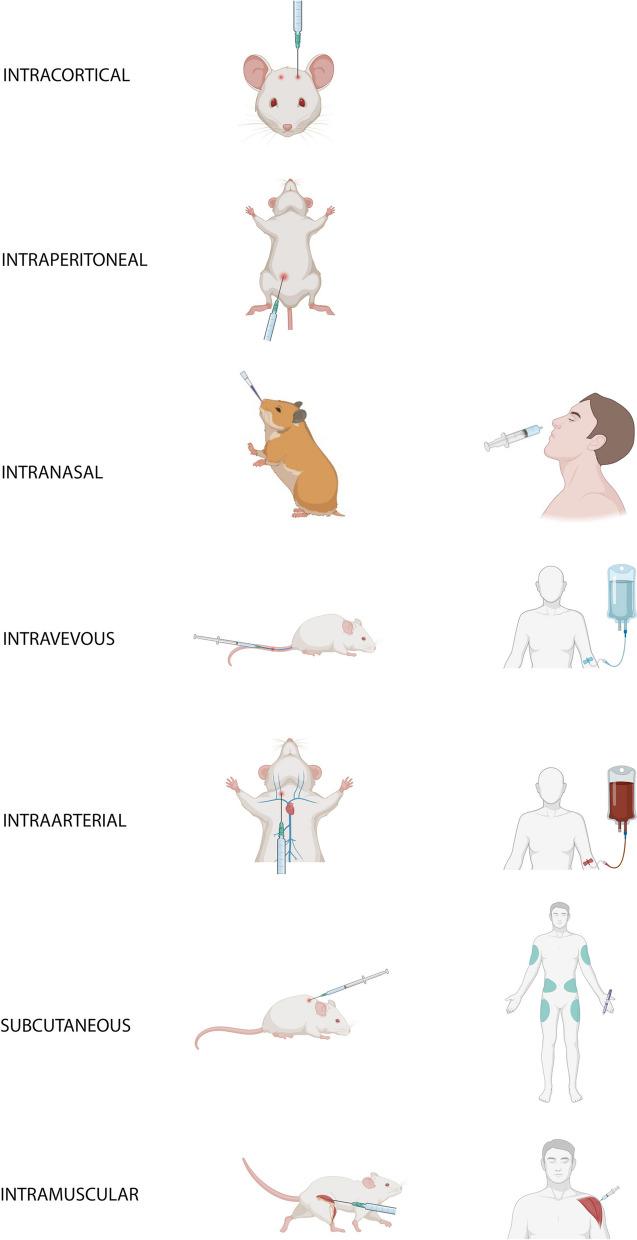
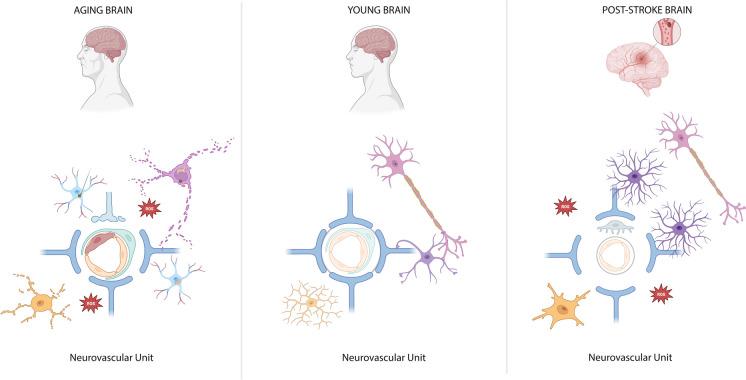
As the brain ages, it undergoes a series of molecular and cellular changes that affect its structure and function, contributing to age-related disorders-particularly cerebrovascular diseases and diminished regenerative capacity following ischemic injury. Despite significant research efforts, effective therapies for brain rewiring and functional recovery after cerebral ischemia remain elusive. A deeper understanding of the cellular and molecular mechanisms involved in the post-acute phase of stroke may help identify novel therapeutic strategies for age-associated vascular pathologies. Recent advances have highlighted several promising areas, including epigenetic modifications of the vascular wall, blood-brain barrier remodeling, cell- and subcellular-based therapies, and innovative delivery methods. However, despite encouraging preclinical findings, clinical trials have produced mixed results regarding the safety and efficacy of cell-based interventions. These outcomes suggest that successful stroke therapies in aging populations may require a multistage, integrative approach.
随着大脑衰老,它会经历一系列分子和细胞变化,这些变化会影响其结构和功能,导致与年龄相关的疾病,尤其是脑血管疾病以及缺血性损伤后再生能力的下降。尽管进行了大量研究,但针对脑缺血后大脑重新布线和功能恢复的有效疗法仍然难以捉摸。深入了解中风急性期后所涉及的细胞和分子机制,可能有助于确定针对年龄相关血管病变的新型治疗策略。最近的进展突出了几个有前景的领域,包括血管壁的表观遗传修饰、血脑屏障重塑、基于细胞和亚细胞的疗法以及创新的给药方法。然而,尽管临床前研究结果令人鼓舞,但关于基于细胞的干预措施的安全性和有效性方面临床试验结果却喜忧参半。这些结果表明,在老年人群中成功的中风治疗可能需要一种多阶段的综合方法。
 Zotero 插件