
洛匹那韦/利托那韦对软骨的保护作用:HIF-1α/SOX9/IL-1β通路的体外和计算机模拟研究
Cartilage-protective effects of lopinavir/ritonavir: in vitro and in silico exploration of the HIF-1α/SOX9/IL-1β pathway.
作者信息
Ozbek Hanefi, Yilmaz Ibrahim, Akyuz Aslı, Pehlivanoglu Suray, Sirin Duygu Yasar, Albayrak Mehmet, Yilmaz Omer Faruk
机构信息
Department of Medical Pharmacology, Usak University School of Medicine, Usak, 64200, Turkey.
Unit of Pharmacovigilance, Republic of Turkey, Ministry of Health, Dr. Ismail Fehmi Cumalioglu City Hospital, Tekirdag, 59020, Turkey.
出版信息
J Orthop Surg Res. 2025 Jul 11;20(1):642. doi: 10.1186/s13018-025-06068-5.
BACKGROUND
This study aimed to investigate the effects of Lopinavir/Ritonavir (Lop/r) on chondrocyte structure and extracellular matrix (ECM) integrity, as well as its impact on key proteins involved in anabolic and catabolic pathways, using both in vitro and in silico approaches.
METHODS
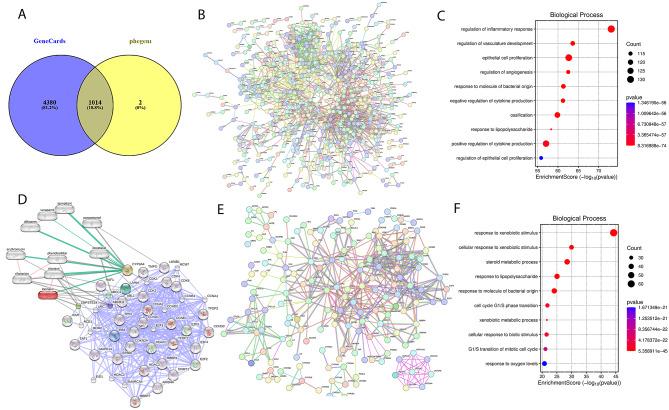
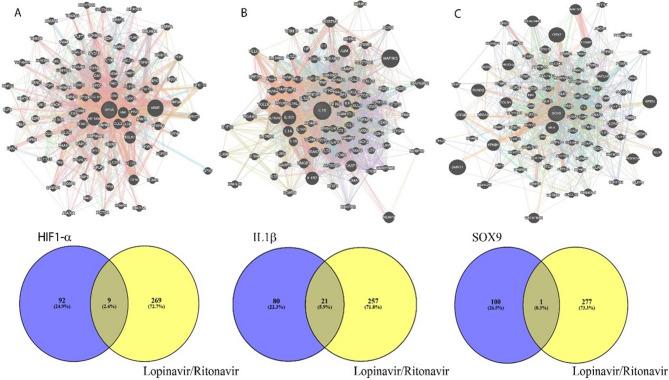
Drug-target interaction networks were constructed through bioinformatics analyses, and molecular docking was performed. Human primary chondrocytes were treated with Lop/r, and untreated cells served as controls. Cell viability, proliferation, and protein expression levels were assessed using standard in vitro techniques, including spectrophotometric assays and Western blotting.
RESULTS
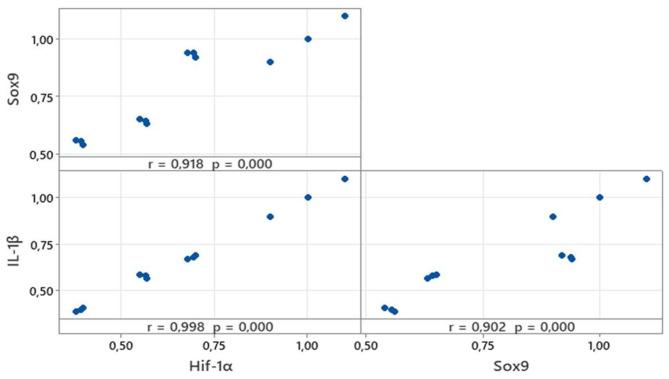
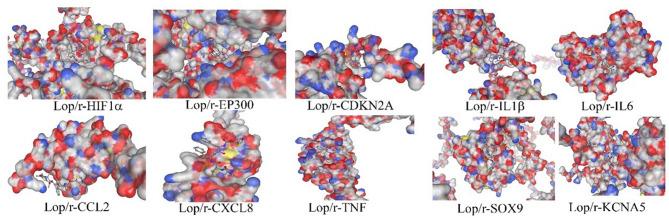
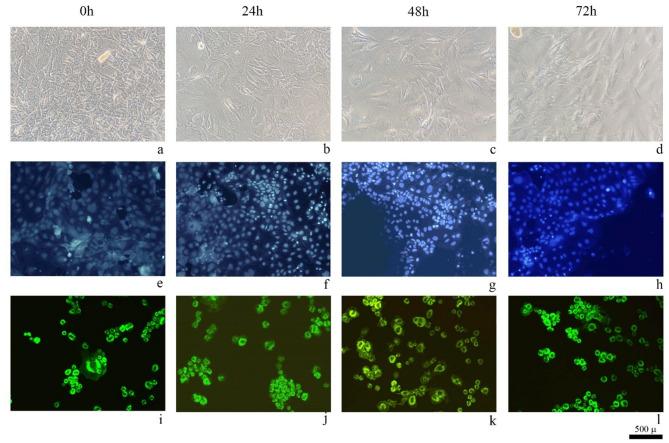
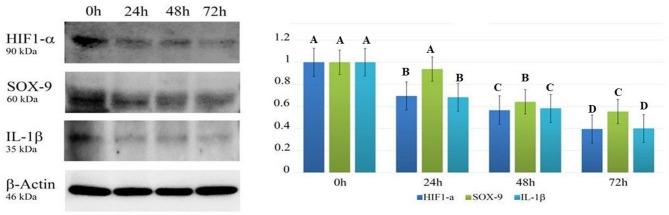
Molecular docking analyses revealed strong binding affinities between Lop/r and osteoarthritis-related targets such as HIF-1α, EP300, TNF, IL-6, KCNA5, and IL-1β, suggesting modulation of hypoxia, inflammatory, and epigenetic pathways. In vitro, Lop/r did not alter chondrocyte morphology or ECM structure and was not cytotoxic ( < 0.05). However, it significantly reduced the expression of critical proteins including HIF-1α, SOX9, and IL-1β ( < 0.05).
CONCLUSION
These findings suggest that Lop/r may exert regulatory effects on cartilage-related molecular pathways and holds promise as a repurposed therapeutic agent for osteoarthritis. Further studies are warranted to confirm its potential in clinical applications.
SUPPLEMENTARY INFORMATION
The online version contains supplementary material available at 10.1186/s13018-025-06068-5.
背景
本研究旨在采用体外和计算机模拟方法,研究洛匹那韦/利托那韦(Lop/r)对软骨细胞结构和细胞外基质(ECM)完整性的影响,及其对合成代谢和分解代谢途径中关键蛋白的影响。
方法
通过生物信息学分析构建药物-靶点相互作用网络,并进行分子对接。用Lop/r处理人原代软骨细胞,未处理的细胞作为对照。使用包括分光光度法和蛋白质印迹法在内的标准体外技术评估细胞活力、增殖和蛋白质表达水平。
结果
分子对接分析显示Lop/r与骨关节炎相关靶点如HIF-1α、EP300、TNF、IL-6、KCNA5和IL-1β之间具有强结合亲和力,提示其对缺氧、炎症和表观遗传途径有调节作用。在体外,Lop/r未改变软骨细胞形态或ECM结构,且无细胞毒性(P<0.05)。然而,它显著降低了包括HIF-1α、SOX9和IL-1β在内的关键蛋白的表达(P<0.05)。
结论
这些发现表明Lop/r可能对软骨相关分子途径发挥调节作用,有望成为一种用于骨关节炎的重新利用的治疗药物。有必要进一步研究以证实其在临床应用中的潜力。
补充信息
在线版本包含可在10.1186/s13018-025-06068-5获取的补充材料。

 Zotero 插件