
母体肥胖对胎儿造血干细胞和祖细胞的代谢重编程作用。
Metabolic reprogramming of fetal hematopoietic stem and progenitor cells by maternal obesity.
作者信息
Varlamov Oleg
机构信息
Division of Metabolic Health and Disease, Oregon National Primate Research Center, Beaverton, OR, United States.
出版信息
Front Hematol. 2025;4. doi: 10.3389/frhem.2025.1575143. Epub 2025 Apr 14.
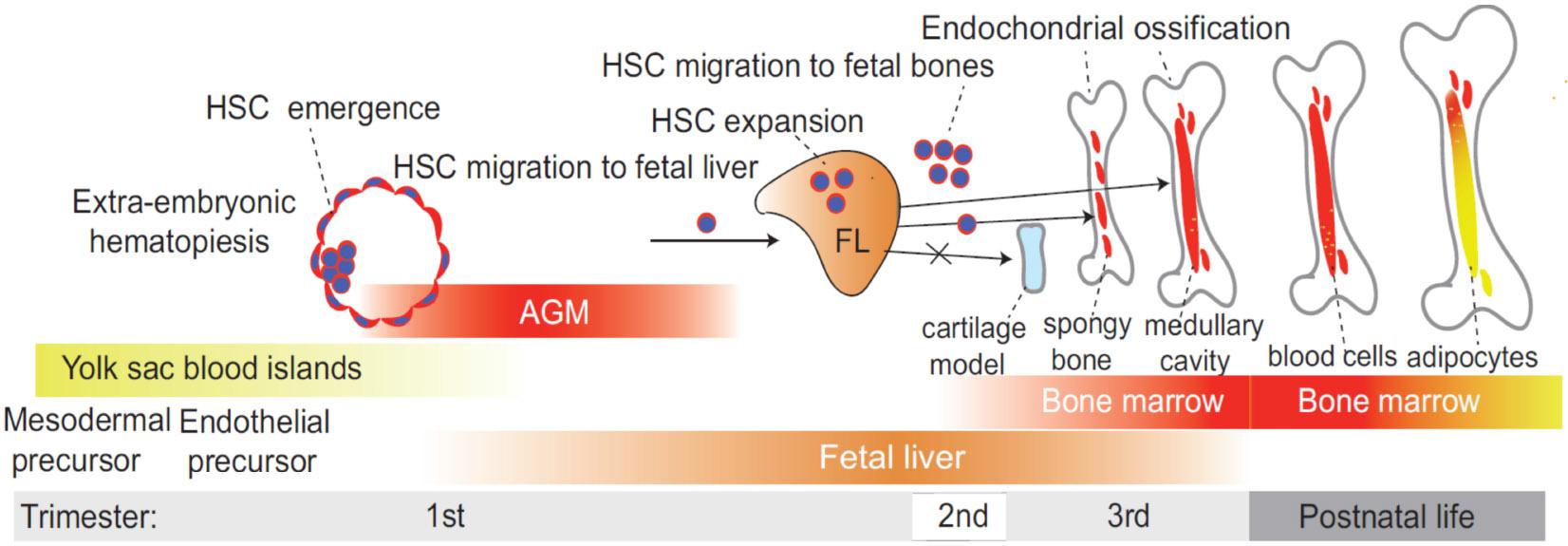
Maternal obesity, often linked to the consumption of a high-fat Western-style diet (WSD), poses significant risks to both maternal and fetal health. This review explores the impact of maternal obesity on fetal hematopoietic stem and progenitor cells (HSPCs), highlighting how metabolic and inflammatory shifts in the maternal environment affect HSPC proliferation, differentiation, and long-term immune system development. Maternal obesity leads to hormonal imbalances, increased inflammatory cytokines, placental insufficiency, and altered nutrient availability that disrupt normal HSPC function, potentially predisposing offspring to immune dysfunction, metabolic disorders, and cardiovascular diseases later in life. Notably, maternal obesity skews HSPC differentiation toward the myeloid lineage, which can impair adaptive immune responses and increase the risk of autoimmune diseases and infections. Furthermore, maternal diet-driven epigenetic and transcriptional reprogramming of fetal HSPCs exacerbates chronic inflammation, reinforcing a pro-inflammatory phenotype in downstream progeny that persists into postnatal stages. The review also emphasizes the need for further research to clarify the mechanisms underlying these effects across different species and developmental stages, as well as the potential for targeted interventions to mitigate the adverse impacts of maternal obesity on fetal hematopoiesis and lifelong health outcomes.
孕妇肥胖通常与高脂肪西式饮食(WSD)的摄入有关,对母婴健康都构成重大风险。本综述探讨了孕妇肥胖对胎儿造血干细胞和祖细胞(HSPCs)的影响,强调了母体环境中的代谢和炎症变化如何影响HSPC的增殖、分化以及长期免疫系统发育。孕妇肥胖会导致激素失衡、炎性细胞因子增加、胎盘功能不全以及营养可利用性改变,从而破坏HSPC的正常功能,可能使后代在日后生活中易患免疫功能障碍、代谢紊乱和心血管疾病。值得注意的是,孕妇肥胖会使HSPC分化偏向髓系谱系,这可能损害适应性免疫反应,并增加自身免疫性疾病和感染的风险。此外,母体饮食驱动的胎儿HSPCs表观遗传和转录重编程会加剧慢性炎症,在下游子代中强化促炎表型,并持续到出生后阶段。该综述还强调需要进一步研究,以阐明不同物种和发育阶段这些影响背后的机制,以及采取针对性干预措施减轻孕妇肥胖对胎儿造血和终身健康结果的不利影响的可能性。

 Zotero 插件