
缺血性脑卒中中铁自噬与铁死亡之间的相互作用:调控机制及治疗意义
The Crosstalk Between Ferritinophagy and Ferroptosis in Ischemic Stroke: Regulatory Mechanisms and Therapeutic Implications.
作者信息
Shi Zhanhua, Chen Kelong, Wang Yin, Du Haixia
机构信息
The Second Clinical Medical College, Zhejiang Chinese Medical University, Hangzhou, 310053, China.
Department of Neurology, Wenzhou TCM Hospital of Zhejiang Chinese Medical University, Wenzhou, 325000, China.
出版信息
Cell Mol Neurobiol. 2025 Jul 20;45(1):73. doi: 10.1007/s10571-025-01593-7.
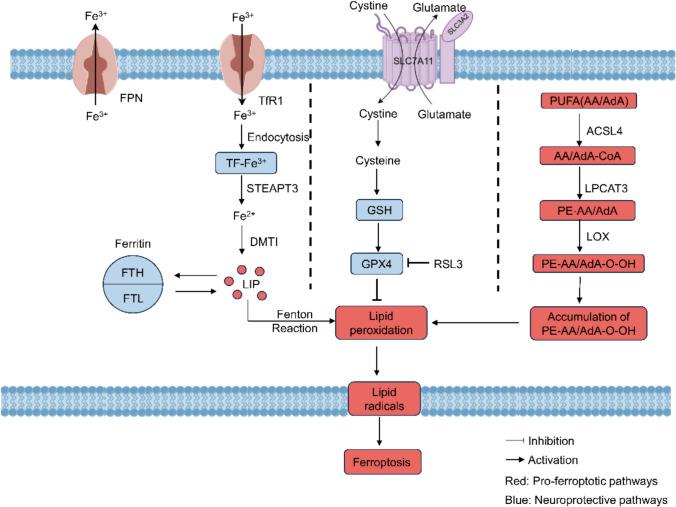
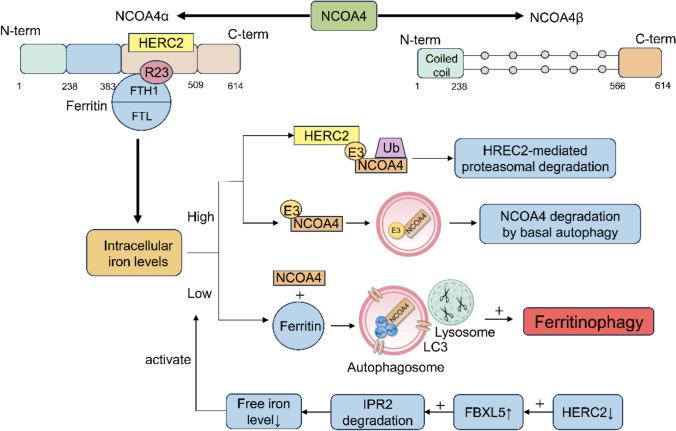
Ischemic stroke is a common cerebrovascular disease accompanied by a large number of neuronal death and severe functional impairment. In recent years, the role of ferroptosis and ferritinophagy in neuronal death after cerebral infarction has attracted great interest in the field of ischemic stroke. Ferroptosis is a newly discovered programmed cell death pattern characterized by iron overload, dysregulation of the xCT/GSH/GPX4 system, and lipid peroxidation system, which is closely associated with neurological damage after ischemic stroke. Ferritinophagy is a selective autophagy mediated by NCOA4 that regulates intracellular iron metabolism, and can be regulated by factors such as intracellular iron content and HERC2-FBXL5-IPR2 axis. Under normal physiological conditions, ferritinophagy maintains the balance of intracellular iron elements, and excessive activation can cause ferroptosis. Here, we mainly review the general mechanisms of ferroptosis and ferritinophagy, and focus on the relationship between ischemic stroke and ferroptosis/ferritinophagy. Specifically, we explored the crosstalk of ferroptosis and ferritinophagy in ischemic stroke and outlined current treatment strategies and key challenges. These observations may help to further understand the pathological events of ischemic stroke and bridge the gap between basic and translational research to provide novel insights for its treatment.
缺血性中风是一种常见的脑血管疾病,伴有大量神经元死亡和严重的功能障碍。近年来,铁死亡和铁自噬在脑梗死神经元死亡中的作用在缺血性中风领域引起了极大关注。铁死亡是一种新发现的程序性细胞死亡模式,其特征是铁过载、xCT/GSH/GPX4系统失调以及脂质过氧化系统,与缺血性中风后的神经损伤密切相关。铁自噬是由NCOA4介导的一种选择性自噬,可调节细胞内铁代谢,并受细胞内铁含量和HERC2-FBXL5-IPR2轴等因素的调节。在正常生理条件下,铁自噬维持细胞内铁元素的平衡,过度激活会导致铁死亡。在此,我们主要综述铁死亡和铁自噬的一般机制,并重点关注缺血性中风与铁死亡/铁自噬之间的关系。具体而言,我们探讨了缺血性中风中铁死亡和铁自噬的相互作用,并概述了当前的治疗策略和关键挑战。这些观察结果可能有助于进一步了解缺血性中风的病理事件,弥合基础研究与转化研究之间的差距,为其治疗提供新的见解。


 Zotero 插件