
针对非小细胞肺癌中表皮生长因子受体(EGFR)新抗原的诱导多能干细胞(iPSC)衍生T细胞的研发
Development of iPSC-derived T cells targeting EGFR neoantigens in non-small cell lung cancer.
作者信息
Niizuma Kouta, Nishimura Toshinobu, Villanueva Jonathan, Amaya Laura, Fowler Jonas L, Isobe Taichi, Nakauchi Yusuke, Saavedra Brandon, Xu Haojun, Nakanishi Mahito, Wilkinson Adam C, Loh Kyle M, Shrager Joseph B, Nakauchi Hiromitsu
机构信息
Institute for Stem Cell Biology and Regenerative Medicine, Stanford University School of Medicine, Stanford, CA 94305, USA.
Department of Genetics, Stanford University School of Medicine, Stanford, CA 94305, USA.
出版信息
Mol Ther Methods Clin Dev. 2025 Jun 18;33(3):101517. doi: 10.1016/j.omtm.2025.101517. eCollection 2025 Sep 11.
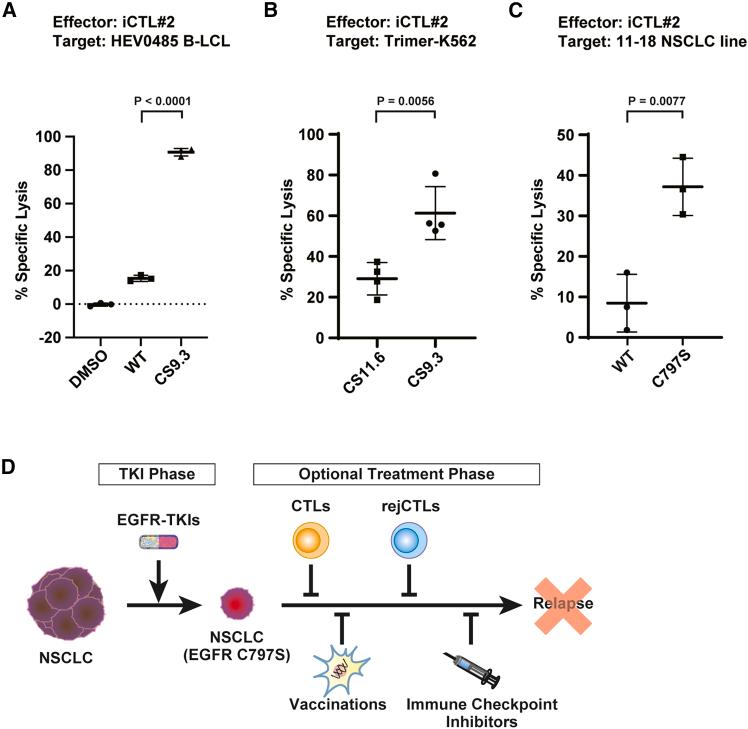
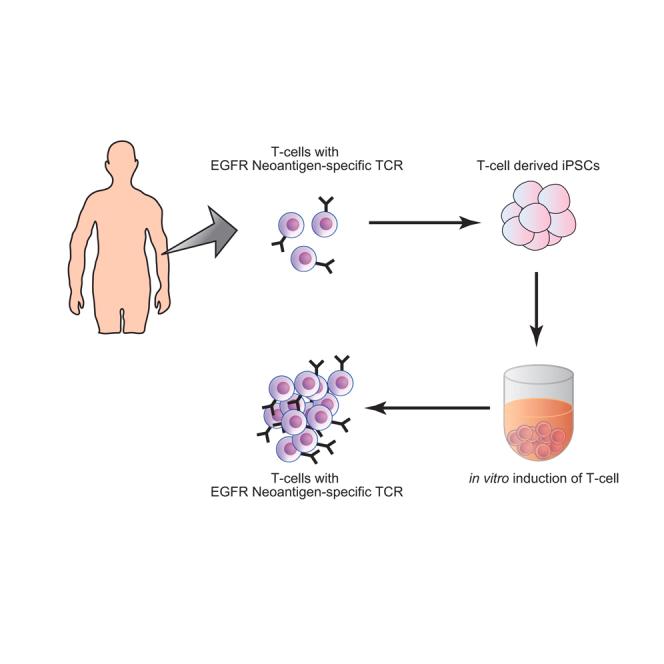
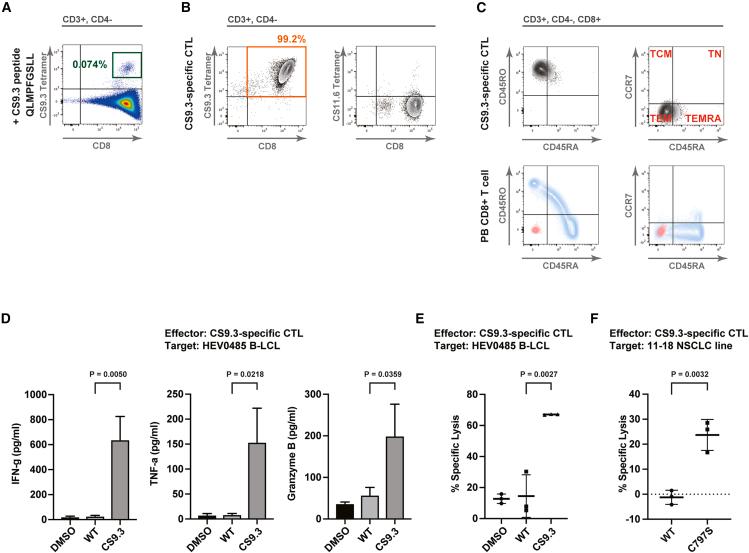
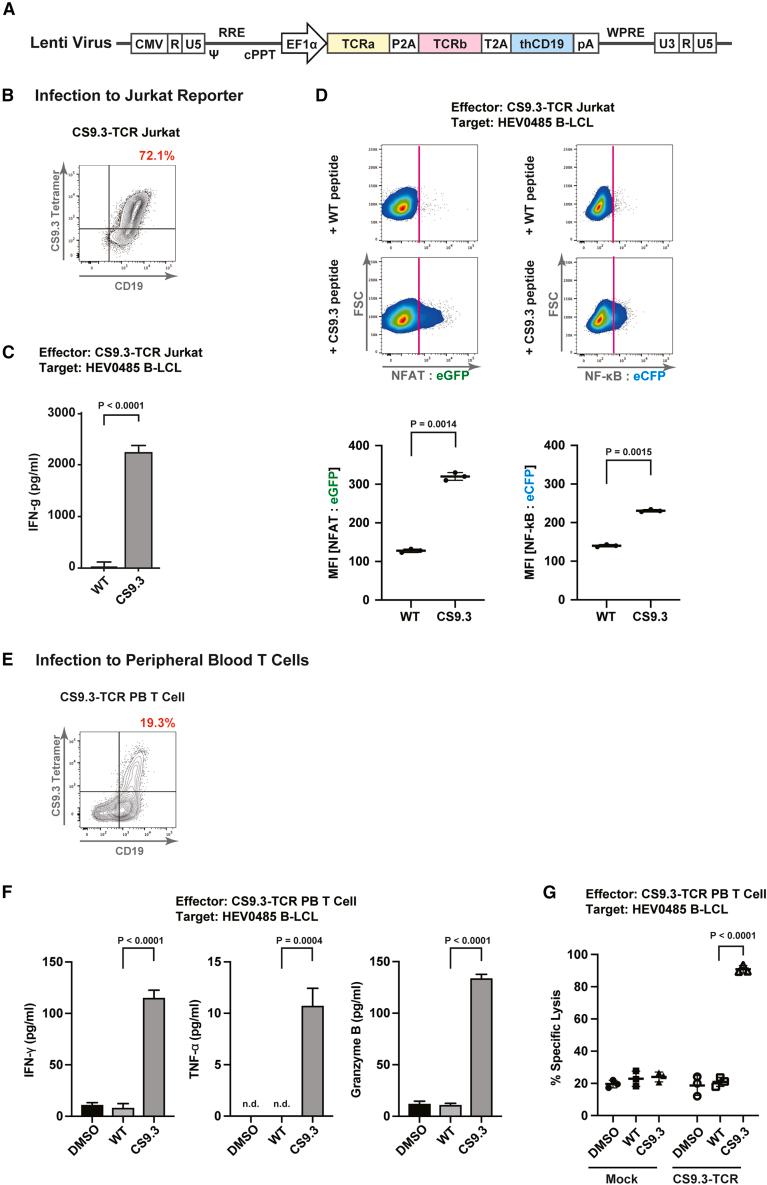
A long-sought goal of cancer immunotherapy is to mass-produce T cells that specifically target tumor neoantigens. One decisive challenge is the identification of neoantigens derived from cancer driver genes. Here, we identify T cells that recognize the NSCLC-associated EGFR C797S mutation, which confers resistance to current inhibitors and is linked to poor prognosis. To overcome limitations in T cell availability, we reprogrammed EGFR C797S-specific T cells into induced pluripotent stem cells (iPSCs) and re-differentiated them into CD8 T cells. These iPSC-derived T cells specifically recognized the EGFR C797S mutation and effectively killed cancer cells expressing this mutation. Our findings underscore the potential of targeting driver mutation-derived neoantigens for immunotherapy and demonstrate that iPSC-derived T cells can mediate antitumor effects. Collectively, this approach combining neoantigen identification with T cell reprogramming may offer a promising strategy for targeting drug-resistant tumors.
癌症免疫疗法长期以来的一个目标是大规模生产特异性靶向肿瘤新抗原的T细胞。一个决定性的挑战是识别源自癌症驱动基因的新抗原。在这里,我们鉴定出了识别与非小细胞肺癌相关的EGFR C797S突变的T细胞,该突变赋予了对当前抑制剂的抗性并与不良预后相关。为了克服T细胞可用性方面的限制,我们将EGFR C797S特异性T细胞重编程为诱导多能干细胞(iPSC),并将它们重新分化为CD8 T细胞。这些iPSC衍生的T细胞特异性识别EGFR C797S突变,并有效杀死表达该突变的癌细胞。我们的研究结果强调了靶向驱动突变衍生新抗原进行免疫治疗的潜力,并证明iPSC衍生的T细胞可以介导抗肿瘤作用。总体而言,这种将新抗原鉴定与T细胞重编程相结合的方法可能为靶向耐药肿瘤提供一种有前景的策略。

 Zotero 插件