
对辅料进行系统筛选,以稳定雾化脂质纳米颗粒,增强mRNA递送。
Systematic screening of excipients to stabilize aerosolized lipid nanoparticles for enhanced mRNA delivery.
作者信息
Heiser Brittany J, Lewis Mae M, Mohammadi Zerankeshi Meysam, Netemeyer Emily K, Hernandez Ashlee M, Marras Alexander E, Ghosh Debadyuti
机构信息
Department of Biomedical Engineering, The University of Texas at Austin Austin Texas USA.
Walker Department of Mechanical Engineering, The University of Texas at Austin Austin Texas USA.
出版信息
RSC Pharm. 2025 Jul 18. doi: 10.1039/d5pm00061k.
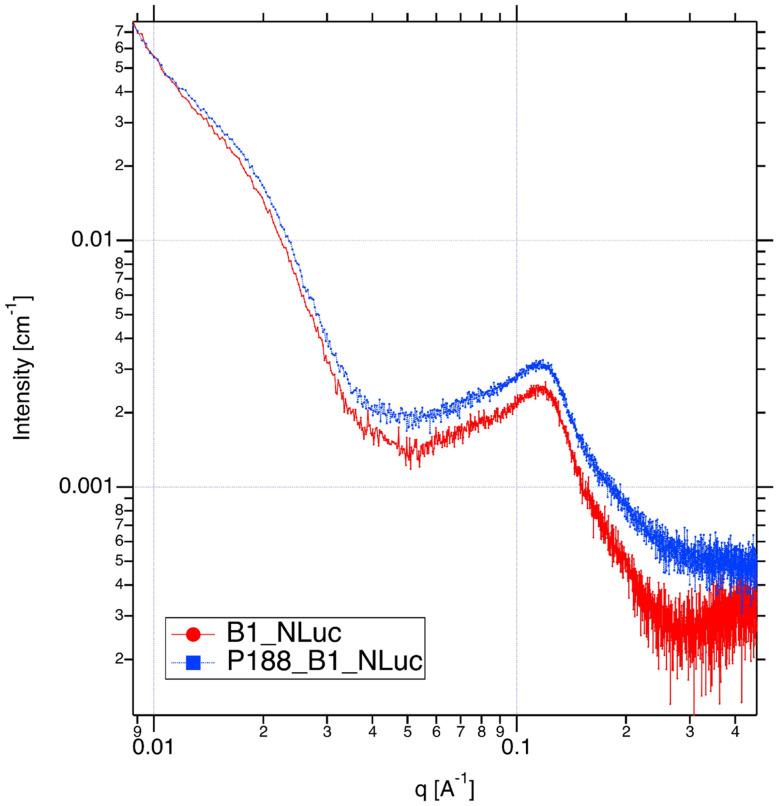
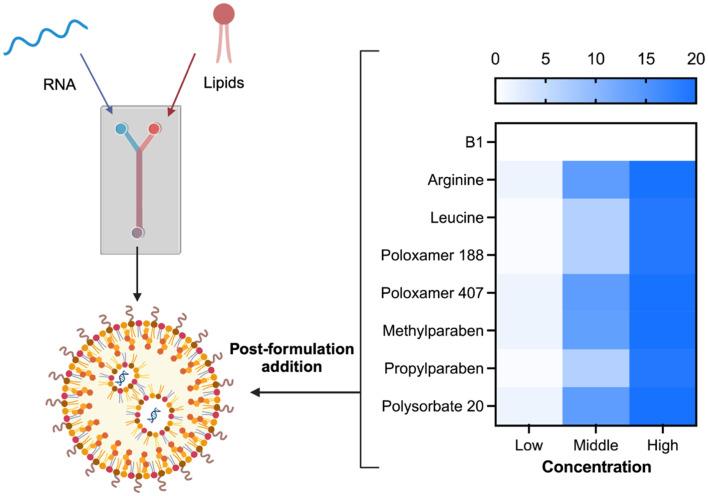
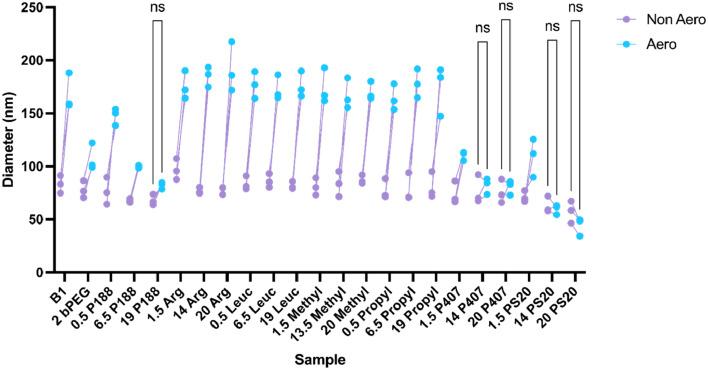
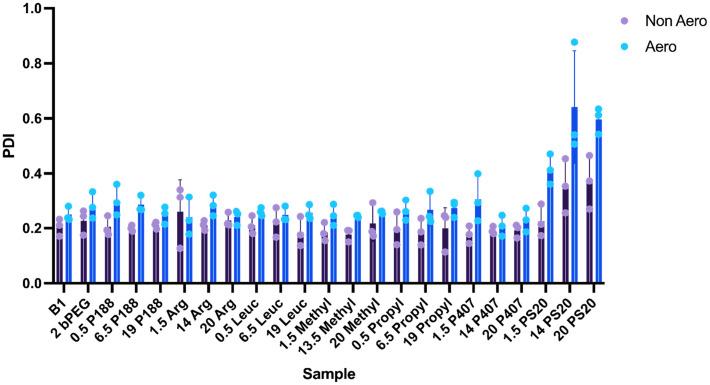
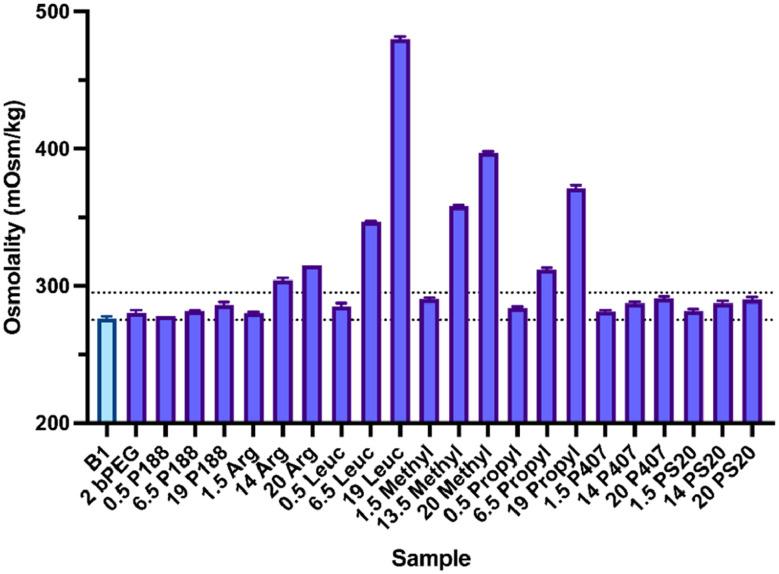
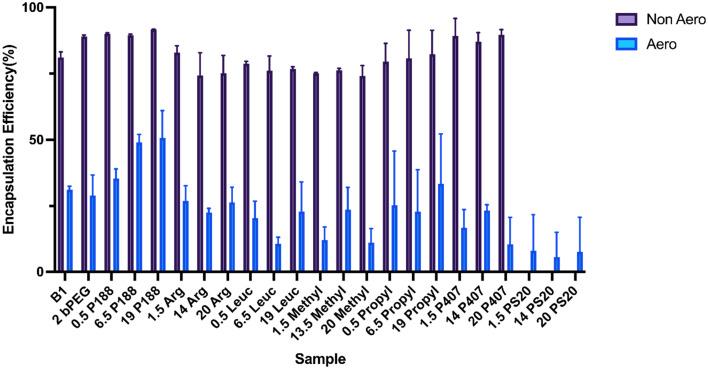
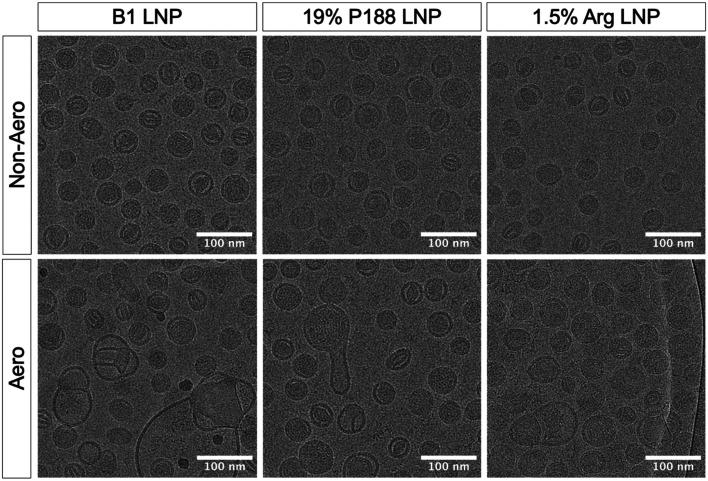
Aerosolized lipid nanoparticles (LNPs) delivering mRNA are an attractive strategy for use in local, inhalable therapy to treat patients with lung diseases. However, a major barrier to delivering aerosolized mRNA LNPs is the shear forces encountered during aerosolization. These forces lead to significant morphology changes and subsequent decrease in efficacy of mRNA delivery. To best retain the physicochemical properties of mRNA LNPs during aerosolization, we took a formulation-based strategy to stabilize LNPs. We used a design-of-experiment (DOE) approach to comprehensively screen rationally chosen excipients at multiple concentrations. Excipients were carefully selected based on their use in clinically approved inhaled products or their ability to support lipid membrane properties. These excipients were added to the same mRNA LNP composition after formulation, were subsequently characterized, and used to transfect human lung cells at air-liquid interface. From this systematic screen, we identified that the addition of our lead candidate, poloxamer 188, best stabilizes LNP size throughout aerosolization and enhances mRNA expression after aerosolization. Additional morphological studies of the inclusion of poloxamer 188 in LNPs suggests that the excipient lowers aerosolization induced fusion or aggregation of particles without altering the internal structure. Our results indicate that poloxamer 188 can support aerosolized mRNA LNP delivery by maintaining LNP size and significantly enhancing therapeutic nucleic acid delivery to lung cells.
递送信使核糖核酸(mRNA)的雾化脂质纳米颗粒(LNPs)是用于局部吸入治疗肺部疾病患者的一种有吸引力的策略。然而,递送雾化mRNA LNPs的一个主要障碍是雾化过程中遇到的剪切力。这些力会导致显著的形态变化,并随后降低mRNA递送的效率。为了在雾化过程中最佳地保留mRNA LNPs的物理化学性质,我们采用了基于配方的策略来稳定LNPs。我们使用实验设计(DOE)方法,以多种浓度全面筛选合理选择的辅料。辅料是根据它们在临床批准的吸入产品中的用途或其支持脂质膜性质的能力来精心挑选的。这些辅料在配方后添加到相同的mRNA LNP组合物中,随后进行表征,并用于在气液界面转染人肺细胞。通过这个系统筛选,我们确定添加我们的主要候选物泊洛沙姆188能在整个雾化过程中最佳地稳定LNP大小,并在雾化后增强mRNA表达。对LNPs中包含泊洛沙姆188的额外形态学研究表明,该辅料可降低雾化诱导的颗粒融合或聚集,而不改变内部结构。我们的结果表明,泊洛沙姆188可以通过维持LNP大小并显著增强治疗性核酸向肺细胞的递送,来支持雾化mRNA LNP的递送。



 Zotero 插件