
下一代蛋白质-配体相互作用网络:APEX作为一种强大的技术
Next-Generation Protein-Ligand Interaction Networks: APEX as a Powerful Technology.
作者信息
Quintero-Ferrer José Miguel, de Oliveira Lucas Silva, Goulart Paula Marian Vieira, Campos Thiago Albuquerque Souza, Martin Coralie, Grellier Philippe, Bastos Izabela Marques Dourado, Charneau Sébastien
机构信息
Laboratory of Biochemistry and Protein Chemistry, Department of Cell Biology, Institute of Biological Sciences, University of Brasilia, Brasilia 70910-900, Brazil.
UMR 7245 MCAM Molecules of Communication and Adaptation of Microorganisms, Muséum National d'Histoire Naturelle, CNRS, 75231 Cedex 05 Paris, France.
出版信息
Proteomes. 2025 Jun 23;13(3):26. doi: 10.3390/proteomes13030026.
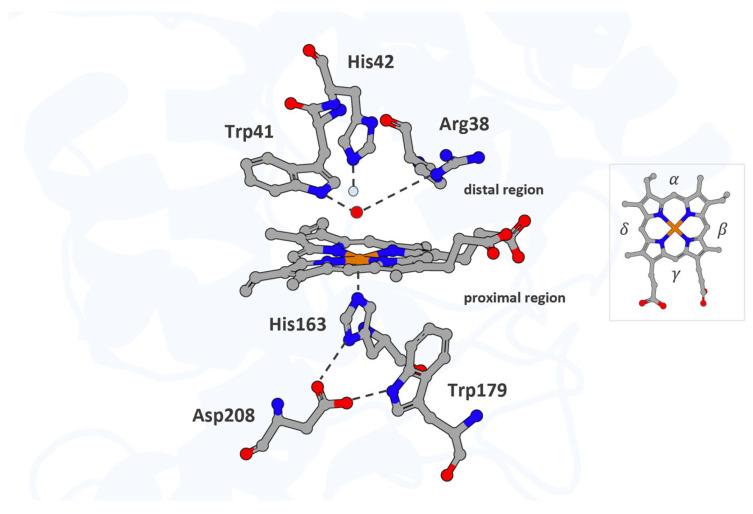
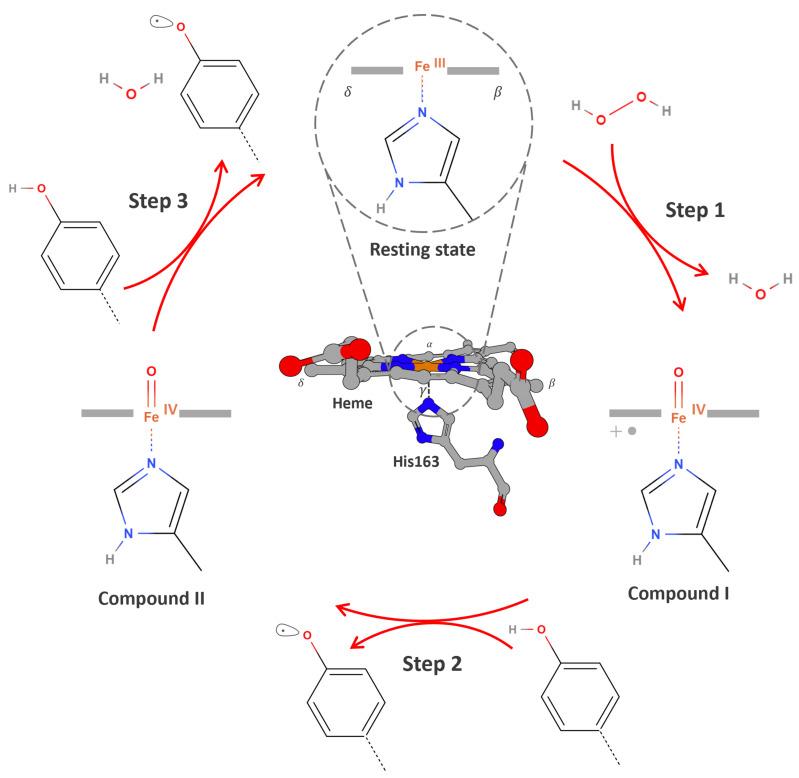
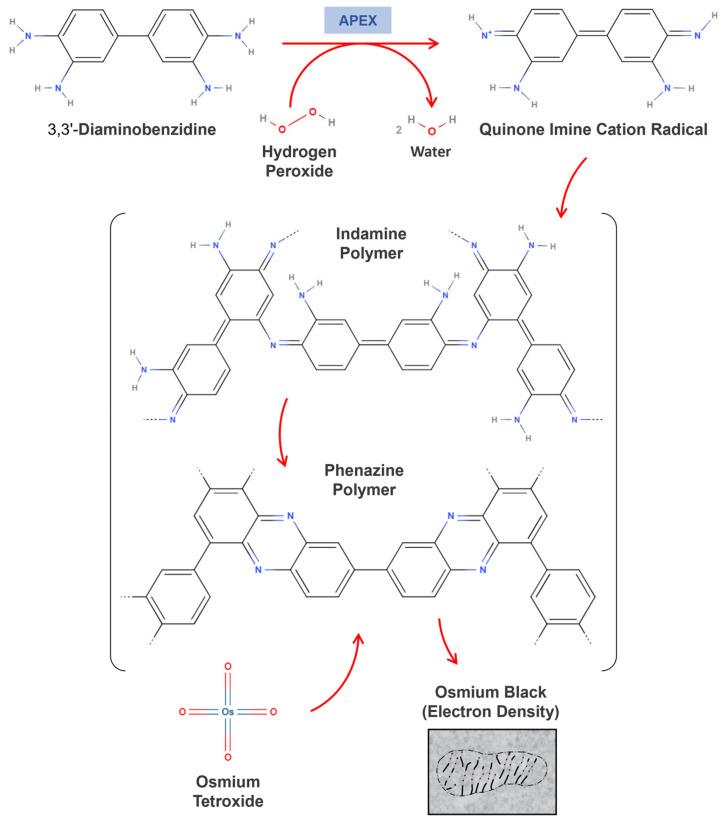
Peroxidases are essential enzymes that catalyze redox reactions, with wide-ranging biological implications. Among these, an enhanced ascorbate peroxidase (APEX) has emerged as a valuable tool for studying intricate intracellular events with spatiotemporal precision, particularly in protein-protein, protein-RNA, and protein-DNA interaction networks in living cells. This review discusses APEX's structural and functional attributes, its evolution through genetic engineering, and its transformative applications in high-resolution mapping used for proteomic and transcriptomic studies. Furthermore, it highlights recent advancements in substrate innovation and addresses current challenges and future directions in leveraging APEX for cutting-edge biological research.
过氧化物酶是催化氧化还原反应的必需酶,具有广泛的生物学意义。其中,增强型抗坏血酸过氧化物酶(APEX)已成为一种有价值的工具,可用于以时空精度研究复杂的细胞内事件,特别是在活细胞中的蛋白质-蛋白质、蛋白质-RNA和蛋白质-DNA相互作用网络中。本文综述了APEX的结构和功能特性、通过基因工程实现的进化,以及其在蛋白质组学和转录组学研究的高分辨率图谱绘制中的变革性应用。此外,还强调了底物创新方面的最新进展,并探讨了利用APEX进行前沿生物学研究面临的当前挑战和未来方向。



 Zotero 插件