
胃肠道癌症的免疫疗法:关键试验的经验教训及未来临床应用
Immunotherapy in GI Cancers: Lessons from Key Trials and Future Clinical Applications.
作者信息
Peshin Supriya, Bashir Faizan, Kodali Naga Anvesh, Dharia Adit, Zaiter Sajida, Singal Sakshi, Moka Nagaishwarya
机构信息
Norton Community Hospital, Ballad Health, Norton, VA 24273, USA.
School of Medicine, Shiraz University of Medical Sciences, Shiraz 71345-3119, Iran.
出版信息
Antibodies (Basel). 2025 Jul 11;14(3):58. doi: 10.3390/antib14030058.
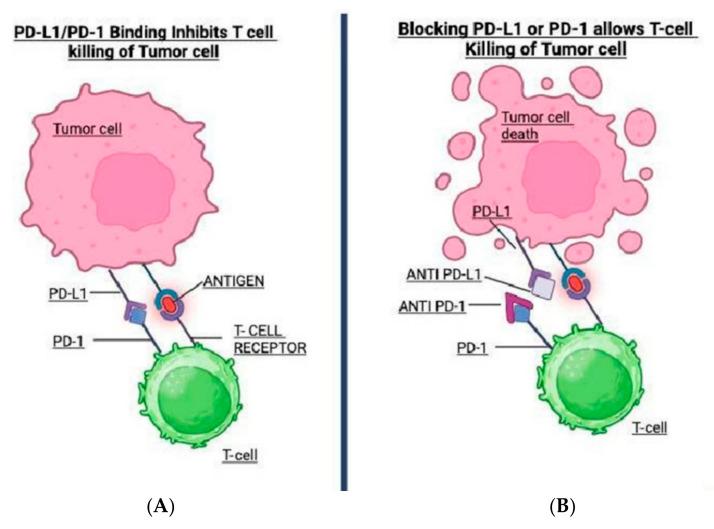
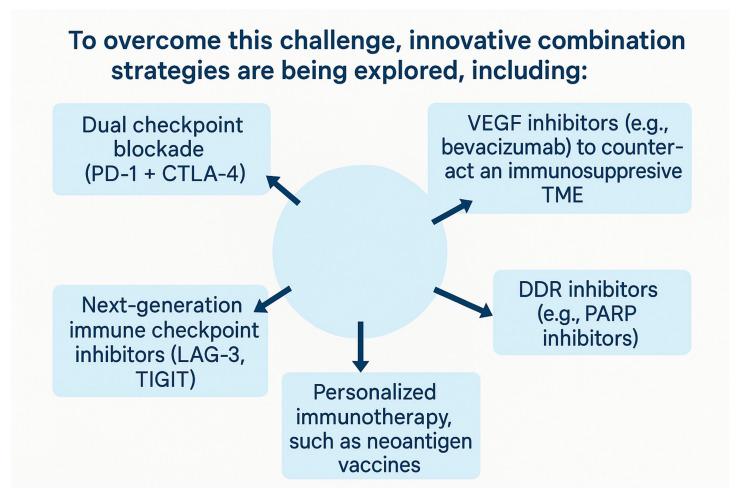
Immunotherapy has emerged as a transformative approach in gastrointestinal (GI) cancers, addressing historically poor survival rates in advanced-stage disease. Immune checkpoint inhibitors (ICIs) targeting the PD-1/PD-L1 axis demonstrate remarkable efficacy in colorectal cancer with deficient mismatch repair (dMMR) or high microsatellite instability (MSI-H), exemplified by trials like NICHE-2 achieving exceptional pathological response rates. However, significant limitations persist, including resistance in some dMMR/MSI-H tumors, minimal efficacy in proficient mismatch repair (pMMR) tumors, and low overall response rates across most GI malignancies due to tumor heterogeneity and immune evasion mechanisms. Predictive biomarkers such as tumor mutational burden (TMB) and PD-L1 expression are crucial for optimizing patient selection, while hypermutated pMMR tumors with POLE mutations represent emerging therapeutic opportunities. In pancreatic adenocarcinoma, where survival remains dismal, combination strategies with chemotherapy and novel approaches like cancer vaccines show promise but lack transformative breakthroughs. Esophagogastric cancers benefit from ICIs combined with chemotherapy, particularly in MSI-H and HER2-positive tumors, while hepatocellular carcinoma has achieved significant progress with combinations like atezolizumab-bevacizumab and durvalumab-tremelimumab surpassing traditional therapies. Biliary tract cancers show modest improvements with durvalumab-chemotherapy combinations. Despite these advances, immunotherapy faces substantial challenges including immune-related adverse events, acquired resistance through cancer immunoediting, and the need for biomarker-driven approaches to overcome tumor microenvironment barriers. This review discusses key clinical trials, therapeutic progress, and emerging modalities including CAR T-cell therapies and combination strategies, emphasizing the critical need to address resistance mechanisms and refine precision medicine approaches to fully realize immunotherapy's potential in GI malignancies.
免疫疗法已成为胃肠道(GI)癌症治疗中的一种变革性方法,改善了晚期疾病历来较差的生存率。靶向PD-1/PD-L1轴的免疫检查点抑制剂(ICI)在错配修复缺陷(dMMR)或微卫星高度不稳定(MSI-H)的结直肠癌中显示出显著疗效,例如NICHE-2试验取得了出色的病理缓解率。然而,仍然存在重大局限性,包括一些dMMR/MSI-H肿瘤的耐药性、错配修复功能正常(pMMR)肿瘤的疗效甚微,以及由于肿瘤异质性和免疫逃逸机制导致大多数胃肠道恶性肿瘤的总体缓解率较低。肿瘤突变负荷(TMB)和PD-L1表达等预测性生物标志物对于优化患者选择至关重要,而具有POLE突变的高突变pMMR肿瘤代表了新出现的治疗机会。在胰腺癌中,生存率仍然很低,化疗联合策略以及癌症疫苗等新方法显示出前景,但缺乏变革性突破。食管胃癌受益于ICI联合化疗,特别是在MSI-H和HER2阳性肿瘤中,而肝细胞癌通过阿替利珠单抗-贝伐单抗和度伐利尤单抗-曲美木单抗等联合方案取得了显著进展,超过了传统疗法。胆管癌采用度伐利尤单抗-化疗联合方案有一定改善。尽管取得了这些进展,免疫疗法仍面临重大挑战,包括免疫相关不良事件、通过癌症免疫编辑获得的耐药性,以及需要生物标志物驱动的方法来克服肿瘤微环境障碍。本综述讨论了关键临床试验、治疗进展以及包括CAR T细胞疗法和联合策略在内的新兴模式,强调迫切需要解决耐药机制并完善精准医学方法,以充分实现免疫疗法在胃肠道恶性肿瘤中的潜力。

 Zotero 插件