
呼吸重症监护患者的培养阳性率与抗生素耐药性:再入院及临床结局评估
Culture Positivity and Antibiotic Resistance in Respiratory Intensive Care Patients: Evaluation of Readmission and Clinical Outcomes.
作者信息
Menteş Oral, Çelik Deniz, Yildiz Murat, Ensarioğlu Kerem, Ari Maşide, Cırık Mustafa Özgür, Kahraman Abdullah, Şeşen Zehra Nur, Gegin Savaş, Güllü Yusuf Taha
机构信息
Department of Intensive Care, Gulhane Training and Research Hospital, 06010 Ankara, Turkey.
Department of Pulmonology, Faculty of Medicine, Alanya Alaaddin Keykubat University, 07425 Antalya, Turkey.
出版信息
Diagnostics (Basel). 2025 Jul 8;15(14):1737. doi: 10.3390/diagnostics15141737.
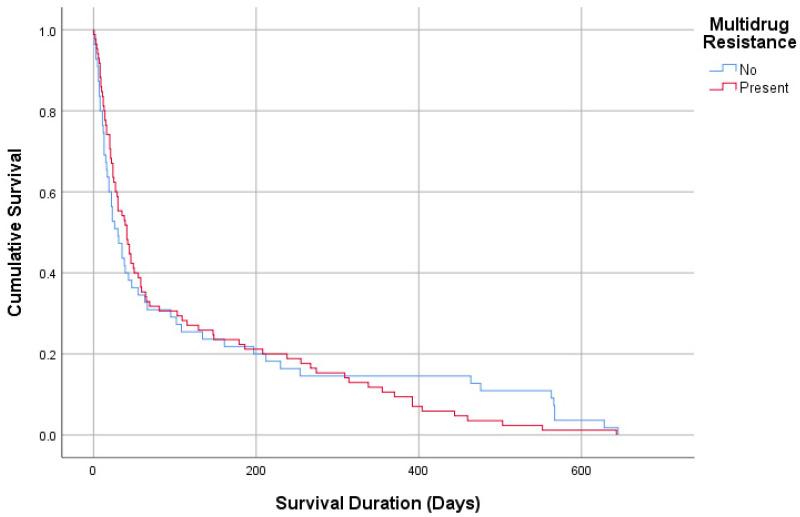
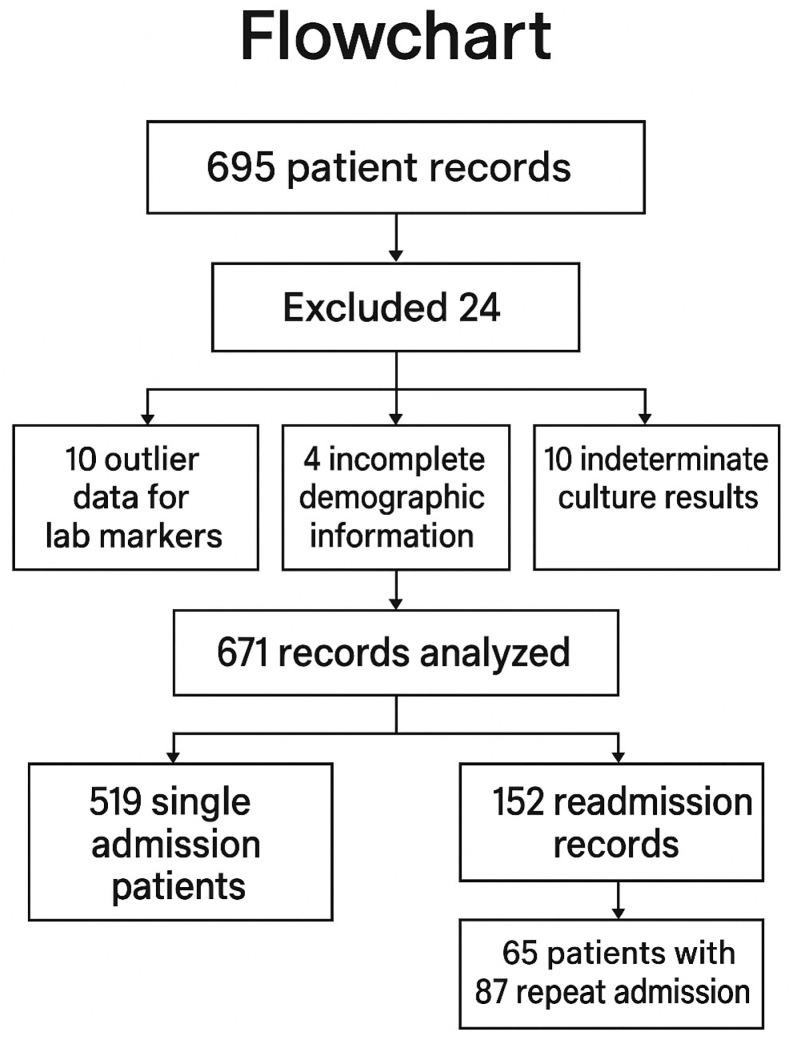
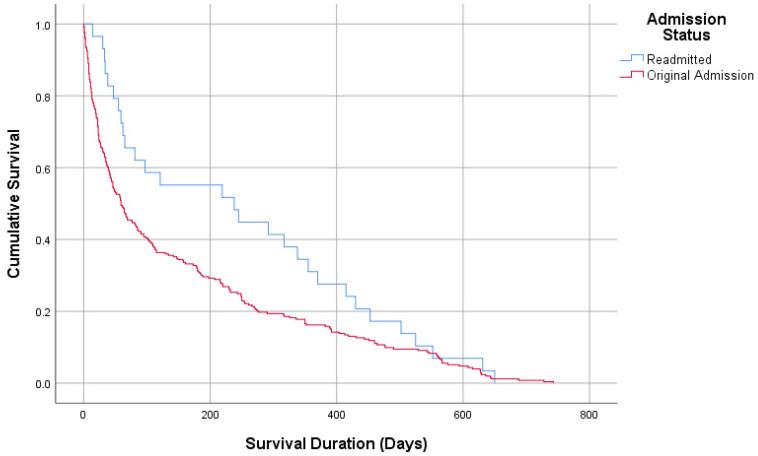
Multidrug-resistant bacteria (MDRB) represent a significant challenge in intensive care units (ICUs), as they limit treatment options, prolong hospital stays, and escalate healthcare costs. Respiratory ICUs are particularly affected due to the high prevalence of chronically ill patients with recurrent infections. Understanding the impact of culture positivity and MDRB on clinical outcomes and readmission rates is essential for enhancing patient care and addressing the growing burden of antimicrobial resistance. This retrospective study was conducted in a specialized respiratory ICU at a tertiary care hospital between 1 January 2019, and 1 January 2020. A total of 695 ICU admissions were analyzed, with patients grouped based on readmission status and culture results. Demographic, clinical, and laboratory data were reviewed. Statistical analyses were performed using appropriate tests, with -values ≤ 0.05 considered statistically significant. Among the 519 unique patients, 65 experienced ICU readmissions. Male patients were significantly more likely to be readmitted ( = 0.008). Culture positivity was predominantly observed in respiratory samples, with spp. identified as the most common pathogen. MDRB prevalence exceeded 60% in both groups, significantly prolonging ICU stays ( = 0.013). However, no significant differences in survival rates were observed between MDRB-positive and MDRB-negative groups. Notably, patients with readmissions had lower C-reactive protein (CRP) levels both during admission and at discharge compared to non-readmitted patients ( = 0.004). This paradox may reflect a subclinical inflammatory response associated with bacterial colonization rather than active infection, particularly in patients with chronic respiratory diseases. MDRB infections and culture positivity are key contributors to prolonged ICU stays, resulting in increased healthcare costs. Implementing effective strategies to manage MDRB infections is critical for improving outcomes in respiratory ICUs and reducing associated risks. This study underscores the growing burden of MDRB and highlights the importance of enhanced antimicrobial stewardship in respiratory ICUs.
多重耐药菌(MDRB)是重症监护病房(ICU)面临的一项重大挑战,因为它们限制了治疗选择,延长了住院时间,并增加了医疗成本。由于患有复发性感染的慢性病患者比例较高,呼吸内科ICU受到的影响尤为严重。了解培养阳性和MDRB对临床结局和再入院率的影响,对于加强患者护理和应对日益严重的抗菌药物耐药负担至关重要。这项回顾性研究于2019年1月1日至2020年1月1日在一家三级医院的专业呼吸内科ICU进行。共分析了695例ICU入院病例,并根据再入院状态和培养结果对患者进行分组。对人口统计学、临床和实验室数据进行了回顾。使用适当的检验进行统计分析,P值≤0.05被认为具有统计学意义。在519例独特患者中,65例经历了ICU再入院。男性患者再入院的可能性显著更高(P = 0.008)。培养阳性主要见于呼吸道样本,其中肺炎克雷伯菌被确定为最常见的病原体。两组中MDRB的患病率均超过60%,显著延长了ICU住院时间(P = 0.013)。然而,MDRB阳性组和MDRB阴性组之间的生存率没有显著差异。值得注意的是,与未再入院的患者相比,再入院患者在入院期间和出院时的C反应蛋白(CRP)水平较低(P = 0.004)。这种矛盾现象可能反映了与细菌定植而非活动性感染相关的亚临床炎症反应,特别是在慢性呼吸道疾病患者中。MDRB感染和培养阳性是导致ICU住院时间延长的关键因素,从而增加了医疗成本。实施有效的策略来管理MDRB感染对于改善呼吸内科ICU的结局和降低相关风险至关重要。这项研究强调了MDRB日益加重的负担,并突出了加强呼吸内科ICU抗菌药物管理的重要性。
 Zotero 插件