
[具体物质名称]对神经退行性疾病的调节作用:揭示与神经炎症、氧化应激和认知功能障碍相关的最新发现及应用
Modulatory Effects of on Neurodegenerative Diseases: Unveiling the Latest Findings and Applications Related to Neuroinflammation, Oxidative Stress, and Cognitive Dysfunction.
作者信息
Chira Ahlem, Lorenzetti Stefano
机构信息
Laboratory of Biomathematics LR22ES01, Faculty of Sciences of Sfax, BP 1171, Sfax 3000, Tunisia.
Department of Food Safety, Nutrition and Veterinary Public Health, Italian National Institute of Health, I-00161 Rome, Italy.
出版信息
Antioxidants (Basel). 2025 Jul 12;14(7):854. doi: 10.3390/antiox14070854.
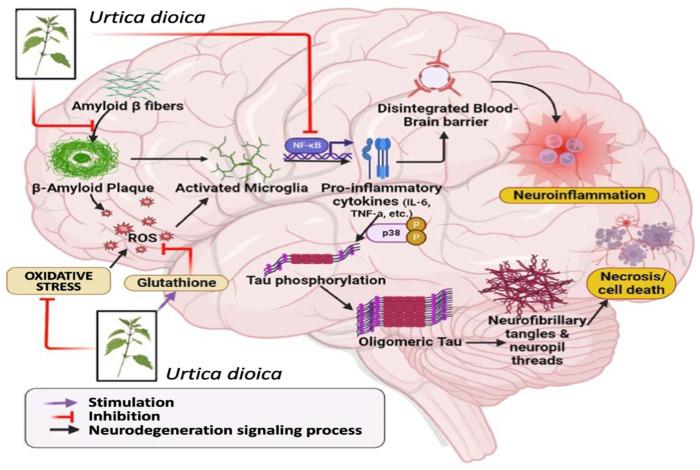
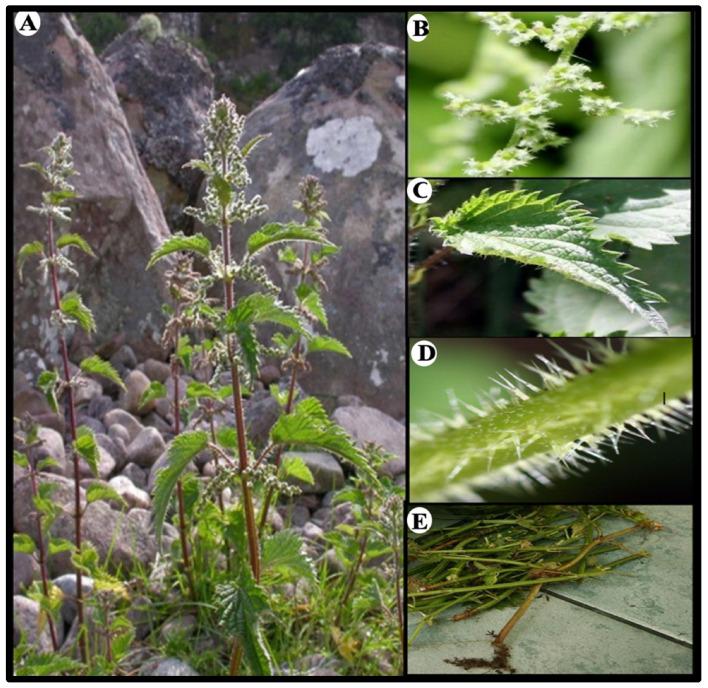
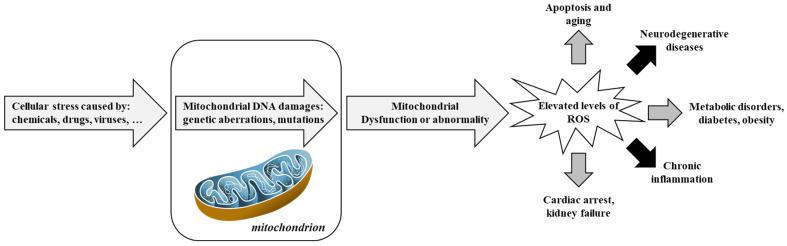
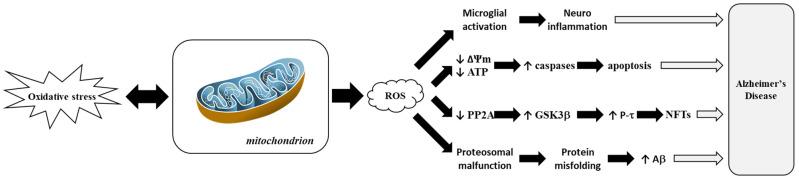
Over the past decade, L. () has gained prominence in biomedical research, particularly for its potential therapeutic applications in neurodegenerative diseases. This comprehensive review explores its botanical characteristics, toxicological considerations, and extensive traditional medicinal uses. Emphasizing the roles of phytochemical constituents such as flavonoids and overall polyphenolic compounds, this review examines their impact on mitigating critical pathways, such as neuroinflammation, oxidative stress, and mitochondrial dysfunction-all of which are implicated in Alzheimer's Disease (AD), Parkinson's Disease (PD), and Multiple Sclerosis (MS)-and, overall, in neurodegenerative processes in both humans and animal models. Notably, some phytochemicals are known to modulate crucial pathways for neuronal plasticity, learning, and memory, thereby enhancing cognitive functions. Hence, the potential of -based therapies to improve cognitive function and pave the way for future therapeutic developments in neuroprotection is underscored.
在过去十年中,L.()在生物医学研究中崭露头角,特别是因其在神经退行性疾病中的潜在治疗应用。这篇全面的综述探讨了它的植物学特征、毒理学考量以及广泛的传统药用用途。本综述强调了黄酮类等植物化学成分以及整体多酚类化合物的作用,研究了它们对减轻关键通路(如神经炎症、氧化应激和线粒体功能障碍,所有这些都与阿尔茨海默病(AD)、帕金森病(PD)和多发性硬化症(MS)相关,并且总体上与人类和动物模型中的神经退行性过程有关)的影响。值得注意的是,一些植物化学成分已知可调节神经元可塑性、学习和记忆的关键通路,从而增强认知功能。因此,强调了基于 - 的疗法改善认知功能以及为未来神经保护治疗发展铺平道路的潜力。

 Zotero 插件