
医疗保健中全氟和多氟烷基物质(PFASs)的暴露:环境与临床见解
Exposure to Per- and Polyfluoroalkyl Substances (PFASs) in Healthcare: Environmental and Clinical Insights.
作者信息
Briassoulis George, Ilia Stavroula, Briassouli Efrossini
机构信息
Postgraduate Program "Emergency and Intensive Care in Children, Adolescents and Young Adults", School of Medicine, University of Crete, 71003 Heraklion, Greece.
Pediatric Intensive Care Unit, University Hospital, School of Medicine, University of Crete, 71110 Heraklion, Greece.
出版信息
Life (Basel). 2025 Jul 1;15(7):1057. doi: 10.3390/life15071057.
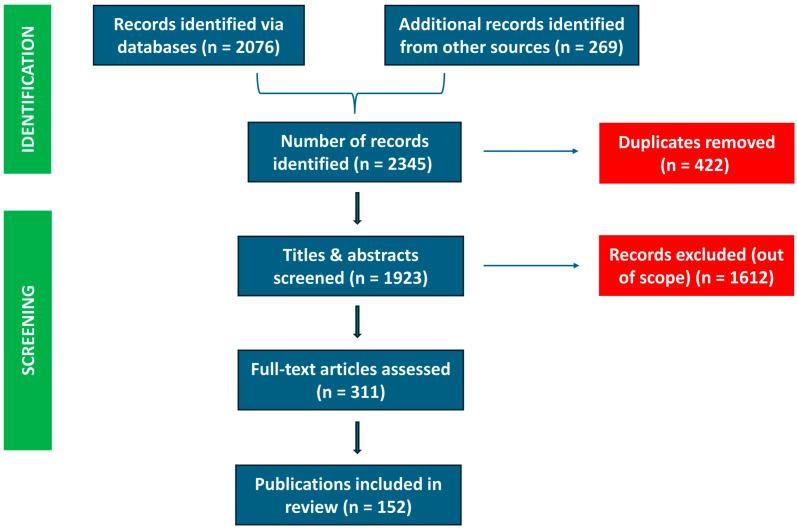
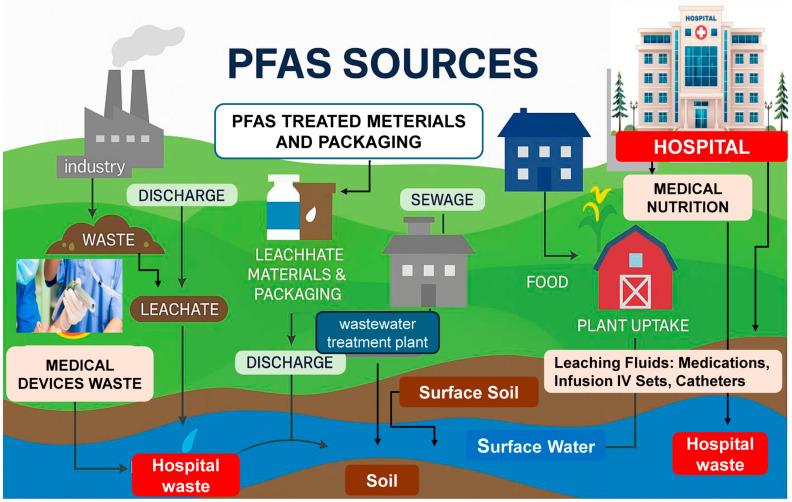
Per- and polyfluoroalkyl substances (PFASs) are synthetic chemicals extensively used in various industries due to their unique physicochemical properties. Their persistence in the environment and potential for bioaccumulation have raised significant health concerns. This review aims to elucidate the sources, exposure pathways, toxicological effects, and regulatory measures related to PFASs, with a particular focus on pediatric populations and medical applications. A comprehensive narrative review was conducted using PubMed, Scopus, and Web of Science to identify peer-reviewed literature published between 2000 and 2025. The search focused on PFAS use in healthcare, environmental contamination, exposure pathways, health effects, and regulatory actions. Relevant studies, reports, and policy documents were screened and thematically synthesized by the authors to evaluate clinical and environmental risks, particularly in pediatric populations. PFAS exposure is linked to various adverse health effects, including immunotoxicity, endocrine disruption, metabolic disorders, and carcinogenicity. Children are particularly vulnerable due to developmental susceptibilities and exposure through medical devices and environmental sources. Regulatory measures are evolving, but gaps remain, especially concerning medical device applications. There is an urgent need for comprehensive strategies to monitor and mitigate PFAS exposure, particularly in vulnerable populations. Enhanced regulatory frameworks, safer alternatives in medical devices, and public health interventions are essential to address the challenges posed by PFASs.
全氟和多氟烷基物质(PFASs)是一类合成化学品,因其独特的物理化学性质而被广泛应用于各种行业。它们在环境中的持久性和生物累积潜力引发了人们对健康的重大担忧。本综述旨在阐明与PFASs相关的来源、暴露途径、毒理学效应和监管措施,特别关注儿科人群和医疗应用。使用PubMed、Scopus和Web of Science进行了全面的叙述性综述,以识别2000年至2025年期间发表的同行评审文献。搜索重点是PFASs在医疗保健中的使用、环境污染、暴露途径、健康影响和监管行动。作者对相关研究、报告和政策文件进行了筛选和主题综合,以评估临床和环境风险,特别是在儿科人群中的风险。PFASs暴露与各种不良健康影响有关,包括免疫毒性、内分泌干扰、代谢紊乱和致癌性。由于发育易感性以及通过医疗设备和环境来源的暴露,儿童尤其脆弱。监管措施正在不断发展,但仍存在差距,特别是在医疗设备应用方面。迫切需要全面的策略来监测和减轻PFASs暴露,特别是在弱势群体中。加强监管框架、医疗设备中的更安全替代品以及公共卫生干预措施对于应对PFASs带来的挑战至关重要。


 Zotero 插件