
HIV 相关神经退行性变中的氧化应激:发病机制与治疗靶点
Oxidative Stress in HIV-Associated Neurodegeneration: Mechanisms of Pathogenesis and Therapeutic Targets.
作者信息
Gagliardi Sophia, Hotchkin Tristan, Hillmer Grace, Engelbride Maeve, Diggs Alexander, Tibebe Hasset, Izumi Coco, Sullivan Cailyn, Cropp Cecelia, Lantz Olive, Marquez Dacia, Chang Jason, Ezaki Jiro, Zestos Alexander George, Riley Anthony L, Izumi Taisuke
机构信息
Department of Biology, College of Arts & Sciences, American University, Washington, DC 20016, USA.
Department of Chemistry, College of Arts & Sciences, American University, Washington, DC 20016, USA.
出版信息
Int J Mol Sci. 2025 Jul 13;26(14):6724. doi: 10.3390/ijms26146724.
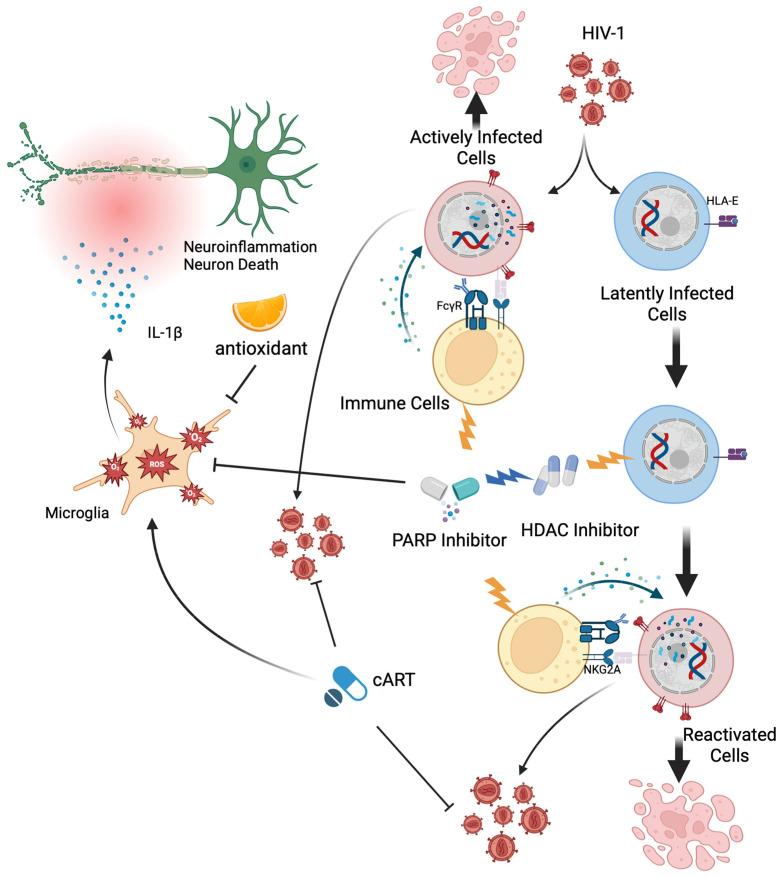
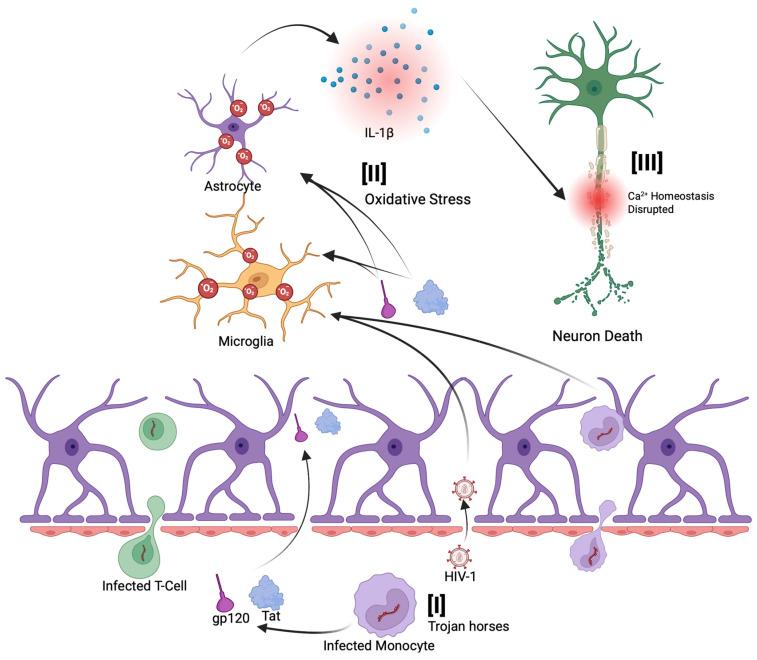
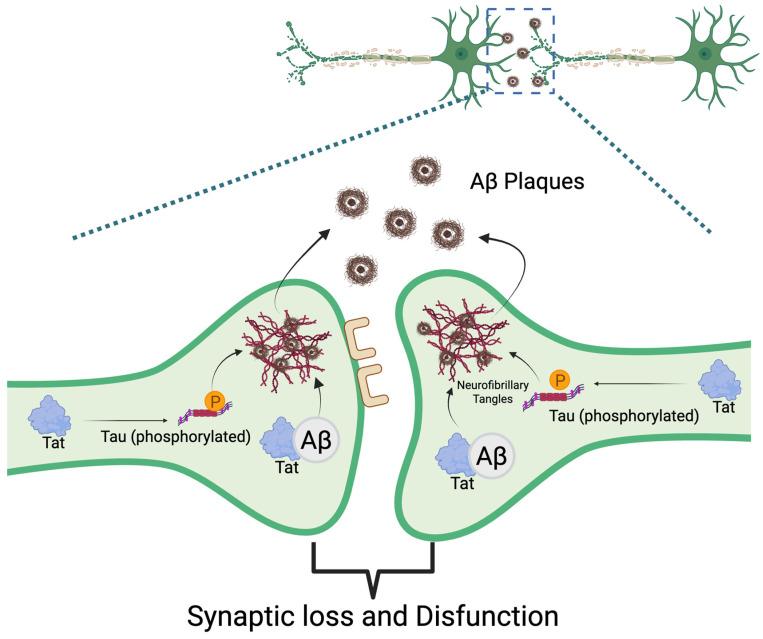
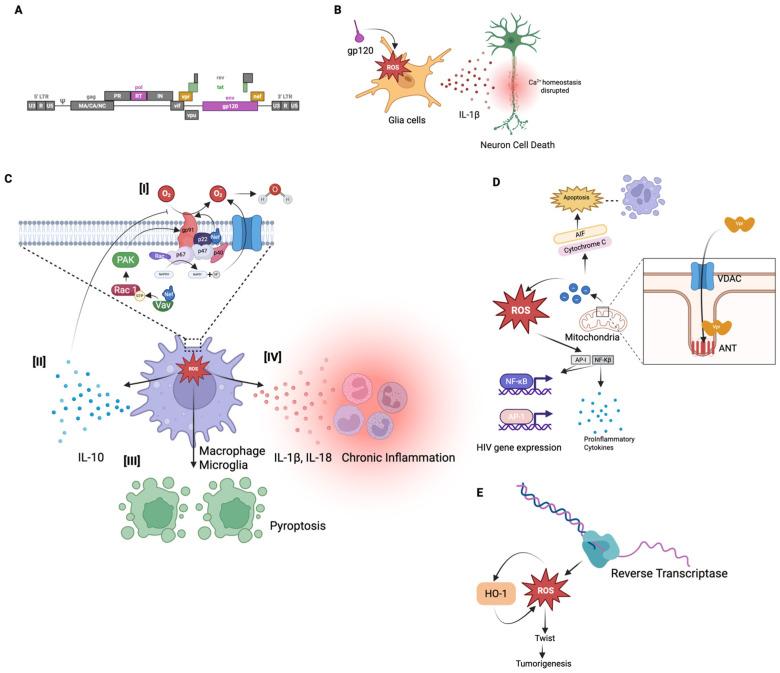
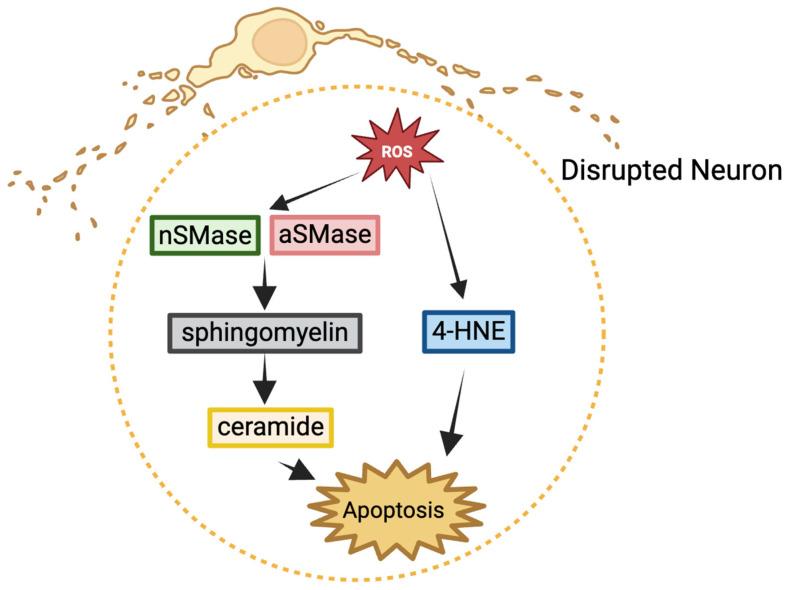
Treatment for HIV infection has become more manageable due to advances in combination antiretroviral therapy (cART). However, HIV still significantly affects the central nervous system (CNS) in infected individuals, even with effective plasma viral suppression, due to persistent viral reservoirs and chronic neuroinflammation. This ongoing inflammation contributes to the development of HIV-associated neurocognitive disorders (HANDs), including dementia and Alzheimer's disease-like pathology. These complications are particularly prevalent among the aging population with HIV. This review aims to provide a comprehensive overview of HAND, with a focus on the contribution of oxidative stress induced by HIV-mediated reactive oxygen species (ROS) production through viral proteins such as gp120, Tat, Nef, Vpr, and reverse transcriptase. In addition, we discuss current and emerging therapeutic interventions targeting HAND, including antioxidant strategies and poly (ADP-ribose) polymerase (PARP) inhibitors. These are potential adjunctive approaches to mitigate neuroinflammation and oxidative damage in the CNS.
由于联合抗逆转录病毒疗法(cART)的进展,HIV感染的治疗变得更易于管理。然而,即使血浆病毒得到有效抑制,HIV仍会对感染者的中枢神经系统(CNS)产生显著影响,这是由于持续存在的病毒储存库和慢性神经炎症所致。这种持续的炎症会导致与HIV相关的神经认知障碍(HANDs)的发展,包括痴呆和阿尔茨海默病样病理。这些并发症在感染HIV的老年人群中尤为普遍。本综述旨在全面概述HANDs,重点关注HIV通过病毒蛋白(如gp120、Tat、Nef、Vpr和逆转录酶)产生的活性氧(ROS)所诱导的氧化应激的作用。此外,我们还讨论了针对HANDs的当前和新兴治疗干预措施,包括抗氧化策略和聚(ADP-核糖)聚合酶(PARP)抑制剂。这些是减轻中枢神经系统神经炎症和氧化损伤潜在的辅助方法。
 Zotero 插件