
人工智能在糖尿病视网膜病变诊断与管理中的作用
The Role of Artificial Intelligence in the Diagnosis and Management of Diabetic Retinopathy.
作者信息
Ansari Areeb, Ansari Nabiha, Khalid Usman, Markov Daniel, Bechev Kristian, Aleksiev Vladimir, Markov Galabin, Poryazova Elena
机构信息
Faculty of Medicine, Medical University of Plovdiv, 4002 Plovdiv, Bulgaria.
Department of General and Clinical Pathology, Medical University of Plovdiv, 4002 Plovdiv, Bulgaria.
出版信息
J Clin Med. 2025 Jul 20;14(14):5150. doi: 10.3390/jcm14145150.
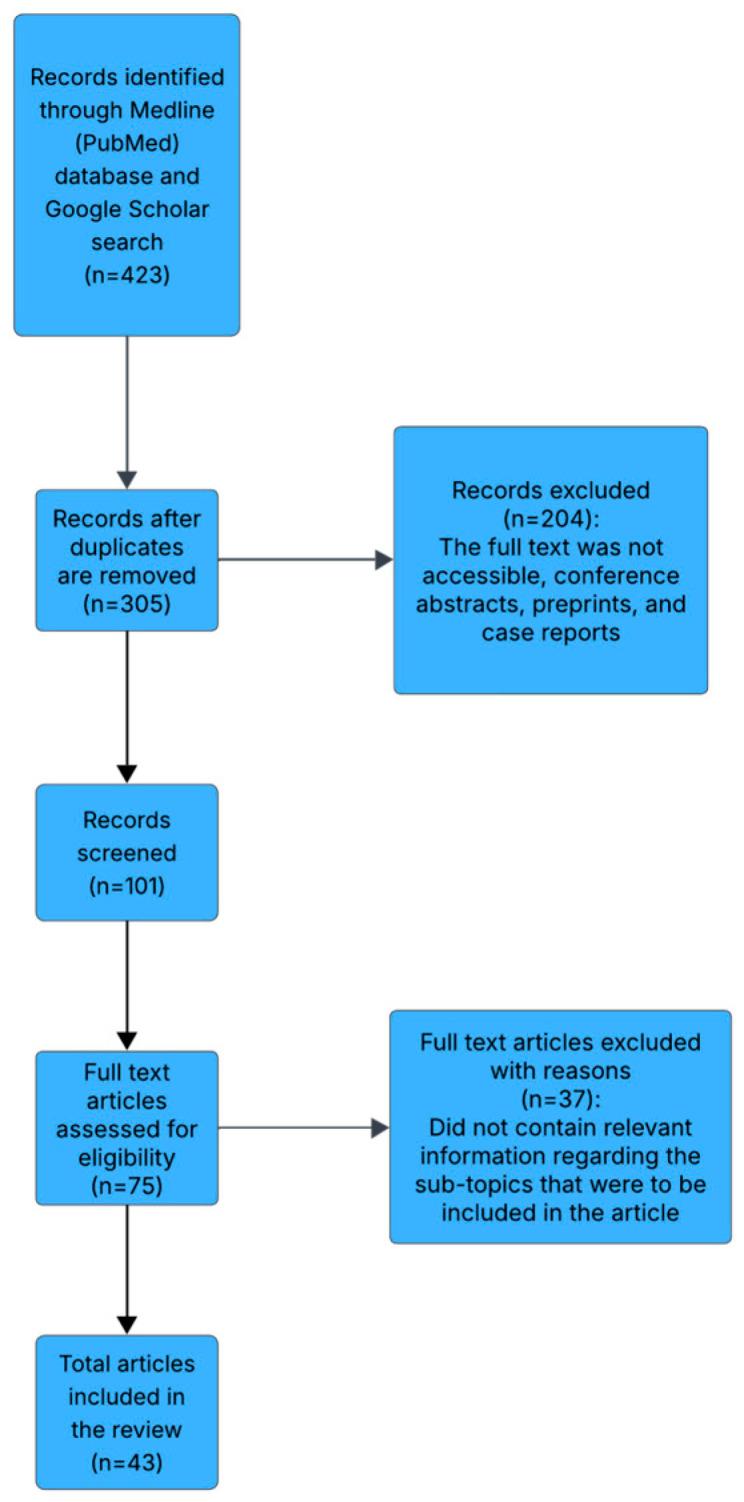
: Diabetic retinopathy (DR) is a progressive microvascular complication of diabetes mellitus and a leading cause of vision impairment worldwide. Early detection and timely management are critical in preventing vision loss, yet current screening programs face challenges, including limited specialist availability and variability in diagnoses, particularly in underserved areas. This literature review explores the evolving role of artificial intelligence (AI) in enhancing the diagnosis, screening, and management of diabetic retinopathy. It examines AI's potential to improve diagnostic accuracy, accessibility, and patient outcomes through advanced machine-learning and deep-learning algorithms. : We conducted a non-systematic review of the published literature to explore advancements in the diagnostics of diabetic retinopathy. Relevant articles were identified by searching the PubMed and Google Scholar databases. Studies focusing on the application of artificial intelligence in screening, diagnosis, and improving healthcare accessibility for diabetic retinopathy were included. Key information was extracted and synthesized to provide an overview of recent progress and clinical implications. : Artificial intelligence holds transformative potential in diabetic retinopathy care by enabling earlier detection, improving screening coverage, and supporting individualized disease management. Continued research and ethical deployment will be essential to maximize AI's benefits and address challenges in real-world applications, ultimately improving global vision health outcomes.
糖尿病视网膜病变(DR)是糖尿病的一种进行性微血管并发症,也是全球视力损害的主要原因。早期检测和及时管理对于预防视力丧失至关重要,但目前的筛查项目面临挑战,包括专科医生数量有限以及诊断存在差异,尤其是在医疗服务不足的地区。这篇文献综述探讨了人工智能(AI)在加强糖尿病视网膜病变诊断、筛查和管理方面不断演变的作用。它研究了AI通过先进的机器学习和深度学习算法提高诊断准确性、可及性和患者治疗效果的潜力。我们对已发表的文献进行了非系统性综述,以探索糖尿病视网膜病变诊断方面的进展。通过搜索PubMed和谷歌学术数据库确定了相关文章。纳入了关注人工智能在糖尿病视网膜病变筛查、诊断以及改善医疗可及性方面应用的研究。提取并综合关键信息,以概述近期进展和临床意义。人工智能在糖尿病视网膜病变护理方面具有变革潜力,能够实现更早检测、提高筛查覆盖率并支持个性化疾病管理。持续的研究和符合伦理的应用对于最大化AI的益处以及应对实际应用中的挑战至关重要,最终改善全球视力健康状况。
 Zotero 插件