
肝癌肿瘤微环境的异质性:线粒体代谢与孟德尔随机化因果推断
Heterogeneity of the liver cancer tumor microenvironment: mitochondrial metabolism and causal inference through Mendelian randomization.
作者信息
Liu Xiaping, Jing Zhang, Chen Jian, Su Linhong, Lin Jun, Zhu Xiaoqu, Ye Xiaodan
机构信息
Department of Infectious Liver Disease, Wenzhou TCM Hospital of Zhejiang Chinese Medical University, Wenzhou, 325000, China.
Department of Ultrasound, The Second Affiliated Hospital of Chengdu Medical College, Nuclear Industry 416 Hospital, Chengdu, 610000, China.
出版信息
Discov Oncol. 2025 Jul 29;16(1):1436. doi: 10.1007/s12672-025-02535-x.
BACKGROUND
This study presents a comprehensive investigation into the molecular mechanisms of hepatocellular carcinoma (HCC) through an innovative application of Mendelian randomization (MR) analysis, integrated with immune cell profiling and metabolomic assessment.
METHODS
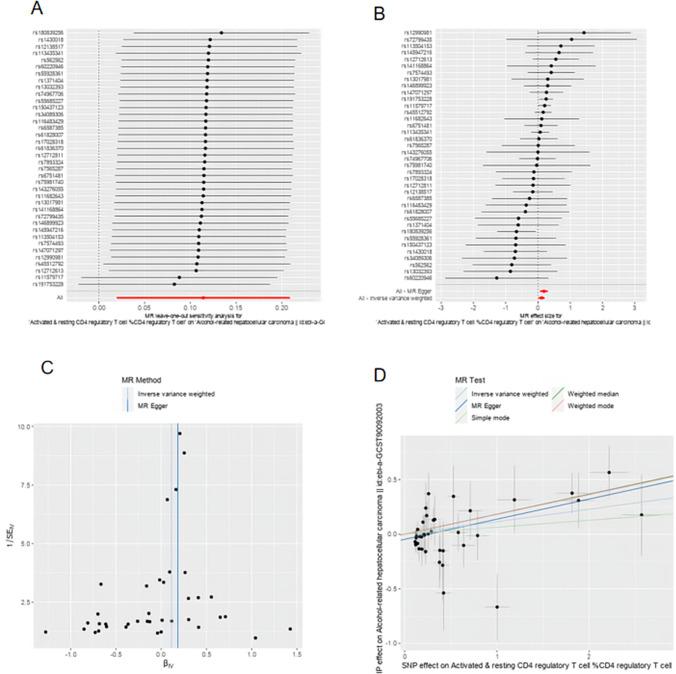
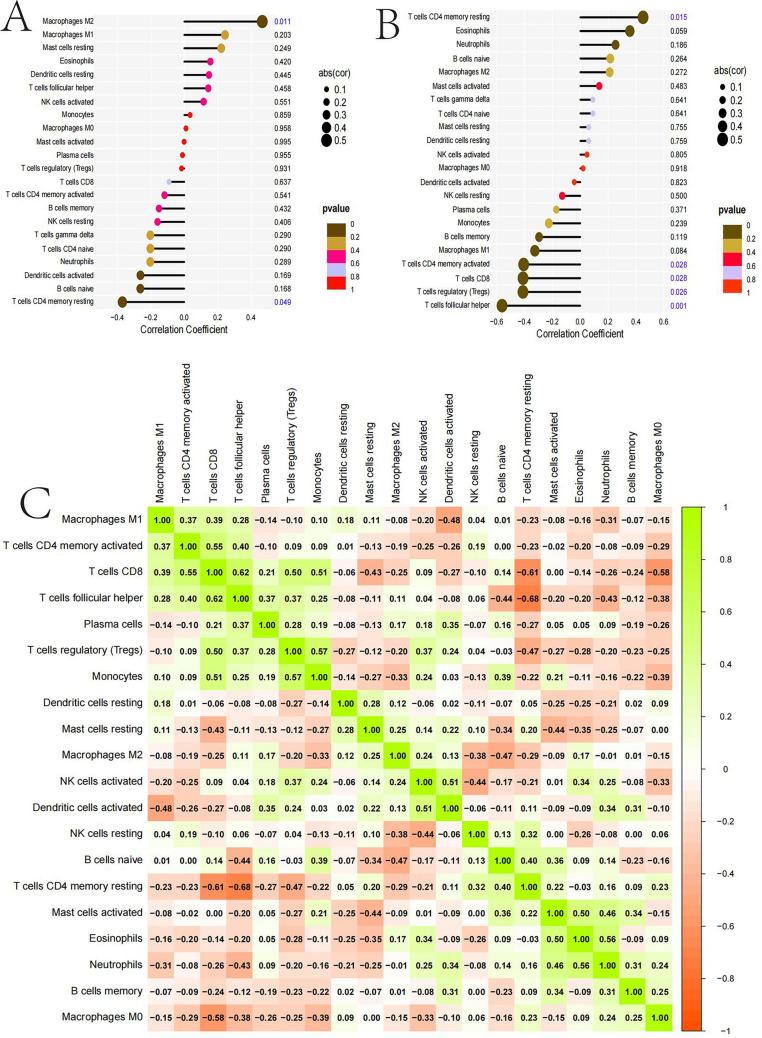
Utilizing two-sample Mendelian randomization (TSMR) with data from large-scale GWAS studies, including immune cell profiles from the UK Biobank (n = 1629) and HCC cases from a multi-ethnic meta-analysis (775 cases, 1332 controls), we identified significant causal associations between specific immune cell populations, serum metabolites, and HCC risk. This study employed a multi-omics approach, including Principal Component Analysis (PCA), Gene Set Enrichment Analysis (GSEA), to conduct a comprehensive analysis of the liver cancer TME.
RESULTS
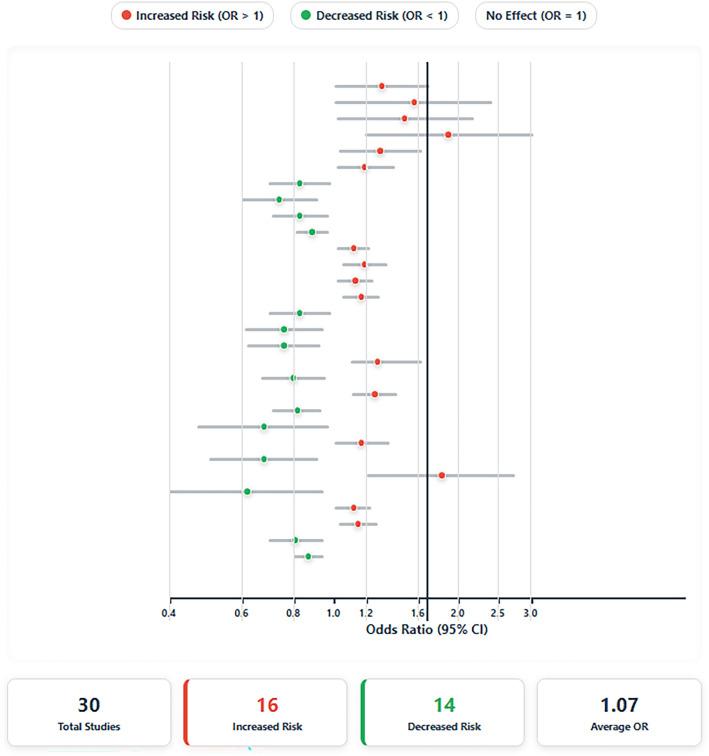
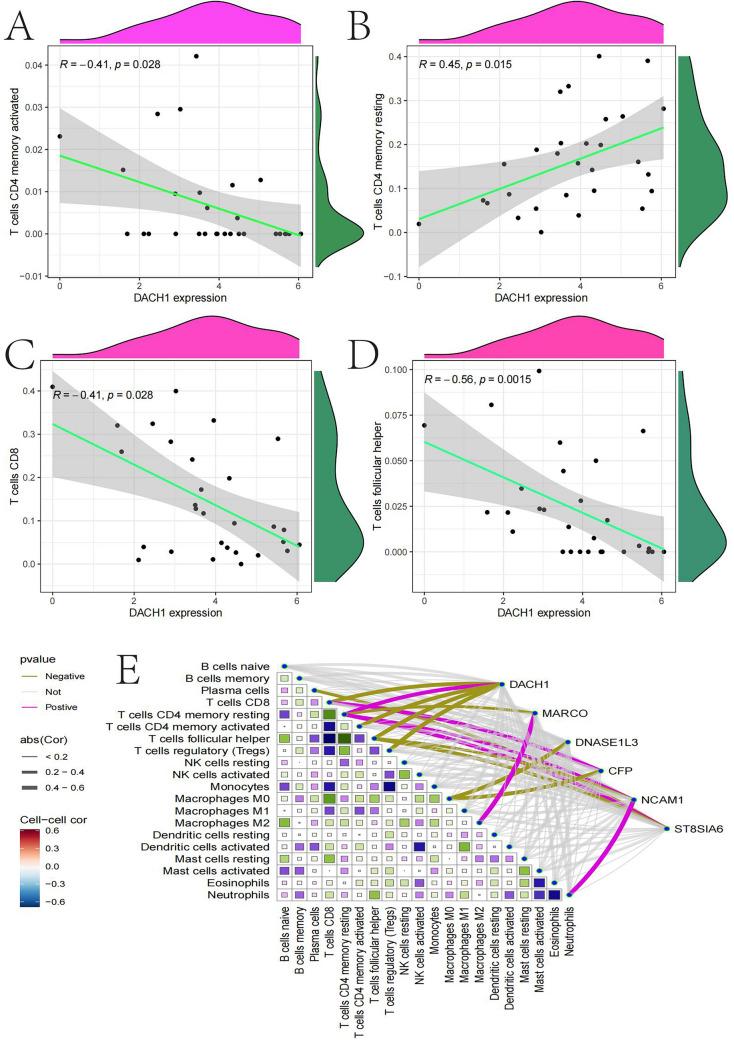
Our analysis revealed three immune cell populations significantly associated with HCC development: CD127-expressing CD28 + CDACDB-T cells (OR = 1.31), and unswitched memory B cells measured by both percentage (OR = 1.57) and absolute count (OR = 1.49). We found an increased dispersion of tumor cells in PCA, reflecting adaptive changes due to complex gene regulatory networks. The TYROBP gene was specifically expressed in myeloid cells and enriched in multiple biological pathways. Cell communication analysis revealed significant interactions between T cells and tumor cells.
CONCLUSION
This study provides a comprehensive view of the heterogeneity of the liver cancer TME and reveals the potential roles of key genes and cell types in the development of liver cancer. These findings offer new insights into the molecular mechanisms of liver cancer and may aid in the identification of new therapeutic targets and biomarkers.
背景
本研究通过孟德尔随机化(MR)分析的创新应用,结合免疫细胞谱分析和代谢组学评估,对肝细胞癌(HCC)的分子机制进行了全面研究。
方法
利用两样本孟德尔随机化(TSMR),结合大规模全基因组关联研究(GWAS)的数据,包括来自英国生物银行的免疫细胞谱(n = 1629)和多民族荟萃分析中的HCC病例(775例病例,1332例对照),我们确定了特定免疫细胞群体、血清代谢物与HCC风险之间的显著因果关联。本研究采用多组学方法,包括主成分分析(PCA)、基因集富集分析(GSEA),对肝癌肿瘤微环境进行了全面分析。
结果
我们的分析揭示了与HCC发展显著相关的三种免疫细胞群体:表达CD127的CD28 + CDACDB - T细胞(OR = 1.31),以及通过百分比(OR = 1.57)和绝对计数(OR = 1.49)测量的未转换记忆B细胞。我们发现PCA中肿瘤细胞的离散度增加,反映了由于复杂基因调控网络导致的适应性变化。TYROBP基因在髓样细胞中特异性表达,并在多个生物学途径中富集。细胞通讯分析揭示了T细胞与肿瘤细胞之间的显著相互作用。
结论
本研究提供了肝癌肿瘤微环境异质性的全面视图,揭示了关键基因和细胞类型在肝癌发展中的潜在作用。这些发现为肝癌的分子机制提供了新的见解,可能有助于识别新的治疗靶点和生物标志物。



 Zotero 插件