
意大利地中海有机饮食对肠道微生物群的影响:一项针对传统食品和自由饮食的试点对比研究。
Effects of Italian Mediterranean Organic Diet on the Gut Microbiota: A Pilot Comparative Study with Conventional Products and Free Diet.
作者信息
Di Renzo Laura, Frank Giulia, Pala Barbara, Cianci Rossella, La Placa Giada, Raffaelli Glauco, Palma Roselisa, Peluso Daniele, De Lorenzo Antonino, Gualtieri Paola
机构信息
Section of Clinical Nutrition and Nutrigenomics, Department of Biomedicine and Prevention, Tor Vergata University of Rome, Via Montpellier 1, 00133 Rome, Italy.
PhD School of Applied Medical-Surgical Sciences, Tor Vergata University of Rome, Via Montpellier 1, 00133 Rome, Italy.
出版信息
Microorganisms. 2025 Jul 18;13(7):1694. doi: 10.3390/microorganisms13071694.
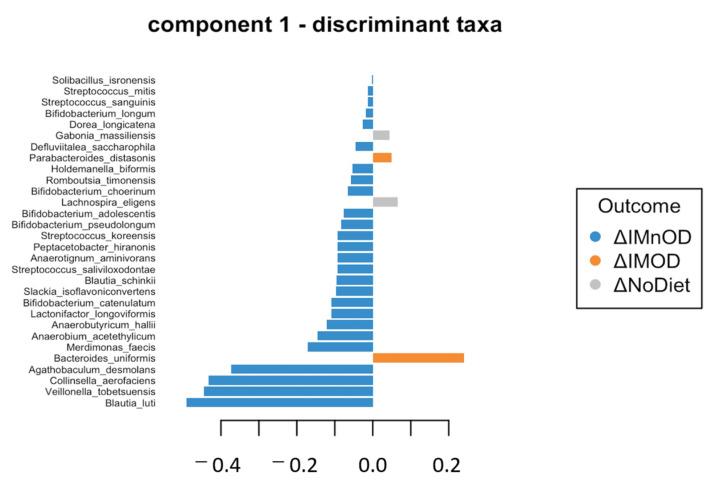
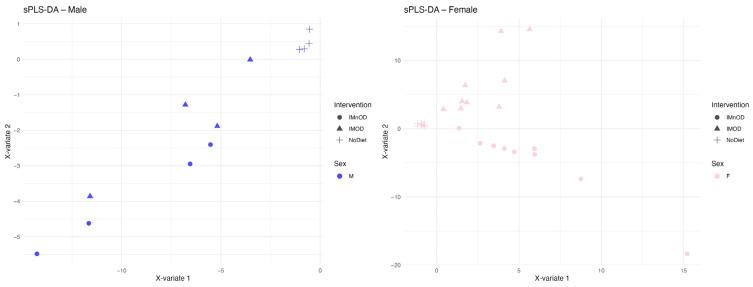
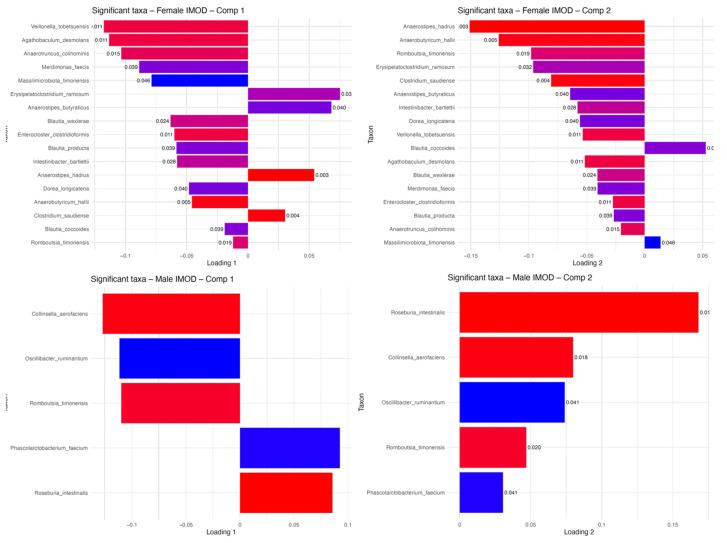
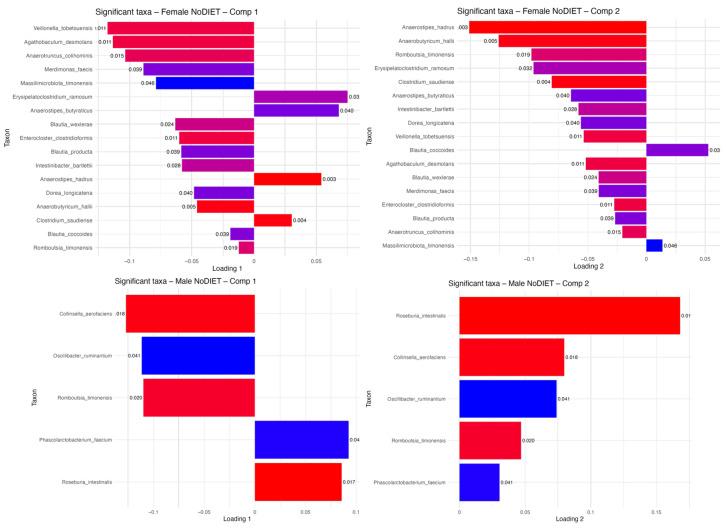
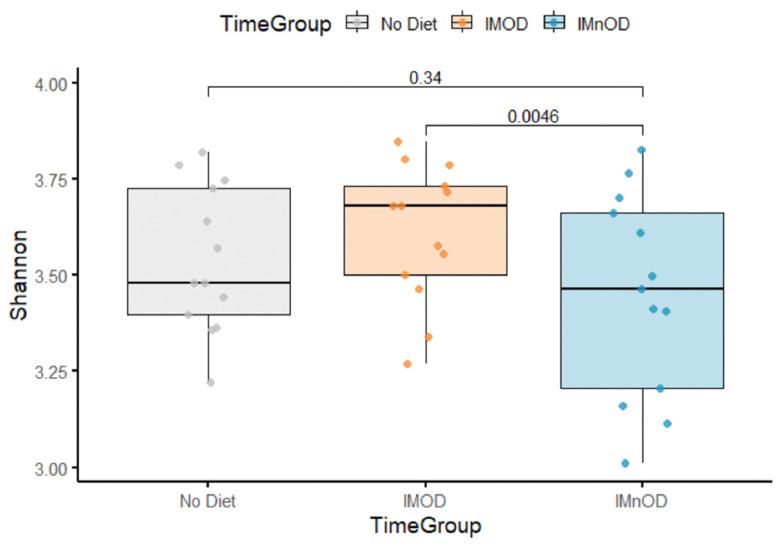
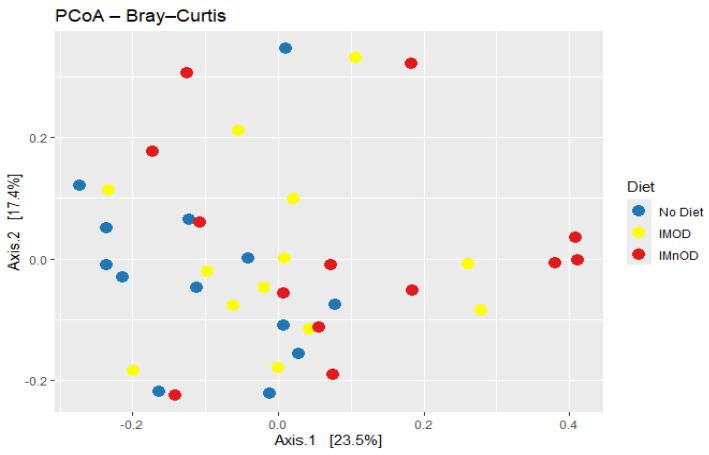
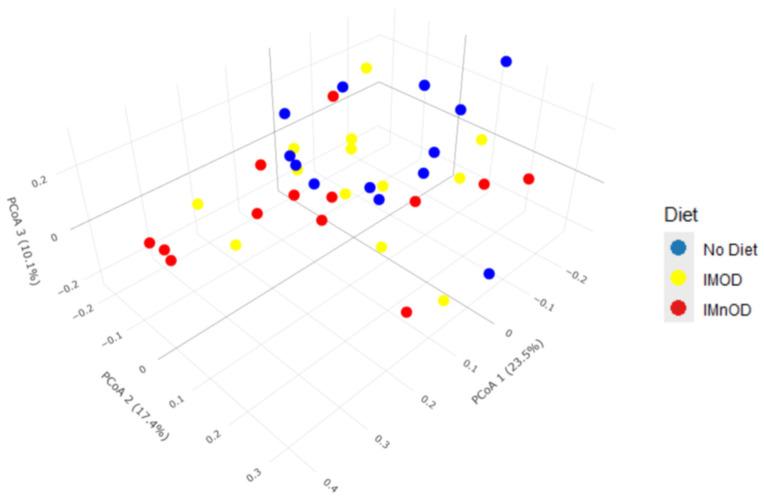
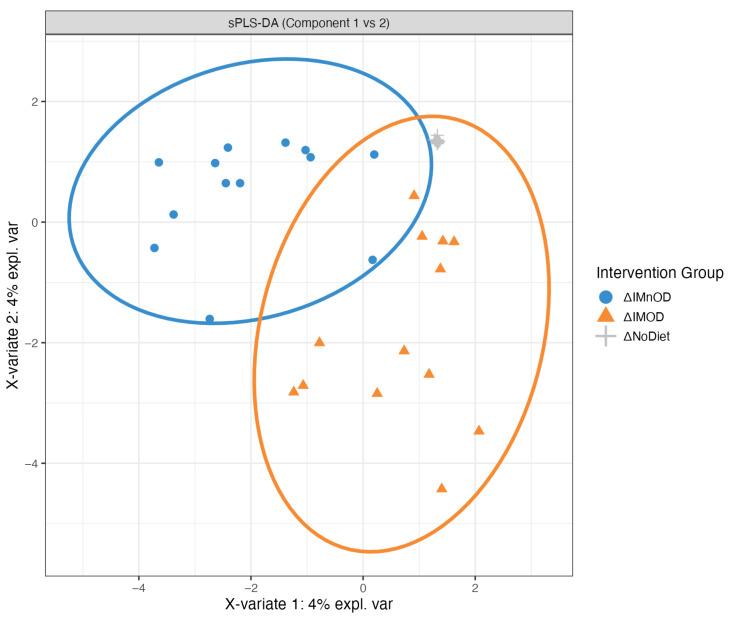
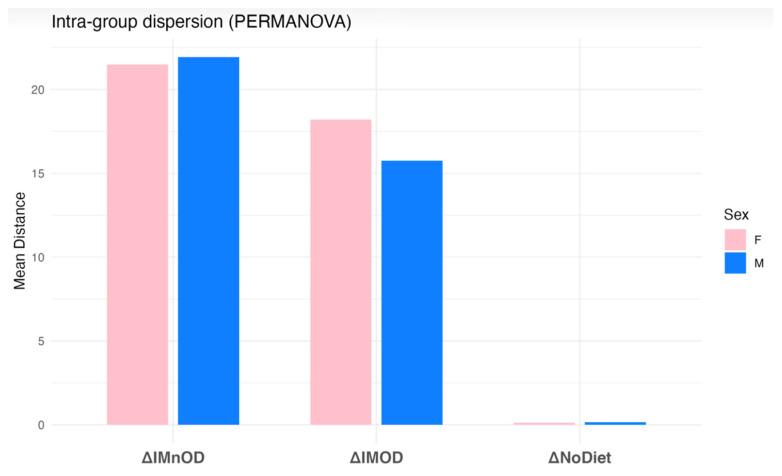
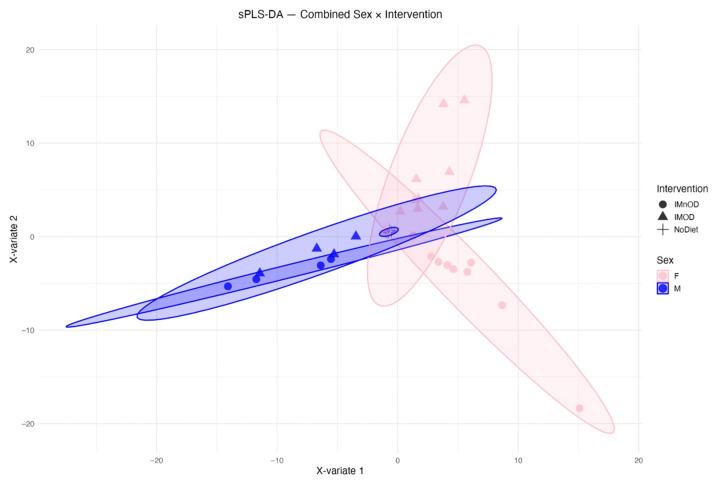
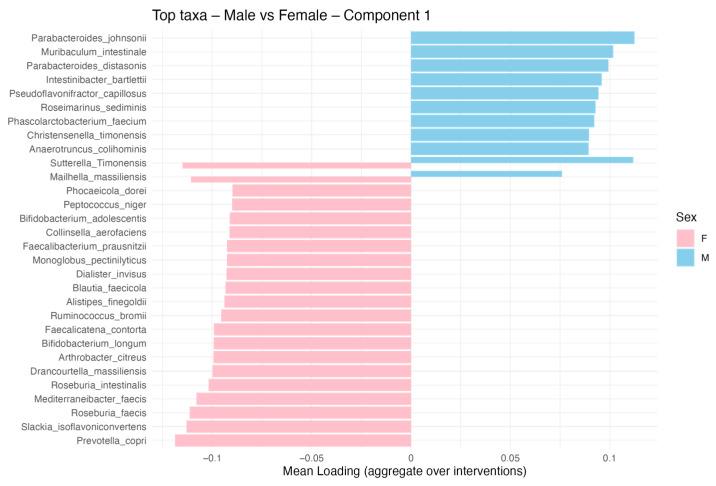
The human exposome, including dietary exposures such as pesticides, additives, and environmental contaminants, plays a critical role in shaping the gut microbiota (GM) and long-term health outcomes. While the Mediterranean Diet is known for its health-promoting effects, the role of food quality, specifically organic vs. conventional products, in modulating GM within this dietary pattern remains underexplored. The aim of this study was to evaluate (1) whether an Italian Mediterranean Organic Diet (IMOD) confers additional benefits compared to an Italian Mediterranean non-Organic Diet (IMnOD), and (2) the impact of IMOD and IMnOD versus a free diet (No Diet) on GM and anthropometric parameters. A randomized, controlled trial was conducted on 39 healthy subjects. Eligible subjects were divided into the following groups: (1) 4 weeks No Diet, (2) 4 weeks IMOD, and (3) 4 weeks IMnOD. Microbiota profiling (16S rRNA sequencing), body composition (BIA), and dietary adherence (MEDAS, FFQ) were evaluated. Distinct microbial shifts following both IMOD and IMnOD compared to No Diet were revealed. Several taxa previously associated with short-chain fatty acid (SCFA) biosynthesis (i.e., , , and ) were increased after both Mediterranean Diet interventions, while showed a specific increase in the IMOD group. No significant changes in body weight or composition were observed. These findings suggest that adherence to a Mediterranean Diet, regardless of food source, reshapes the gut microbiota, while organic food intake may influence specific microbial trajectories. Our results support the relevance of food quality in dietary interventions.
人类暴露组,包括饮食暴露,如农药、添加剂和环境污染物,在塑造肠道微生物群(GM)和长期健康结果方面起着关键作用。虽然地中海饮食以其促进健康的作用而闻名,但食物质量,特别是有机食品与传统食品,在这种饮食模式中调节GM的作用仍未得到充分探索。本研究的目的是评估:(1)与意大利地中海非有机饮食(IMnOD)相比,意大利地中海有机饮食(IMOD)是否具有额外益处;(2)IMOD和IMnOD与自由饮食(无饮食)相比对GM和人体测量参数的影响。对39名健康受试者进行了一项随机对照试验。符合条件的受试者被分为以下几组:(1)4周无饮食组;(2)4周IMOD组;(3)4周IMnOD组。评估了微生物群分析(16S rRNA测序)、身体成分(生物电阻抗分析)和饮食依从性(地中海饮食依从性量表、食物频率问卷)。与无饮食组相比,IMOD和IMnOD后均出现了明显的微生物变化。在地中海饮食干预后,几种先前与短链脂肪酸(SCFA)生物合成相关的分类群(即 、 和 )均增加,而 在IMOD组中出现了特异性增加。未观察到体重或身体成分的显著变化。这些发现表明,坚持地中海饮食,无论食物来源如何,都会重塑肠道微生物群,而有机食物的摄入可能会影响特定的微生物轨迹。我们的结果支持了食物质量在饮食干预中的相关性。



 Zotero 插件