
用银、锌和铜纳米团簇激活的纳米线聚合物的合成与抗病毒活性
Synthesis and Antiviral Activity of Nanowire Polymers Activated with Ag, Zn, and Cu Nanoclusters.
作者信息
Thomberg Thomas, Bulgarin Hanna, Lust Andres, Nerut Jaak, Romann Tavo, Lust Enn
机构信息
Institute of Chemistry, University of Tartu, Ravila 14a, 50411 Tartu, Estonia.
Institute of Pharmacy, University of Tartu, Nooruse 1, 50411 Tartu, Estonia.
出版信息
Pharmaceutics. 2025 Jul 6;17(7):887. doi: 10.3390/pharmaceutics17070887.
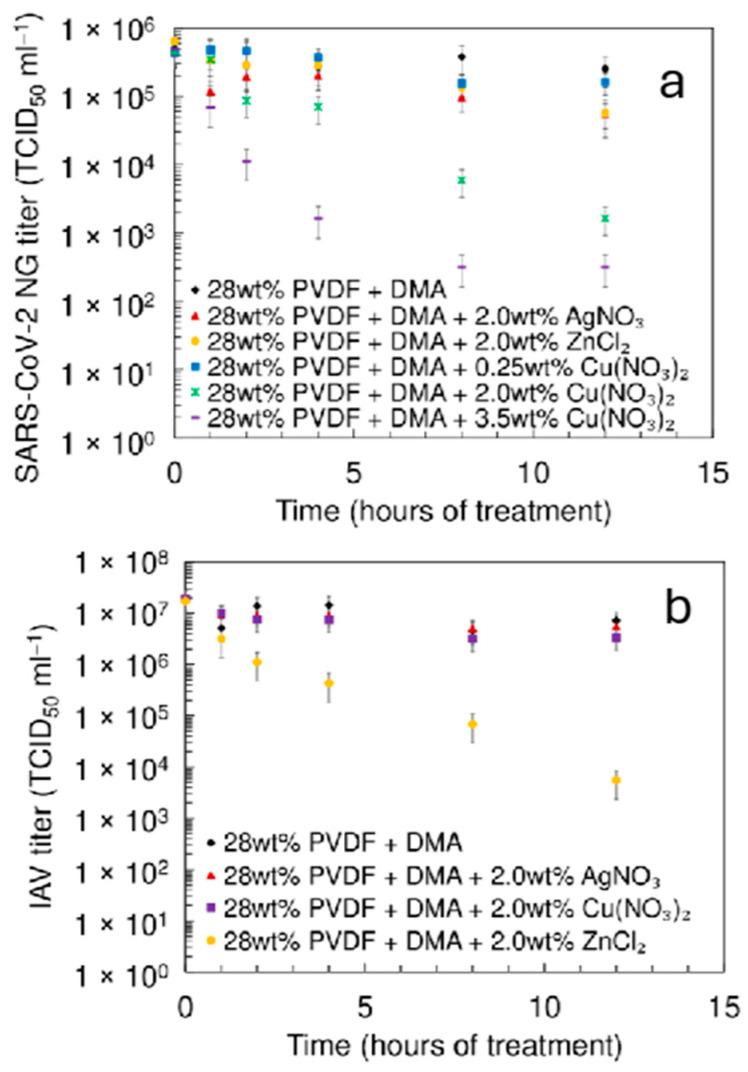
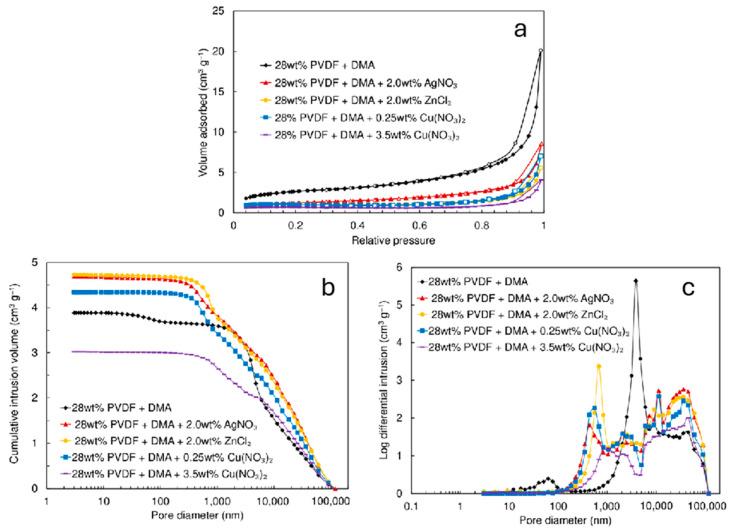
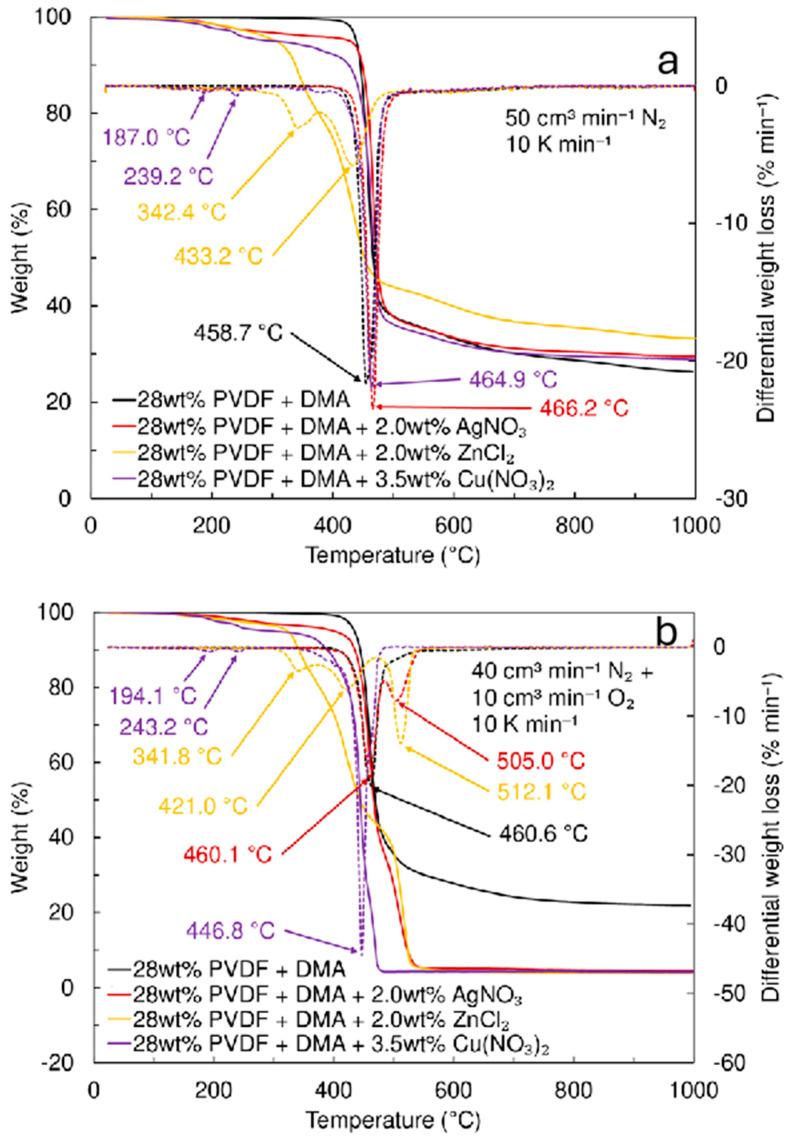
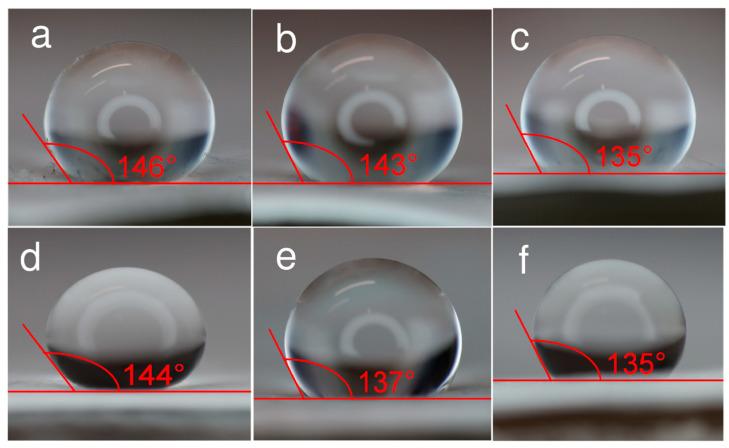
Airborne viral diseases pose a health risk, due to which there is a growing interest in developing filter materials capable of capturing fine particles containing virions from the air and that also have a virucidal effect. Nanofiber membranes made of poly(vinylidene fluoride) dissolved in N,N-dimethylacetamide and functionalized with copper, silver, and zinc nanoclusters were fabricated via electrospinning. This study aims to evaluate and compare the virucidal effects of nanofibers functionalized with metal nanoclusters against the human A/WSN/1933 (H1N1) and . A comprehensive characterization of materials, including X-ray diffraction, scanning electron microscopy, microwave plasma atomic emission spectroscopy, thermogravimetric analysis, contact angle measurements, nitrogen sorption analysis, mercury intrusion porosimetry, filtration efficiency, and virucidal tests, was used to understand the interdependence of the materials' physical characteristics and biological effects, as well as to determine their suitability for application as antiviral materials in air filtration systems. All the filter materials tested demonstrated very high particle filtration efficiency (≥98.0%). The material embedded with copper nanoclusters showed strong virucidal efficacy against the alpha variant, achieving an approximately 1000-fold reduction in infectious virions within 12 h. The fibrous nanowire polymer functionalized with zinc nanoclusters was the most effective material against the human strain A/WSN/1933 (H1N1). The materials with Cu nanoclusters can be used with high efficiency to passivate and kill the alpha variant virions, and Zn nanoclusters modified activated porous membranes for killing human A7WSN/1933 (H1N1) virions.
空气传播的病毒性疾病对健康构成风险,因此人们对开发能够从空气中捕获含有病毒粒子的细颗粒且具有杀病毒作用的过滤材料的兴趣日益浓厚。通过静电纺丝制备了由溶解在N,N - 二甲基乙酰胺中的聚偏氟乙烯制成并用铜、银和锌纳米簇功能化的纳米纤维膜。本研究旨在评估和比较用金属纳米簇功能化的纳米纤维对人类A/WSN/1933(H1N1)和……的杀病毒效果。对材料进行了全面表征,包括X射线衍射、扫描电子显微镜、微波等离子体原子发射光谱、热重分析、接触角测量、氮吸附分析、压汞孔隙率测定、过滤效率和杀病毒测试,以了解材料物理特性与生物学效应之间的相互依存关系,并确定它们作为空气过滤系统中抗病毒材料的适用性。所有测试的过滤材料均表现出非常高的颗粒过滤效率(≥98.0%)。嵌入铜纳米簇的材料对α变体显示出强大的杀病毒效力,在12小时内使感染性病毒粒子减少约1000倍。用锌纳米簇功能化的纤维状纳米线聚合物是对抗人类A/WSN/1933(H1N1)毒株最有效的材料。含铜纳米簇的材料可高效用于钝化和杀死α变体病毒粒子,而锌纳米簇改性的活性多孔膜可用于杀死人类A7WSN/1933(H1N i)病毒粒子。

 Zotero 插件