
舒洛培南在单纯性尿路感染治疗中的作用:一项系统评价和荟萃分析。
The Role of Sulopenem in the Treatment of Uncomplicated Urinary Tract Infections: A Systematic Review and Meta-Analysis.
作者信息
La Quang D, La Han B, Pryor Francis, Rajpoot Noor, Sadiq Noman
机构信息
Medicine, The Innovative STEMagazine, College Station, USA.
Medicine, Texas A&M College of Medicine, Bryan, USA.
出版信息
Cureus. 2025 Jun 30;17(6):e87052. doi: 10.7759/cureus.87052. eCollection 2025 Jun.
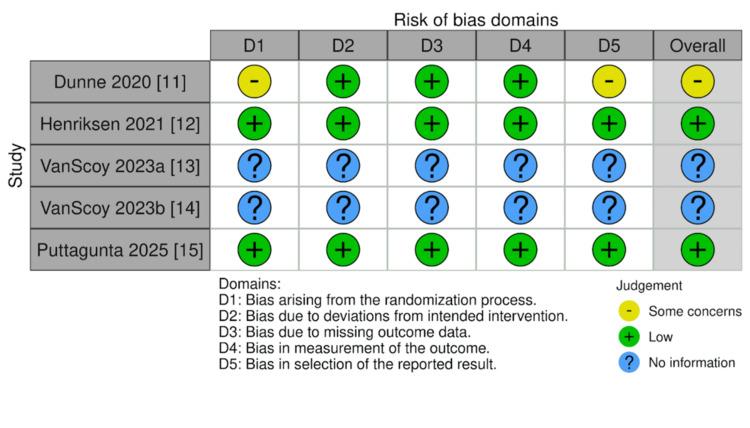
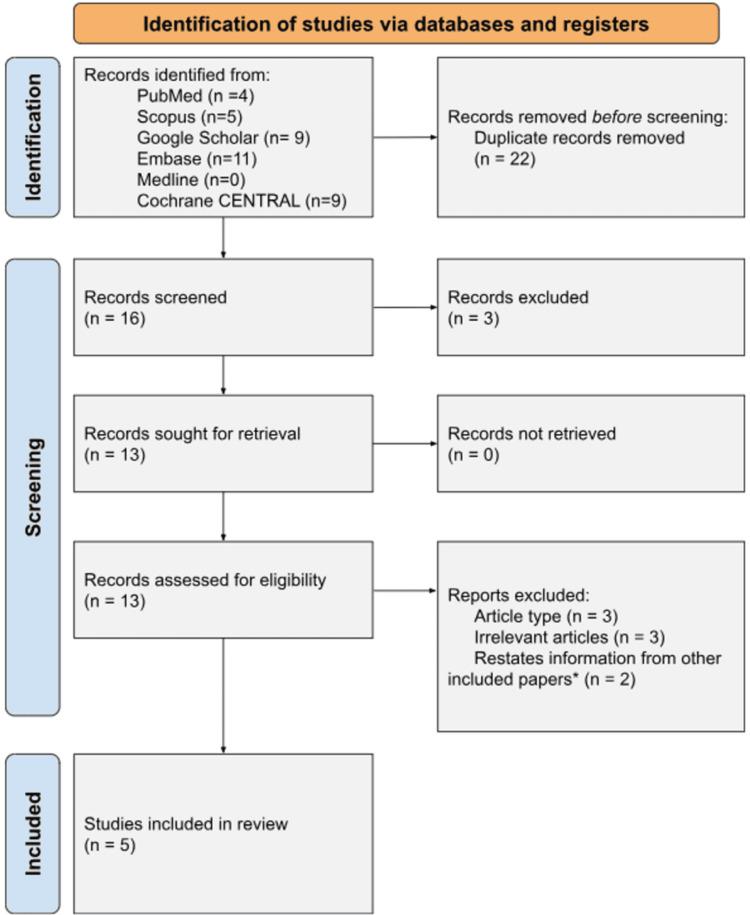
Uncomplicated urinary tract infections (uUTIs) rank as one of the most frequent bacterial infections, particularly in females, and antimicrobial resistance is complicating the situation more and more. So, first-line agents such as nitrofurantoin and trimethoprim-sulfamethoxazole are losing their beneficial effects. There is an urgent call for new therapies due to the very alarming global rise of extended-spectrum β-lactamase-producing bacterial isolates. Sulopenem is a new antibiotic of the penem series available for both intravenous and oral administration, a potential candidate against multidrug-resistant Gram-negative organisms. It offers anti-β-lactamase stability, oral activity, and possible hospitalization duration reduction, hence, making it the best option for consideration. This article conducts a review of the evidence surrounding sulopenem regarding efficacy, safety, and resistance mechanisms. According to Preferred Reporting Items for Systematic Reviews and Meta-Analyses (PRISMA) guidelines, clinical trials were searched in databases, including PubMed, Scopus, Embase, Medline, and the Cochrane Library. Five studies were selected that include randomized trials, comparative effectiveness research, and pharmacokinetic/pharmacodynamic (PK/PD) modeling studies. Main outcomes were microbiological cure, resolution of symptoms, recurrence of clinical symptoms, and adverse events. Sulopenem was either non-inferior or superior to comparators in important subgroups. Ciprofloxacin-resistant infections showed better test-of-cure results with sulopenem, 62.6% versus 35.0%. Sulopenem/probenecid was equal or superior to amoxicillin/clavulanate, including among resistant strains. PK/PD modeling confirmed bactericidal concentrations for a sustained duration.
单纯性尿路感染(uUTIs)是最常见的细菌感染之一,在女性中尤为常见,而抗菌药物耐药性使情况日益复杂。因此,呋喃妥因和复方新诺明等一线药物正在失去其有益效果。由于产超广谱β-内酰胺酶细菌分离株在全球范围内惊人地增加,迫切需要新的治疗方法。舒洛培南是一种新型青霉烯类抗生素,可静脉注射和口服,是对抗多重耐药革兰氏阴性菌的潜在候选药物。它具有抗β-内酰胺酶稳定性、口服活性,并可能缩短住院时间,因此,使其成为最佳的考虑选择。本文对舒洛培南在疗效、安全性和耐药机制方面的证据进行了综述。根据系统评价和Meta分析的首选报告项目(PRISMA)指南,在包括PubMed、Scopus、Embase、Medline和Cochrane图书馆在内的数据库中检索了临床试验。选择了五项研究,包括随机试验、比较有效性研究和药代动力学/药效学(PK/PD)建模研究。主要结果是微生物学治愈、症状缓解、临床症状复发和不良事件。在重要亚组中,舒洛培南不劣于或优于对照药物。对环丙沙星耐药的感染使用舒洛培南的治疗效果更好,治愈率分别为62.6%和35.0%。舒洛培南/丙磺舒等同于或优于阿莫西林/克拉维酸,包括在耐药菌株中。PK/PD建模证实了杀菌浓度的持续时间。


 Zotero 插件