
全基因组关联图谱绘制与转录分析揭示了水稻种子中生育三烯酚的遗传决定因素。
Genome-wide association mapping and transcriptional analysis uncover genetic determinants of minor tocopherols in rice seeds.
作者信息
Kazemzadeh Sara, Farrokhi Naser, Ahmadikhah Asadollah, Ingvarsson Pär K, Heydar Kourosh Tabar
机构信息
Department of Cell and Molecular Biology, Faculty of Life Sciences & Biotechnology, Shahid Beheshti University, Tehran, Iran.
Department of Plant Biology, Swedish University of Agricultural Sciences, Uppsala, Sweden.
出版信息
Sci Rep. 2025 Aug 5;15(1):28530. doi: 10.1038/s41598-025-14473-3.
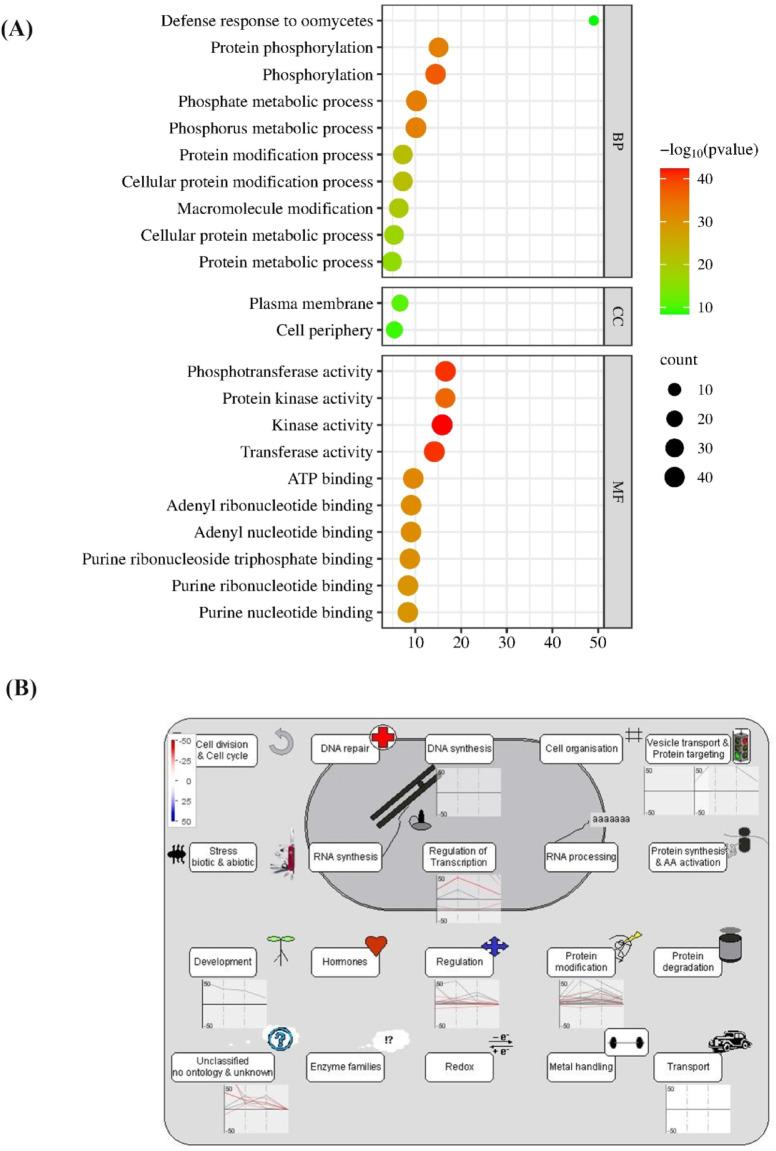
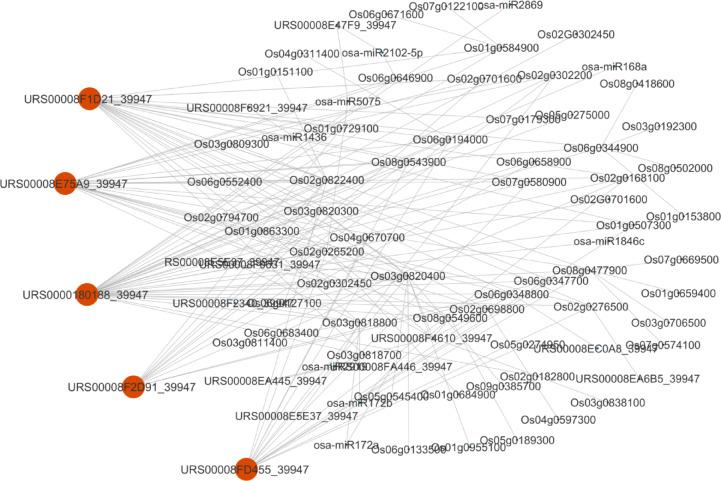
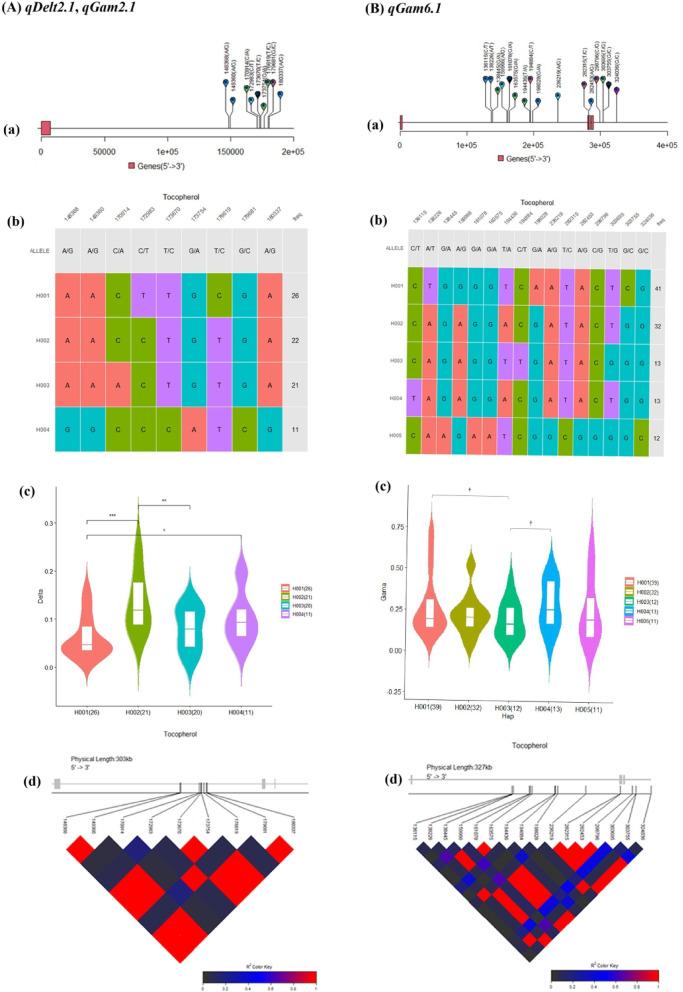
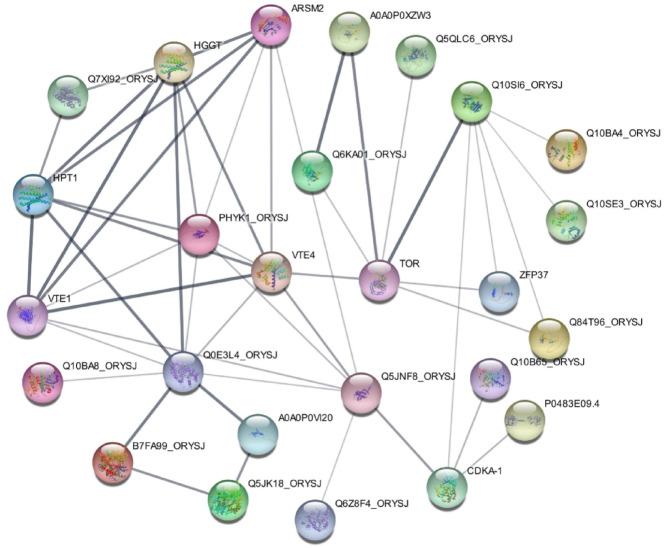
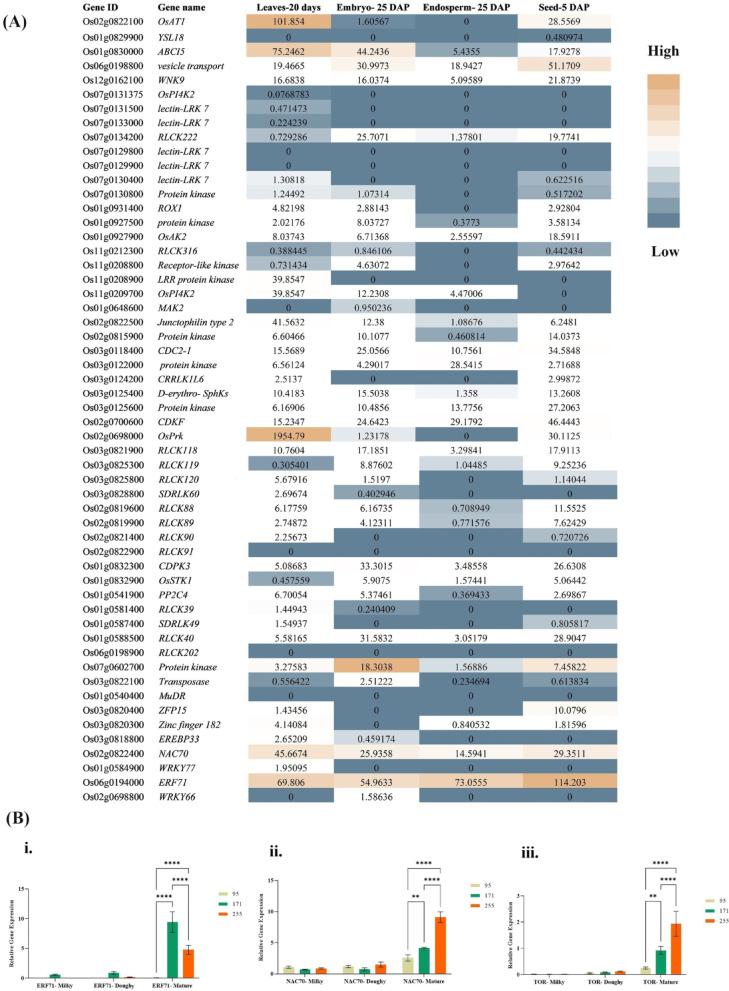
Despite the nutritional importance of tocopherols, current knowledge of the genetic architecture underlying the accumulation of minor tocopherols-gamma (γ) and delta (δ)-in rice (Oryza sativa L.) grains remains limited. In this study, we investigated the genetic basis of γ- and δ-tocopherol contents in rice using a genome-wide association study (GWAS) and post-GWAS analysis. Accordingly, 34,323 SNP markers were obtained from 179 genotypically diverse accessions of O. sativa. Minor tocopherol contents had a strong positive correlation (r = 0.76) with each other and varied greatly across the accessions: 0.015-1.74 and 0.005-0.81 (µg/g) for γ and δ, respectively. A total of 18 QTL on nine rice chromosomes were mapped. Eight transcription factor (TF) genes, five lncRNAs, and two transposons were found to be associated with the QTL. Moreover, three intracellular transport proteins were identified as associated genes with γ-tocopherol on chromosomes 1, 2, and 6. Protein kinases seem to have a substantiative function in defining the minor tocopherol contents, as they were associated with all 18 identified QTL. Haplotype analysis revealed that the QTL, namely qDelt2.1, qGam2.1, and qGam6.1, can maintain significant haplogroups. Comparative transcript analysis between high and low-content minor tocopherols demonstrated the possible involvement of ERF71 (Os06g0194000), TOR (Os05g0235300) and NAC70 (Os02g0822400) in defining the minor tocopherol contents in rice. Identified candidate genes in this study could be used in breeding programs to develop rice cultivars with high and beneficial levels of seed tocopherol contents.
尽管生育酚具有重要的营养意义,但目前对于水稻(Oryza sativa L.)籽粒中微量生育酚——γ-生育酚和δ-生育酚积累的遗传结构的了解仍然有限。在本研究中,我们利用全基因组关联研究(GWAS)和GWAS后分析,对水稻中γ-和δ-生育酚含量的遗传基础进行了研究。据此,从179份基因型多样的栽培稻中获得了34323个单核苷酸多态性(SNP)标记。微量生育酚含量之间具有很强的正相关性(r = 0.76),且在不同材料间差异很大:γ-生育酚和δ-生育酚的含量分别为0.015 - 1.74和0.005 - 0.81(μg/g)。在水稻的9条染色体上共定位到18个数量性状位点(QTL)。发现8个转录因子(TF)基因、5个长链非编码RNA(lncRNA)和2个转座子与这些QTL相关。此外,在第1、2和6号染色体上鉴定出3种细胞内转运蛋白为与γ-生育酚相关的基因。蛋白激酶似乎在确定微量生育酚含量方面具有重要作用,因为它们与所有18个已鉴定的QTL相关。单倍型分析表明,qDelt2.1、qGam2.1和qGam6.1等QTL能够维持显著的单倍型组。高、低含量微量生育酚之间的比较转录组分析表明,ERF71(Os06g0194000)、TOR(Os05g0235300)和NAC70(Os02g0822400)可能参与了水稻中微量生育酚含量的调控。本研究中鉴定出的候选基因可用于育种计划,以培育种子生育酚含量高且有益的水稻品种。


 Zotero 插件