
铁死亡:急性呼吸窘迫综合征发病机制中的关键驱动因素和治疗靶点。
Ferroptosis: a key driver and therapeutic target in the pathogenesis of acute respiratory distress syndrome.
作者信息
Yao Mingjun, Liao Jinfeng, Liu Zheng, Zhao Wei, Song Siyuan, Huang Xiaobo, Wang Yi
机构信息
School of Medicine, University of Electronic Science and Technology of China, Chengdu, China.
Department of Dermatology, Sichuan Provincial People's Hospital, University of Electronic Science and Technology of China, Chengdu, Sichuan, China.
出版信息
Front Immunol. 2025 Jul 22;16:1567980. doi: 10.3389/fimmu.2025.1567980. eCollection 2025.
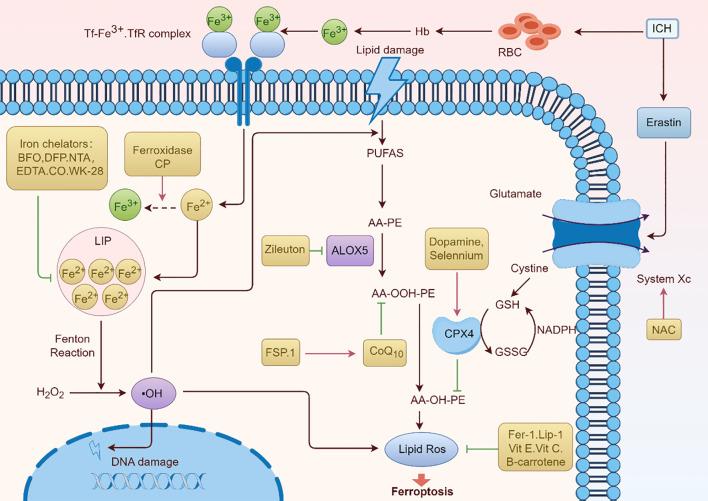
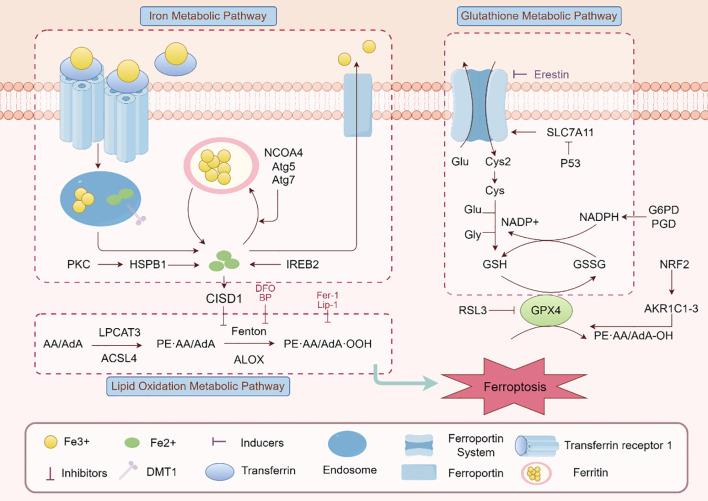
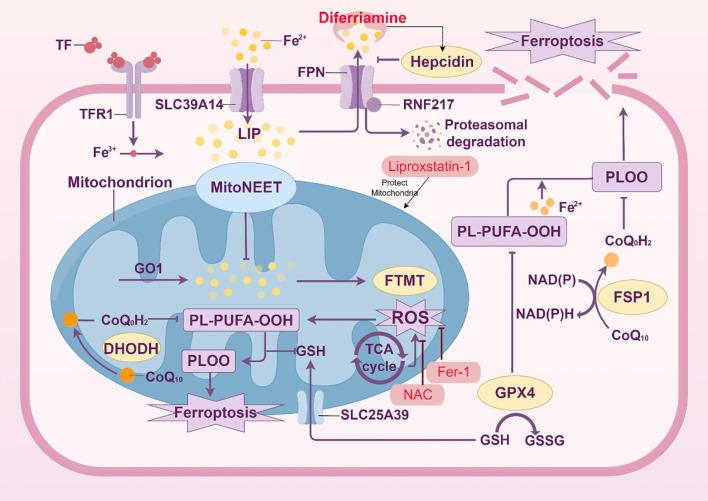
Acute Respiratory Distress Syndrome (ARDS) is a severe inflammatory lung condition often triggered by infections or sepsis, characterized by diffuse alveolar damage, pulmonary edema, and impaired gas exchange. Despite advances in supportive care, ARDS continues to have a high mortality rate. The pathogenesis of ARDS involves an exaggerated immune response leading to tissue damage and inflammation. Regulatory cell death pathways, particularly ferroptosis, an iron-dependent form of cell death driven by lipid peroxidation and oxidative stress, play a critical role in ARDS progression. Ferroptosis is characterized by the accumulation of lipid peroxides and is regulated by enzymes such as glutathione peroxidase 4 (GPX4) and the system Xc- antiporter. Dysregulation of these pathways exacerbates oxidative stress and tissue damage in ARDS. In the context of ARDS, ferroptosis contributes to the destruction of alveolar and endothelial cells, leading to increased vascular permeability, pulmonary edema, and impaired gas exchange. Immune cells like macrophages and neutrophils, while essential for pathogen clearance, can also contribute to lung injury when overactivated, highlighting the need for therapeutic strategies to modulate ferroptosis. Therapeutic targeting of ferroptosis in ARDS includes the use of antioxidants, GPX4 activators, iron chelators, and inhibitors of lipid peroxidation. These approaches aim to reduce oxidative stress, restore antioxidant defenses, and prevent iron-driven cell death. Future research must address challenges in identifying reliable biomarkers, understanding subphenotype-specific mechanisms, and integrating ferroptosis inhibitors into existing therapeutic frameworks. By targeting ferroptosis, it may be possible to mitigate ARDS severity and improve patient outcomes, offering new hope for the management of this devastating condition.
急性呼吸窘迫综合征(ARDS)是一种严重的肺部炎症性疾病,通常由感染或脓毒症引发,其特征为弥漫性肺泡损伤、肺水肿以及气体交换受损。尽管在支持性治疗方面取得了进展,但ARDS的死亡率仍然很高。ARDS的发病机制涉及过度的免疫反应,导致组织损伤和炎症。调节性细胞死亡途径,特别是铁死亡,一种由脂质过氧化和氧化应激驱动的铁依赖性细胞死亡形式,在ARDS进展中起关键作用。铁死亡的特征是脂质过氧化物的积累,并受谷胱甘肽过氧化物酶4(GPX4)和系统Xc-反向转运体等酶的调节。这些途径的失调会加剧ARDS中的氧化应激和组织损伤。在ARDS的背景下,铁死亡会导致肺泡和内皮细胞的破坏,导致血管通透性增加、肺水肿和气体交换受损。巨噬细胞和中性粒细胞等免疫细胞虽然对病原体清除至关重要,但过度激活时也会导致肺损伤,这凸显了调节铁死亡的治疗策略的必要性。在ARDS中针对铁死亡的治疗靶点包括使用抗氧化剂、GPX4激活剂、铁螯合剂和脂质过氧化抑制剂。这些方法旨在减少氧化应激、恢复抗氧化防御并防止铁驱动的细胞死亡。未来的研究必须应对识别可靠生物标志物、理解亚表型特异性机制以及将铁死亡抑制剂纳入现有治疗框架等挑战。通过靶向铁死亡,有可能减轻ARDS的严重程度并改善患者预后,为这种毁灭性疾病的治疗带来新的希望。



 Zotero 插件