
基于基因表达微阵列分析识别出的核心驱动基因集揭示了其在泛癌中的潜在驱动机制。
A core driver gene set identified based on geMER reveals its potential driver mechanism in pan-cancer.
作者信息
Gan Jing, Wang Yuncong, Shi Zhuoran, Hu Haoyu, Xu Manyi, Li Xinrong, Dong Wenbo, He Jiaheng, Zhao Yusen, Zhang Yakun, Sun Yue, Zhang Caiyu, Lu Qianyi, Ning Shangwei, Jin Yan, Zhi Hui
机构信息
College of Bioinformatics Science and Technology, Harbin Medical University, Harbin, Heilongjiang, China.
The Second Affiliated Hospital of Harbin Medical University, Harbin, Heilongjiang, China.
出版信息
NPJ Precis Oncol. 2025 Aug 9;9(1):278. doi: 10.1038/s41698-025-01060-y.
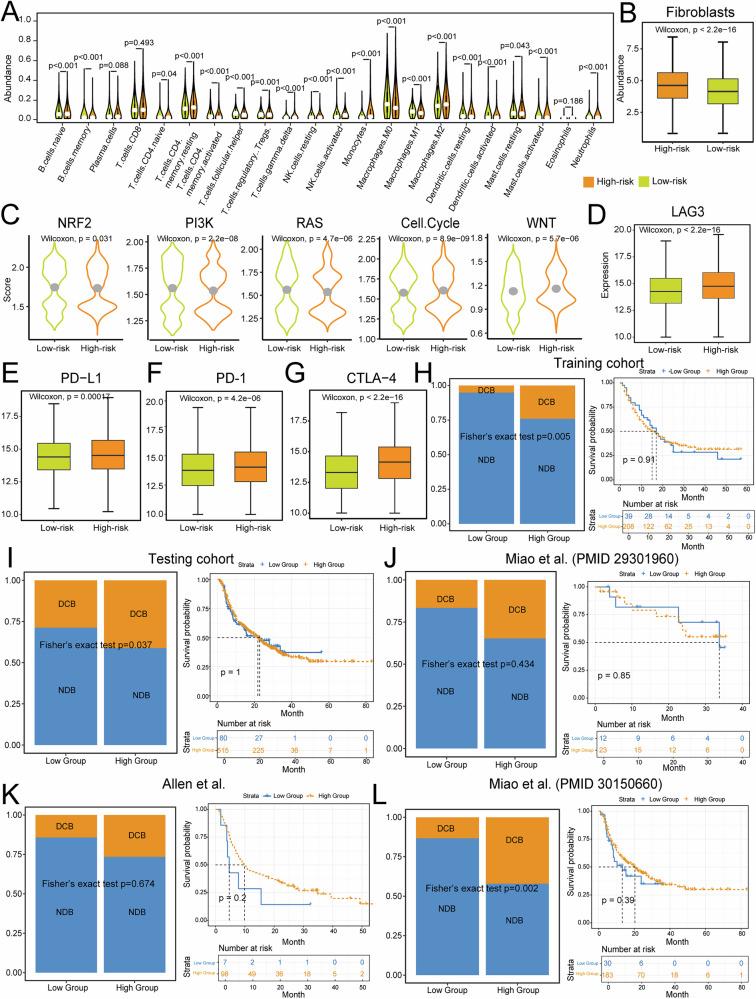
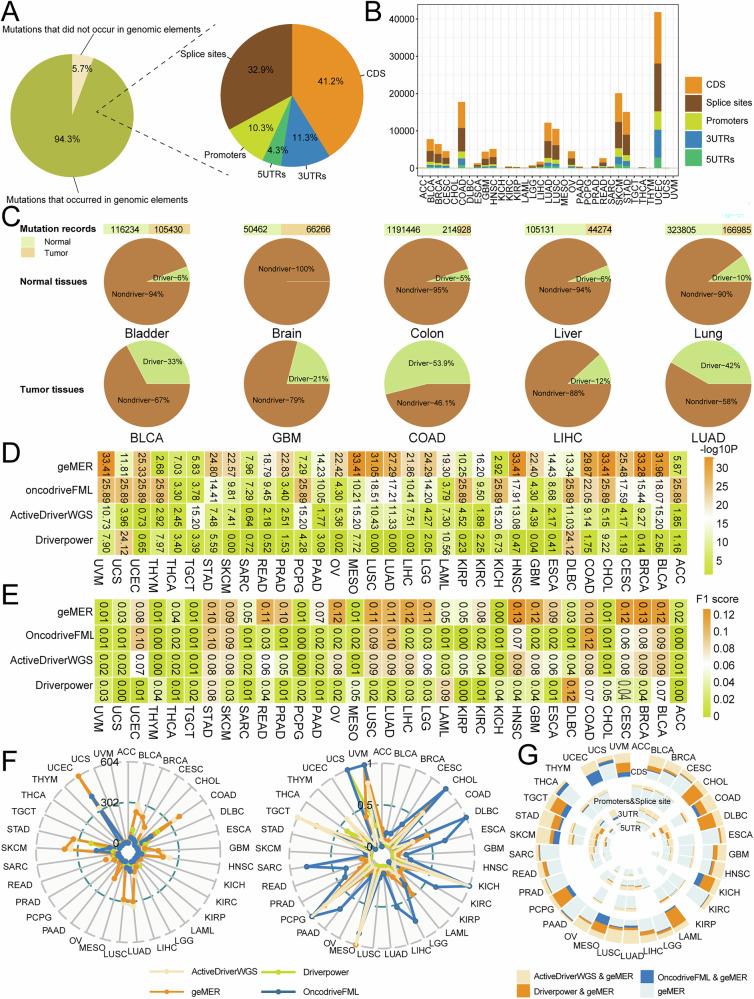
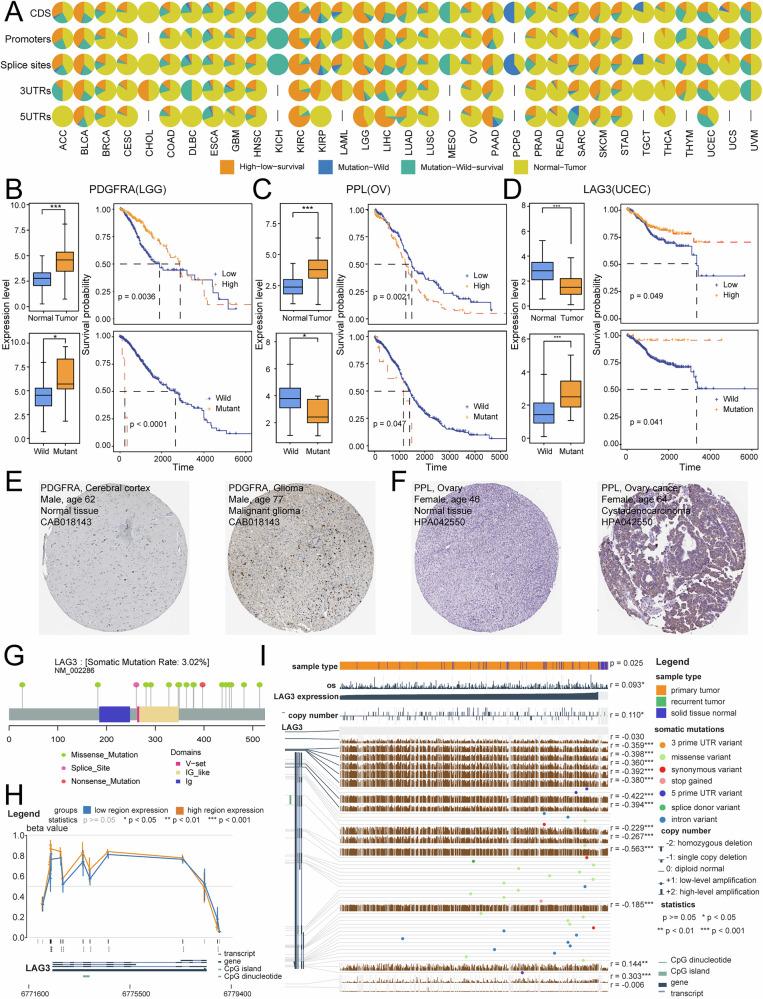
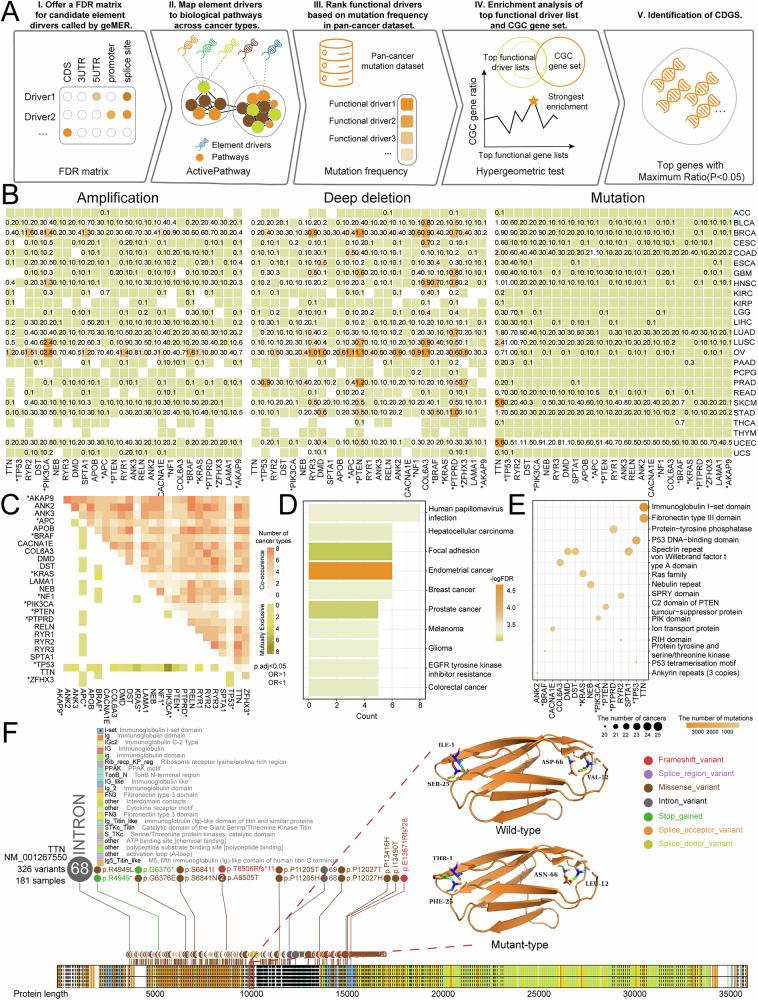
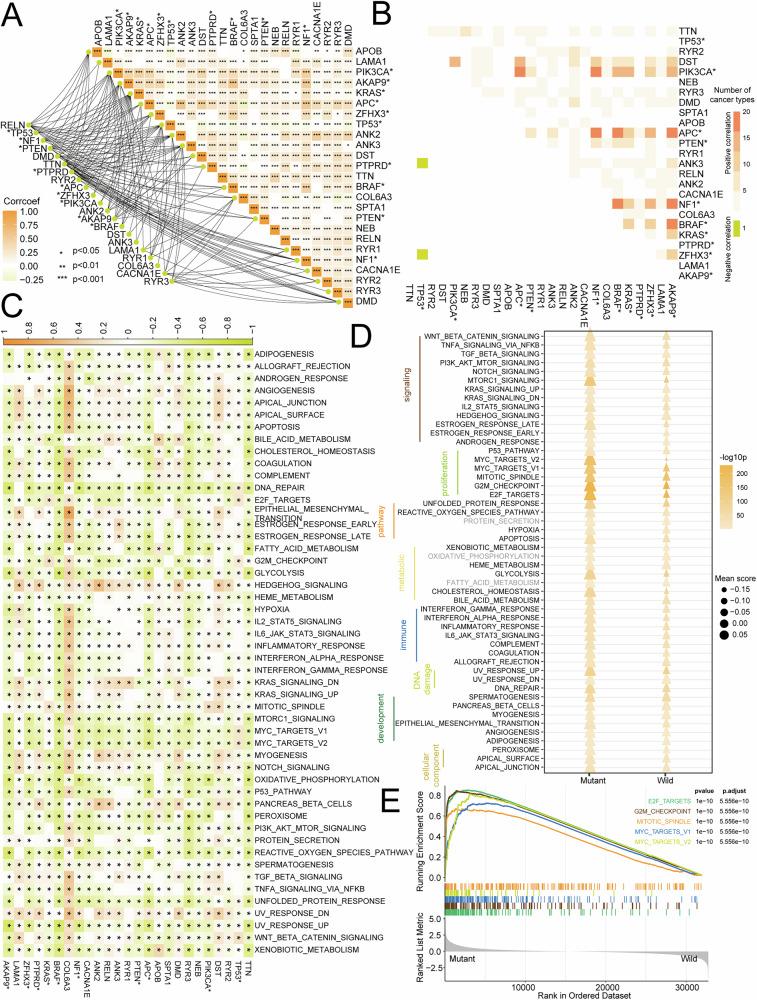
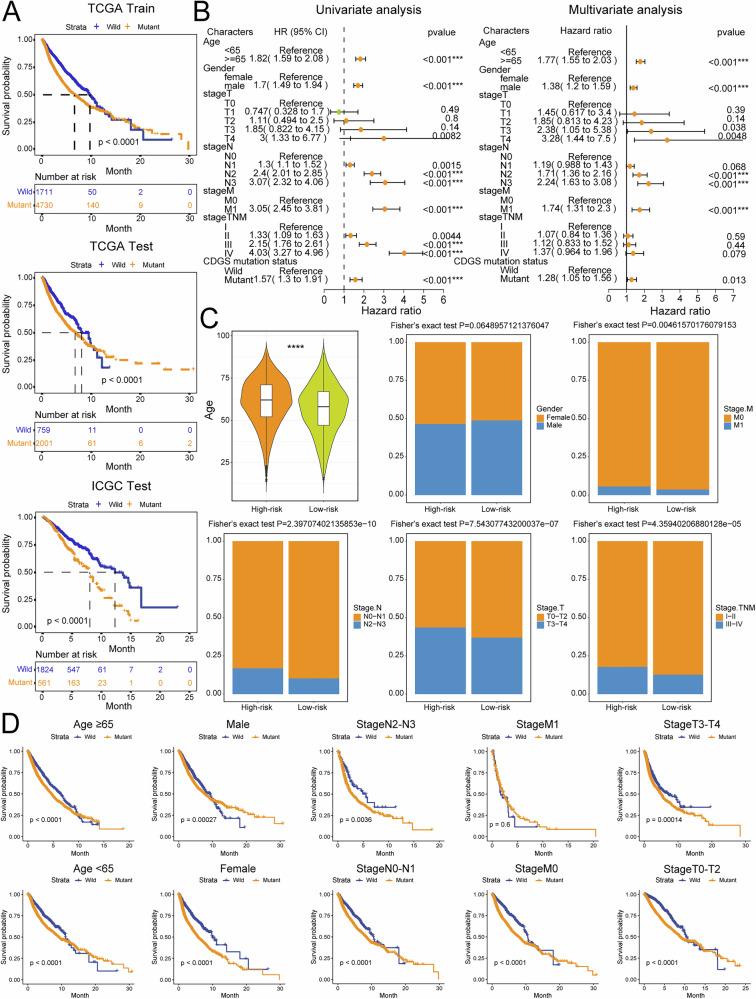
Increasing evidence underscores the driving role of coding and non-coding variants in cancer development. Analyzing gene sets in biological processes offers deeper insights into the molecular mechanisms of carcinogenesis. Here, we developed geMER to identify candidate driver genes genome-wide by detecting mutation enrichment regions within coding and non-coding elements. We subsequently designed a pipeline to identify a core driver gene set (CDGS) that broadly promotes carcinogenesis across multiple cancers. CDGS comprising 25 genes for 25 cancers displayed instability in DNA aberrations. Variants within the TTN enrichment region may influence the folding of the I-set domain by altering local polarity or side-chain chemistry properties of amino acids, potentially disrupting its antigen-binding capacity in LUAD. Multi-omics analysis revealed that APOB emerged as a candidate oncogene in LIHC, whose genetic alterations within the enrichment region may activate key TFs, upregulate DNA methylation levels, modulate critical histone modifications, and enhance transcriptional activity in the HepG2 and A549 cell lines compared to Panc1. Additionally, CDGS mutation status was an independent prognostic factor for the pan-cancer cohort. High-risk patients tended to develop an immunosuppressive microenvironment and demonstrated a higher likelihood of responding to ICI therapy. Finally, we provided a user-friendly web interface to explore candidate driver genes using geMER ( http://bio-bigdata.hrbmu.edu.cn/geMER/ ).
越来越多的证据强调了编码和非编码变异在癌症发展中的驱动作用。分析生物过程中的基因集能更深入地了解致癌作用的分子机制。在此,我们开发了geMER,通过检测编码和非编码元件内的突变富集区域,在全基因组范围内识别候选驱动基因。随后,我们设计了一个流程来识别一个核心驱动基因集(CDGS),该基因集广泛促进多种癌症的致癌作用。包含25种癌症的25个基因的CDGS在DNA畸变中表现出不稳定性。TTN富集区域内的变异可能通过改变氨基酸的局部极性或侧链化学性质来影响I-set结构域的折叠,从而可能破坏其在肺腺癌中的抗原结合能力。多组学分析显示,APOB在肝癌中成为候选癌基因,与Panc1相比,其在富集区域内的基因改变可能激活关键转录因子,上调DNA甲基化水平,调节关键组蛋白修饰,并增强HepG2和A549细胞系中的转录活性。此外,CDGS突变状态是泛癌队列的独立预后因素。高危患者倾向于发展出免疫抑制微环境,并且对免疫检查点抑制剂(ICI)治疗有更高的反应可能性。最后,我们提供了一个用户友好的网络界面,使用geMER来探索候选驱动基因(http://bio-bigdata.hrbmu.edu.cn/geMER/)。


 Zotero 插件