
用于癌症免疫治疗的小分子靶向蛋白质降解
Targeted protein degradation with small molecules for cancer immunotherapy.
作者信息
Yang Zichao, Xu Jianwei, Yang Xixiang, Chen Jianjun
机构信息
Guangdong Provincial Key Laboratory of New Drug Screening, NMPA Key Laboratory for Research and Evaluation of Drug Metabolism, School of Pharmaceutical Sciences, Southern Medical University, Guangzhou 510515, China.
出版信息
Asian J Pharm Sci. 2025 Aug;20(4):101058. doi: 10.1016/j.ajps.2025.101058. Epub 2025 Apr 22.
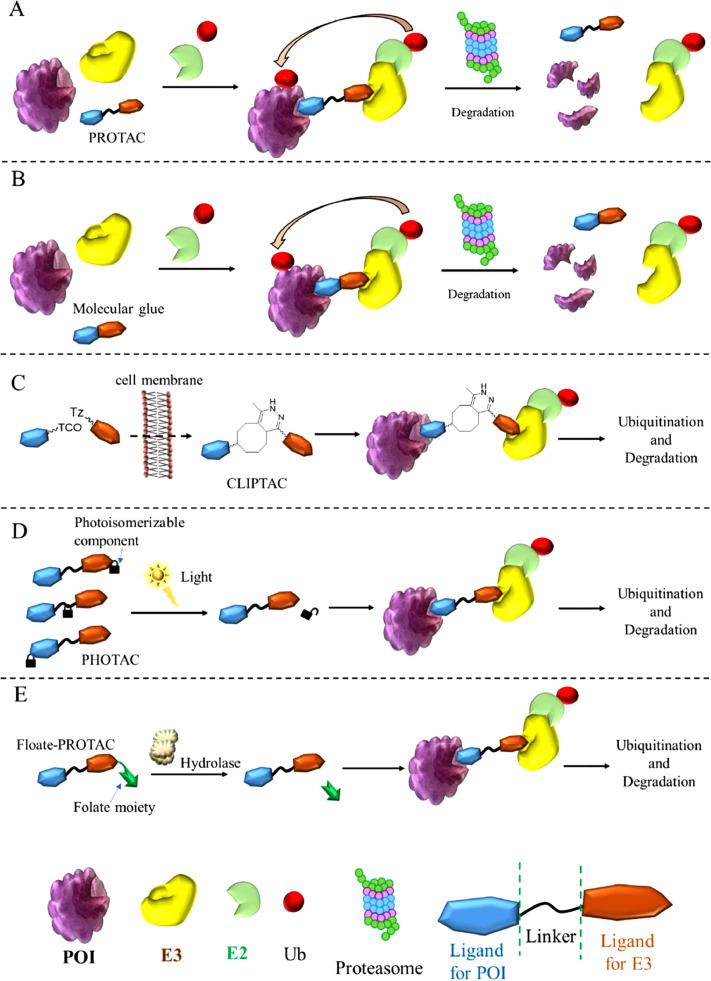
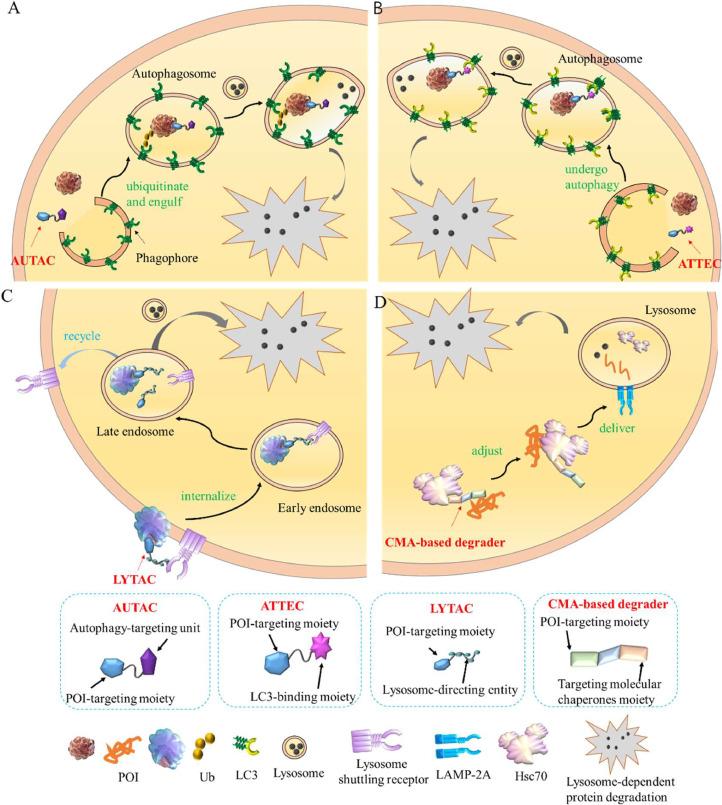
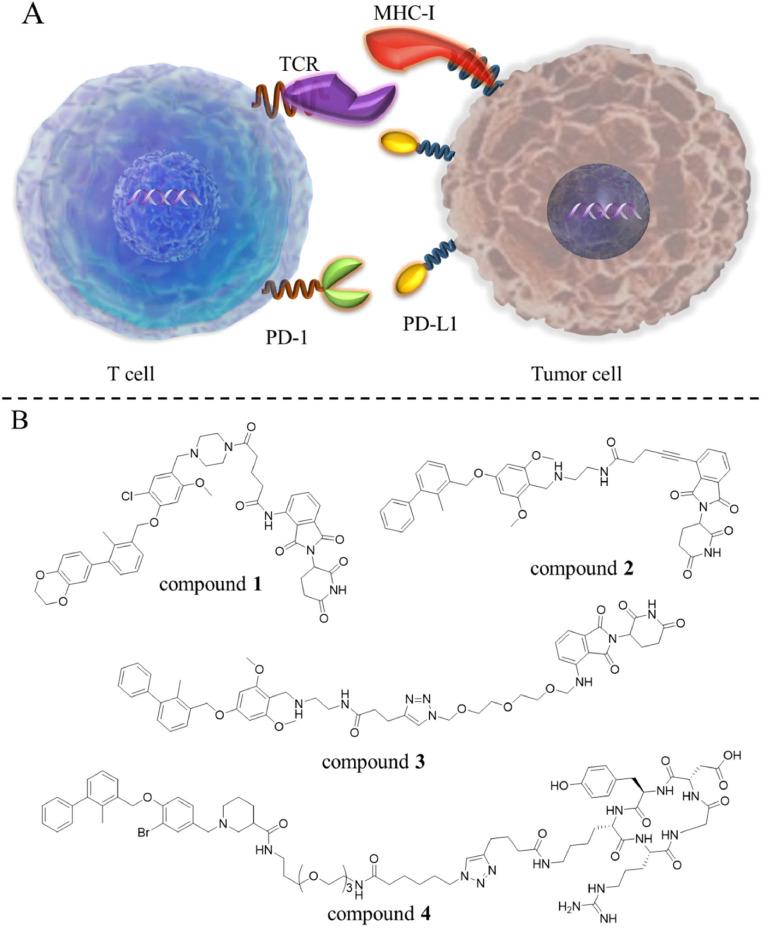
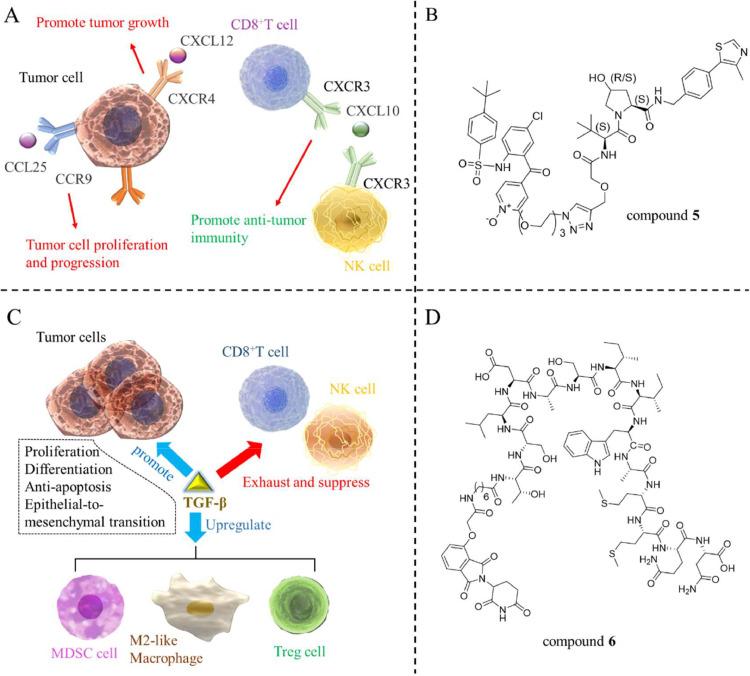
Immunotherapy has transformed cancer treatment, marked by the approval of numerous antibody-based drugs. However, the limitations of antibodies in pharmacokinetics including long half-lives, limited oral bioavailability and immunogenicity, have prompted the pursuit of small molecule-based immunotherapy. Traditional drug discovery strategies, which focus on blocking protein activity through inhibitors, face persistent hurdles, such as reliance on accessible binding pockets, poor selectivity, and the emergence of drug resistance. Targeted protein degradation (TPD) technologies have emerged as powerful tools to address these limitations, offering significant therapeutic advantages over conventional inhibition strategies, particularly for historically ''undruggable'' targets. In recent years, small molecule-based protein degraders have rapidly advanced in cancer immunotherapy. In this review, we highlight recent progress in TPD-driven small-molecule drug discovery and summarize the application of these technologies in cancer immunotherapy, including degraders targeting PD-1/PD-L1, chemokine receptors, IDO1, AhR, and others.
免疫疗法已经改变了癌症治疗方式,其标志是众多基于抗体的药物获得批准。然而,抗体在药代动力学方面存在局限性,包括半衰期长、口服生物利用度有限和免疫原性,这促使人们寻求基于小分子的免疫疗法。传统的药物发现策略侧重于通过抑制剂阻断蛋白质活性,但面临着持续的障碍,如依赖可及的结合口袋、选择性差以及耐药性的出现。靶向蛋白质降解(TPD)技术已成为解决这些局限性的有力工具,与传统的抑制策略相比具有显著的治疗优势,特别是对于历来“不可成药”的靶点。近年来,基于小分子的蛋白质降解剂在癌症免疫疗法中迅速发展。在本综述中,我们重点介绍了TPD驱动的小分子药物发现的最新进展,并总结了这些技术在癌症免疫疗法中的应用,包括靶向PD-1/PD-L1、趋化因子受体、IDO1、AhR等的降解剂。



 Zotero 插件