
用于脑机接口的血管生成细胞前体和神经细胞前体
Angiogenic Cell Precursors and Neural Cell Precursors in Service to the Brain-Computer Interface.
作者信息
Henderson Fraser C, Tuchman Kelly
机构信息
Department of Neurosurgery, University of Maryland School of Medicine, Baltimore, MD 21201, USA.
The Metropolitan Neurosurgery Group, 1401 Mercantile Lane Suite #341, Upper Marlboro, MD 20774, USA.
出版信息
Cells. 2025 Jul 29;14(15):1163. doi: 10.3390/cells14151163.
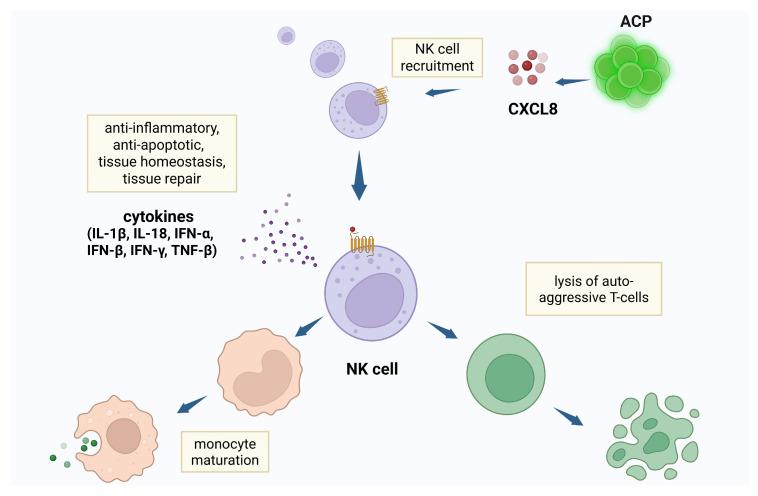
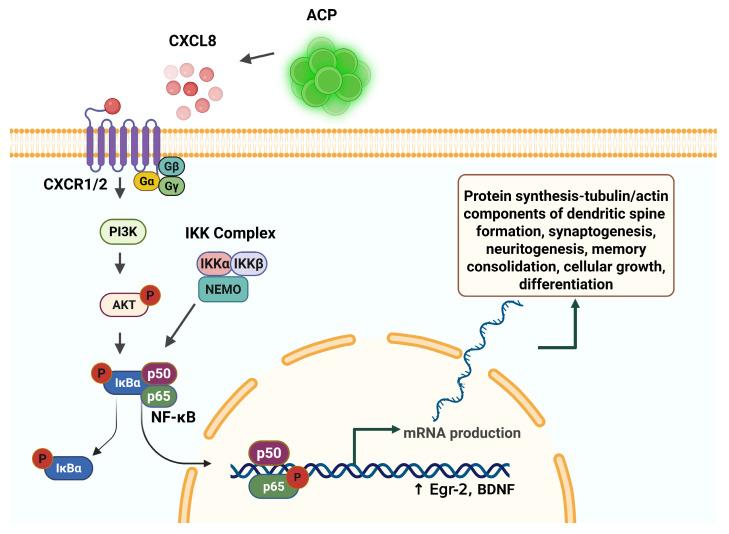
The application of artificial intelligence through the brain-computer interface (BCI) is proving to be one of the great advances in neuroscience today. The development of surface electrodes over the cortex and very fine electrodes that can be stereotactically implanted in the brain have moved the science forward to the extent that paralyzed people can play chess and blind people can read letters. However, the introduction of foreign bodies into deeper parts of the central nervous system results in foreign body reaction, scarring, apoptosis, and decreased signaling. Implanted electrodes activate microglia, causing the release of inflammatory factors, the recruitment of systemic inflammatory cells to the site of injury, and ultimately glial scarring and the encapsulation of the electrode. Recordings historically fail between 6 months and 1 year; the longest BCI in use has been 7 years. This article proposes a biomolecular strategy provided by angiogenic cell precursors (ACPs) and nerve cell precursors (NCPs), administered intrathecally. This combination of cells is anticipated to sustain and promote learning across the BCI. Together, through the downstream activation of neurotrophic factors, they may exert a salutary immunomodulatory suppression of inflammation, anti-apoptosis, homeostasis, angiogenesis, differentiation, synaptogenesis, neuritogenesis, and learning-associated plasticity.
通过脑机接口(BCI)应用人工智能正被证明是当今神经科学的重大进展之一。皮层表面电极以及可通过立体定向植入大脑的非常精细的电极的发展,已将这门科学推进到瘫痪者能够下棋、盲人能够阅读字母的程度。然而,将异物引入中枢神经系统的更深部位会导致异物反应、瘢痕形成、细胞凋亡以及信号传导减少。植入电极会激活小胶质细胞,导致炎症因子释放,全身性炎症细胞募集到损伤部位,最终形成胶质瘢痕并包裹电极。从历史记录来看,记录功能在6个月至1年之间失效;目前使用时间最长的脑机接口为7年。本文提出了一种由血管生成细胞前体(ACP)和神经细胞前体(NCP)提供的生物分子策略,通过鞘内给药。预计这种细胞组合能够维持并促进脑机接口的学习。它们共同通过神经营养因子的下游激活,可能对炎症发挥有益的免疫调节抑制作用、抗凋亡、维持内环境稳定、促进血管生成、分化、突触形成、神经突生长以及与学习相关的可塑性。


 Zotero 插件