
靶向视黄酸受体γ可减少免疫抑制性巨噬细胞极化并抑制肿瘤生长。
Targeting RARγ Decreases Immunosuppressive Macrophage Polarization and Reduces Tumor Growth.
作者信息
Park Jihyeon, Oh Jisun, Min Sang-Hyun, Yu Ji Hoon, Bae Jong-Sup, Jeon Hui-Jeon
机构信息
College of Pharmacy, Kyungpook National University, Daegu 41566, Republic of Korea.
New Drug Development Center, Daegu-Gyeongbuk Medical Innovation Foundation (K-MEDI hub), Daegu 41061, Republic of Korea.
出版信息
Molecules. 2025 Jul 24;30(15):3099. doi: 10.3390/molecules30153099.
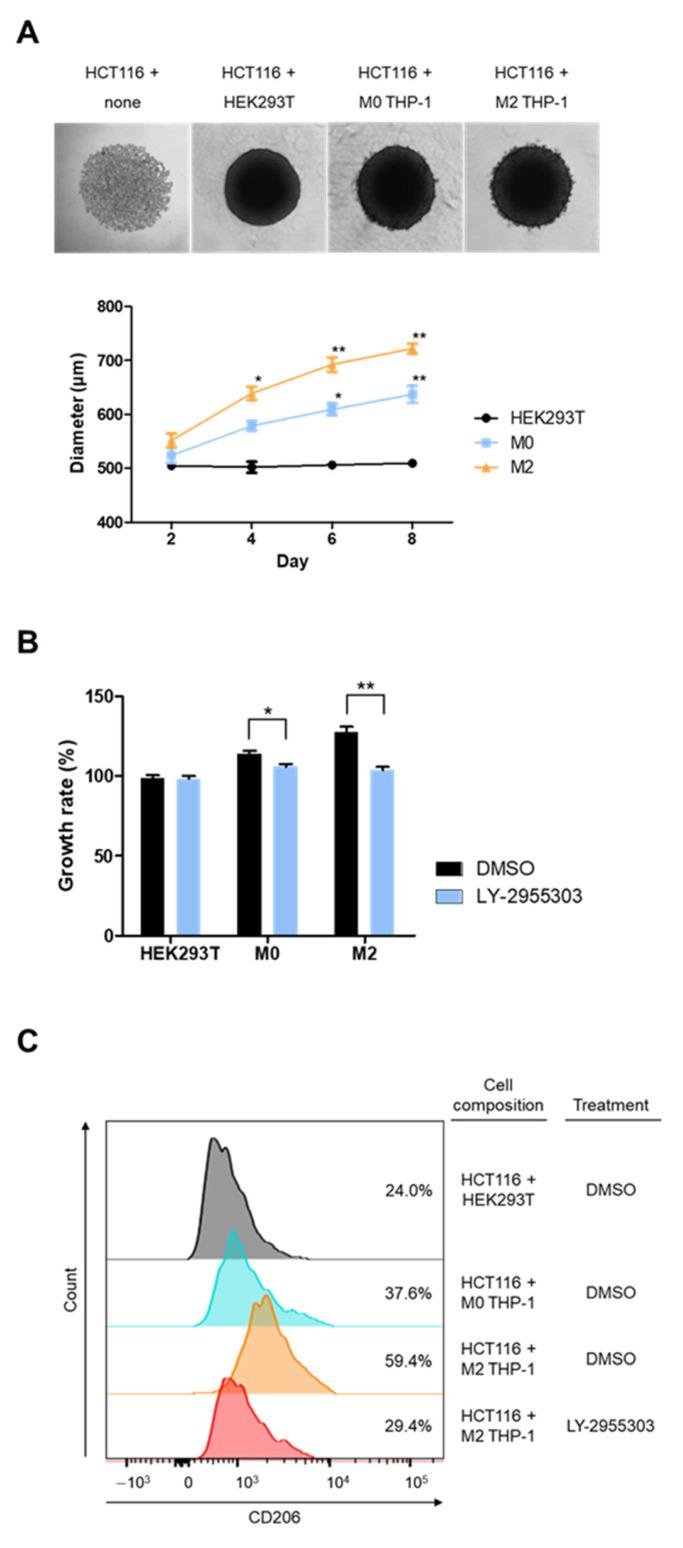
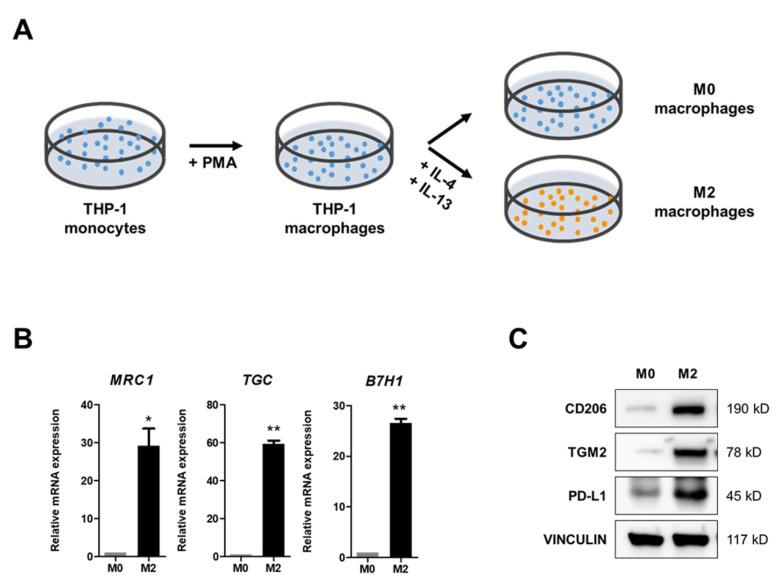
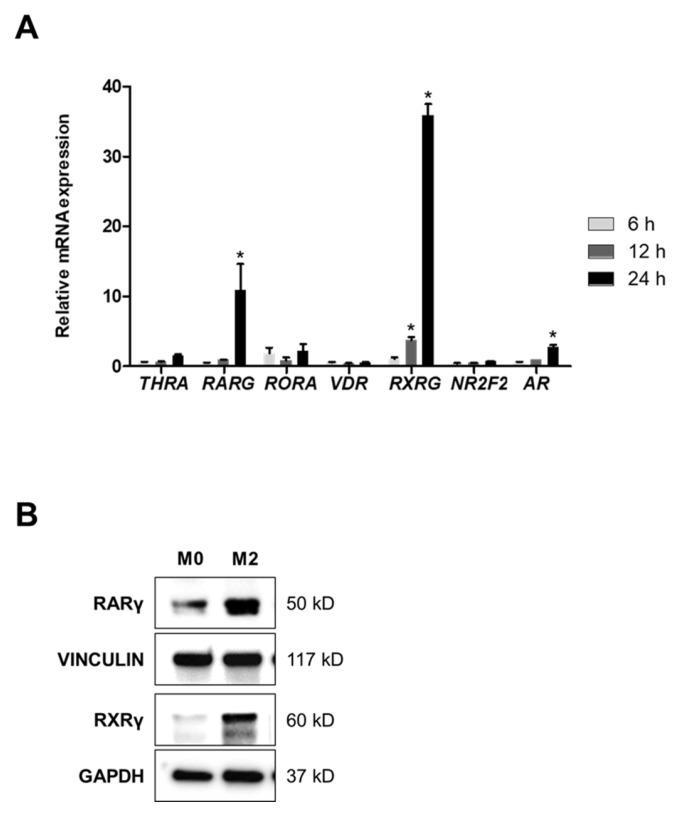
Tumor-associated macrophages (TAMs) play a critical role in the tumor microenvironment (TME), interacting with cancer cells and other components to promote tumor growth. Given the influence of TAMs on tumor progression and resistance to therapy, regulating the activity of these macrophages is crucial for improving cancer treatment outcomes. TAMs often exhibit immunosuppressive phenotypes (commonly referred to as M2-like macrophages), which suppress immune responses and contribute to drug resistance. Therefore, inhibiting immunosuppressive polarization offers a promising strategy to impede tumor growth. This study revealed retinoic acid receptor gamma (RARγ), a nuclear receptor, as a key regulator of immunosuppressive polarization in THP-1 macrophages. Indeed, the inhibition of RARγ, either by a small molecule or gene silencing, significantly reduced the expression of immunosuppressive macrophage markers. In a three-dimensional tumor spheroid model, immunosuppressive macrophages enhanced the proliferation of HCT116 colorectal cancer cells, which was significantly hindered by RARγ inhibition. These findings suggest that targeting RARγ reprograms immunosuppressive macrophages and mitigates the tumor-promoting effects of TAMs, highlighting RARγ as a promising therapeutic target for developing novel anti-cancer strategies.
肿瘤相关巨噬细胞(TAM)在肿瘤微环境(TME)中发挥着关键作用,与癌细胞及其他成分相互作用以促进肿瘤生长。鉴于TAM对肿瘤进展和治疗耐药性的影响,调节这些巨噬细胞的活性对于改善癌症治疗效果至关重要。TAM通常表现出免疫抑制表型(通常称为M2样巨噬细胞),其抑制免疫反应并导致耐药性。因此,抑制免疫抑制极化提供了一种有前景的阻碍肿瘤生长的策略。本研究揭示了核受体视黄酸受体γ(RARγ)是THP-1巨噬细胞免疫抑制极化的关键调节因子。事实上,通过小分子或基因沉默抑制RARγ,可显著降低免疫抑制巨噬细胞标志物的表达。在三维肿瘤球体模型中,免疫抑制巨噬细胞增强了HCT116结肠癌细胞的增殖,而RARγ抑制则显著阻碍了这种增殖。这些发现表明,靶向RARγ可重新编程免疫抑制巨噬细胞并减轻TAM的促肿瘤作用,突出了RARγ作为开发新型抗癌策略的有前景的治疗靶点。

 Zotero 插件