
用于增强土壤中光催化泰乐菌素降解的氮掺杂碳点的绿色合成与表征
Green synthesis and characterization of nitrogen-doped carbon dots for enhanced photocatalytic tylosin degradation in soil.
作者信息
Cervantes-Alcaide María Fernanda, Ghannam Jumanah, Aldahasi Reham M, Mohammed Afrah E, Iqbal Hafiz M N
机构信息
School of Science and Technology, University of Siegen, 57076, Siegen, Germany.
Department of Biology, College of Science, Princess Nourah bint Abdulrahman University, P.O. Box 84428, Riyadh 11671, Saudi Arabia.
出版信息
Sci Rep. 2025 Aug 15;15(1):29952. doi: 10.1038/s41598-025-14411-3.
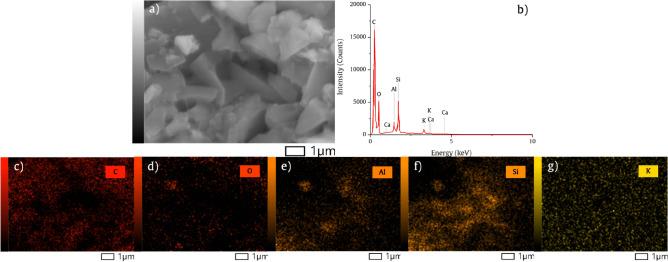
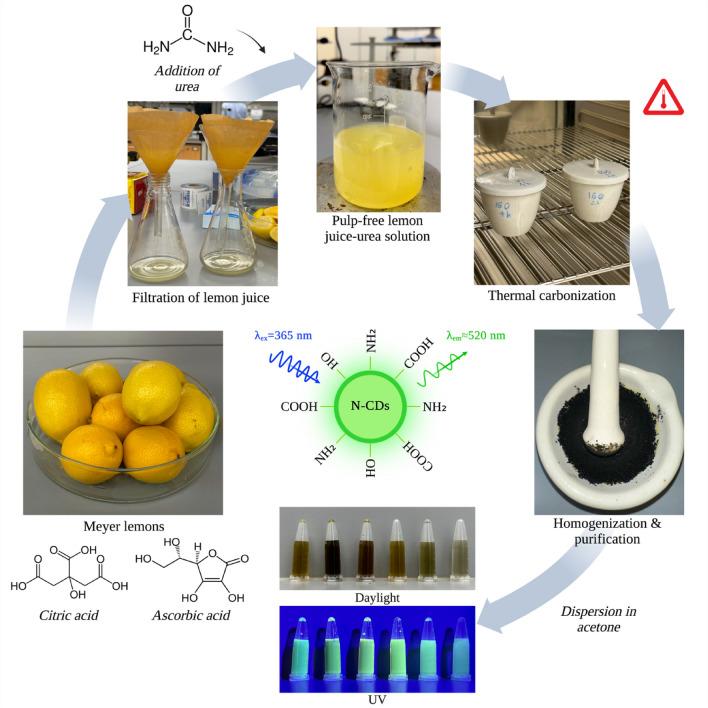
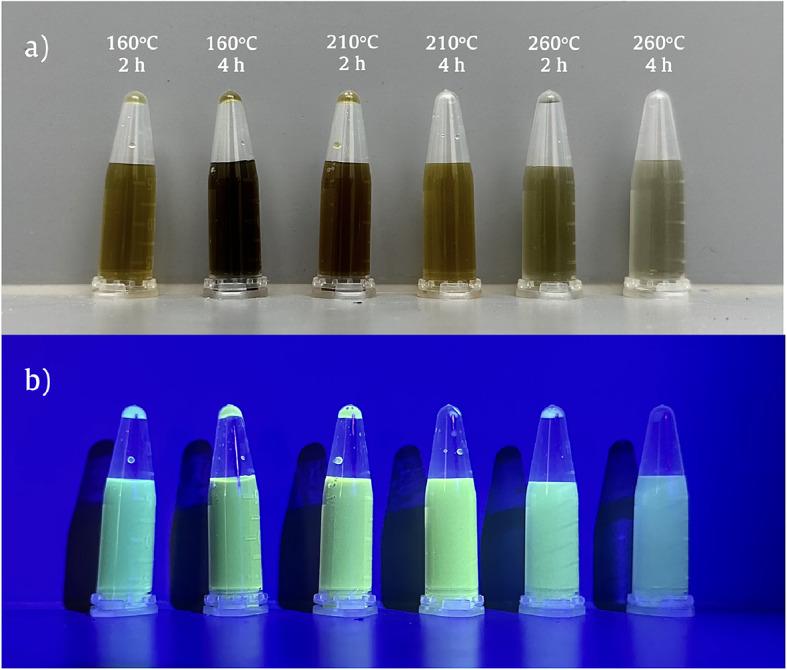
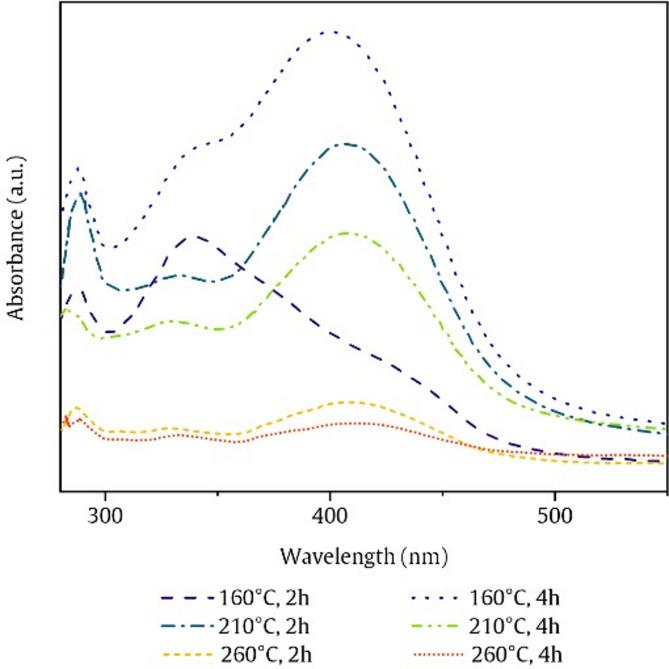
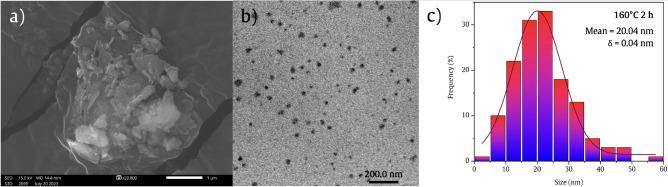
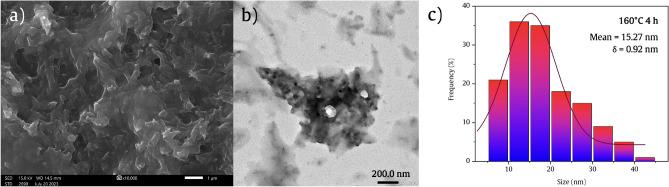
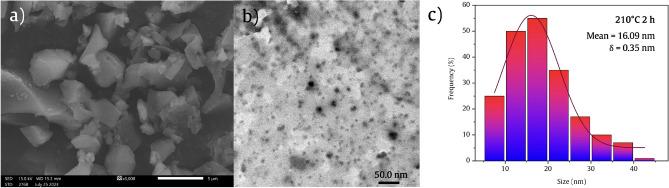
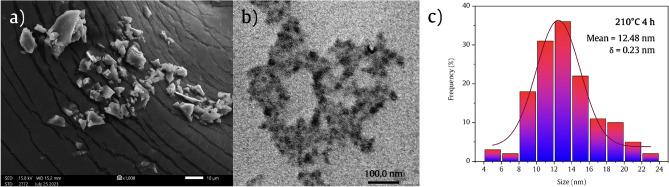
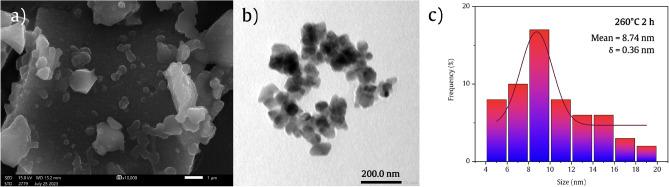
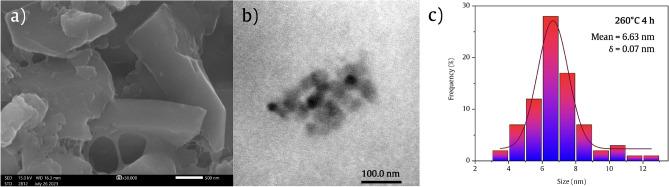
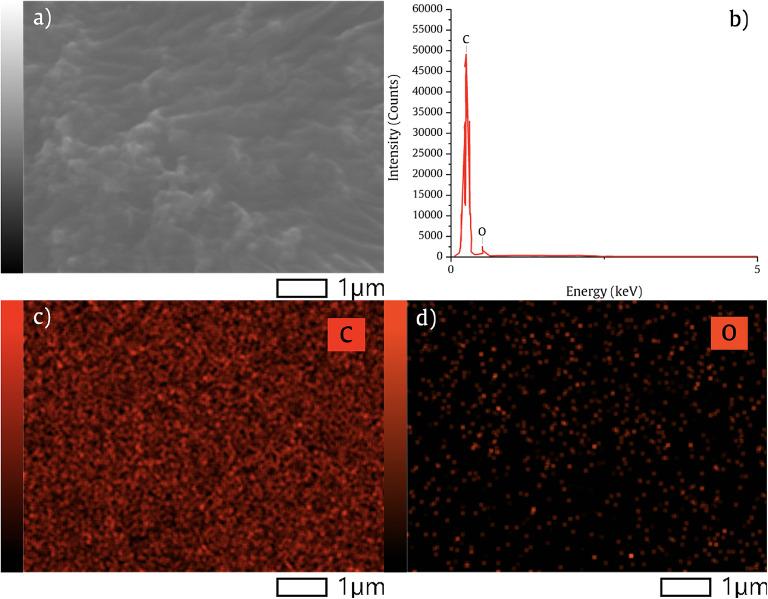
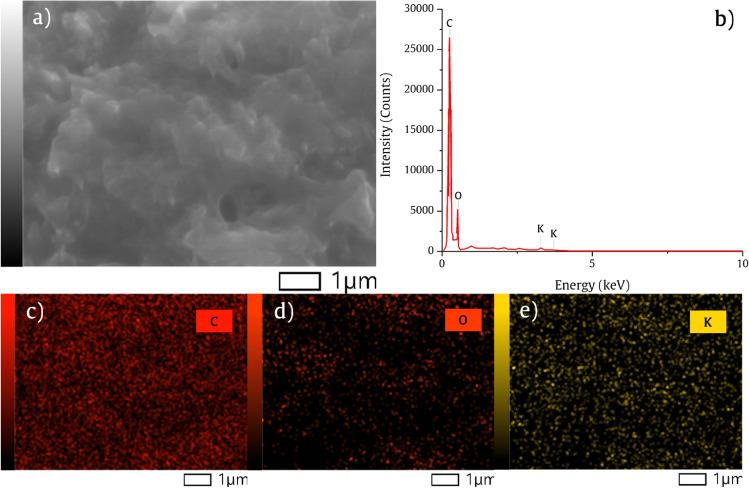
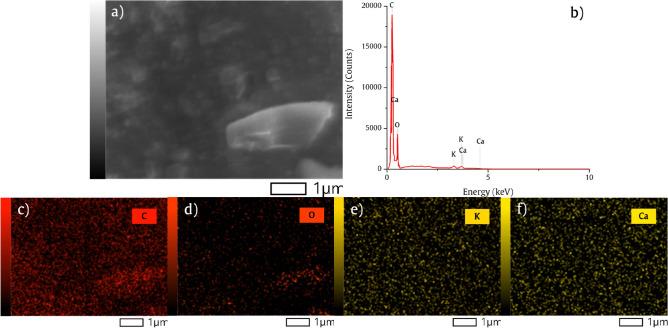
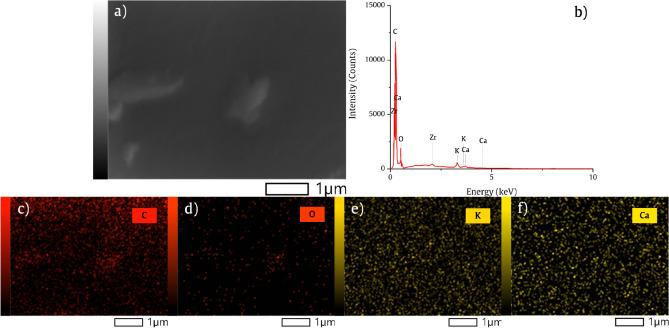
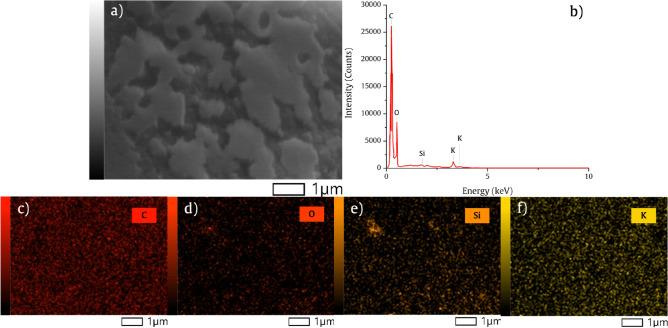
This study reports one-pot green synthesizing and characterizing nitrogen-doped carbon dots (N-CDs) with green-light-emitting fluorescent features. For the said purpose, citrus-containing pulp-free juice was extracted from the lemon (as a green carbon precursor) and subjected to a carbonization process in the presence of urea as a doping agent. In addition, the characteristic-dependent factors, i.e., carbonization temperature (i.e., 160 °C, 210 °C, and 260 °C) and reaction periods (i.e., 2 and 4 h), were also varied to investigate their influence on the synthesis and characteristic attributes of N-CDs. Under UV light at 365 nm, the fabricated N-CDs exhibited strong green light emission up to different extents from light green to bright green range. Overall, the green-light-emitting fluorescent potential of all prepared N-CDs was found to be temperature and time-dependent. The UV-Vis spectral profile revealed characteristic absorption peaks of 288, 333, and 407 nm, confirming the formation of N-CDs. The FTIR profile revealed the functional group entities with evident peaks in 3345 cm, 2120 cm, and 1636 cm regions corresponding to O-H, C=C, and NO. The surface topology and size distribution characteristics were studied through SEM, TEM, and Image J analysis. The results showed uniformly dispersed particles with a minimum average diameter of 6.63 ± 0.07 nm. The EDS/EDX analysis results validated the elemental composition of the samples, distinctly indicating that carbon predominates as the major element across all samples. The catalytic breakdown potential of N-CDs was tested against Tylosin removal from contaminated soil samples (identified and quantified through LC-MS/MS analysis). This evaluation revealed a notable 39.2% maximum removal efficacy, positioning them as exceptional candidates for catalyzing environmental remediation and protection.
本研究报告了具有绿色发光荧光特性的氮掺杂碳点(N-CDs)的一锅法绿色合成及表征。为此,从柠檬中提取了无果肉的含柑橘汁(作为绿色碳前驱体),并在作为掺杂剂的尿素存在下进行碳化过程。此外,还改变了特征相关因素,即碳化温度(即160℃、210℃和260℃)和反应时间(即2小时和4小时),以研究它们对N-CDs合成及特征属性的影响。在365nm紫外光下,制备的N-CDs在不同程度上呈现出从浅绿色到亮绿色范围的强绿色发光。总体而言,发现所有制备的N-CDs的绿色发光荧光潜力与温度和时间有关。紫外-可见光谱图显示出288、333和407nm的特征吸收峰,证实了N-CDs的形成。傅里叶变换红外光谱图揭示了在3345cm、2120cm和1636cm区域具有明显峰的官能团实体,分别对应于O-H、C=C和NO。通过扫描电子显微镜、透射电子显微镜和图像J分析研究了表面拓扑结构和尺寸分布特征。结果显示颗粒均匀分散,最小平均直径为6.63±0.07nm。能谱/能量色散X射线分析结果验证了样品的元素组成,清楚地表明碳在所有样品中作为主要元素占主导地位。测试了N-CDs对从受污染土壤样品中去除泰乐菌素的催化分解潜力(通过液相色谱-串联质谱分析进行鉴定和定量)。该评估显示出高达39.2%的显著最大去除效率,使其成为催化环境修复和保护的优秀候选物。

 Zotero 插件