
表观遗传机制对肺癌顺铂耐药性的调控
Regulation of cisplatin resistance in lung cancer by epigenetic mechanisms.
作者信息
Yu Xiaoyan, Jia Luyu, Tang Qing, Zhou Qichun, Wang Genshu, Wang Sumei
机构信息
The Second Clinical Medical College of Guangzhou, University of Chinese Medicine, Guangzhou, Guangdong, 510120, People's Republic of China.
Clinical and Basic Research Team of TCM Prevention and Treatment of NSCLC, Department of Oncology, The Second Clinical College of Guangzhou University of Chinese Medicine, Guangdong Provincial Hospital of Chinese Medicine, Chinese Medicine Guangdong Laboratory, State Key Laboratory of Traditional Chinese Medicine Syndrome, Guangdong Provincial Key Laboratory of Clinical Research On Traditional Chinese Medicine Syndrome, Guangzhou, 510120, Guangdong, China.
出版信息
Clin Epigenetics. 2025 Aug 24;17(1):145. doi: 10.1186/s13148-025-01961-6.
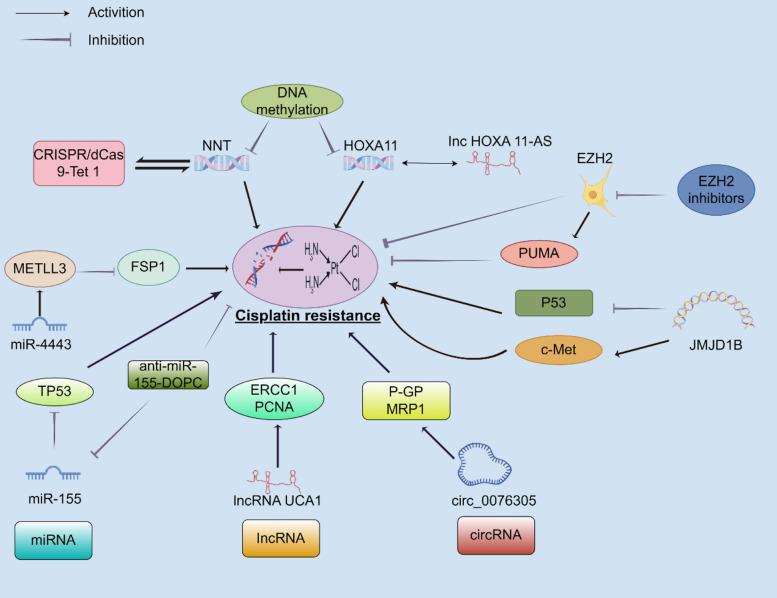
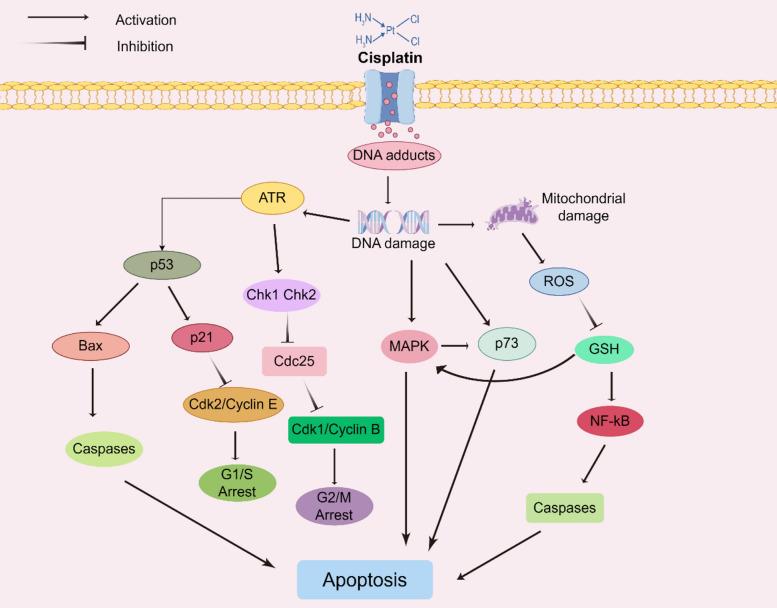
Lung cancer remains one of the most prevalent and lethal malignancies worldwide, responsible for nearly 1.8 million deaths annually, which accounts for approximately 18.7% of global cancer-related mortality. Cisplatin, a highly effective and widely utilized anticancer drug, is particularly effective against solid tumors and serves as a cornerstone of adjuvant chemotherapy for lung cancer. Despite continuous optimization of cisplatin-based chemotherapy regimens, the emergence of cisplatin resistance frequently results in treatment failure, significantly limiting its clinical utility and therapeutic efficacy. To address this challenge, researchers have extensively investigated the biological mechanisms underlying cisplatin resistance, including impaired DNA repair pathways and inhibition of apoptosis. Among these mechanisms, epigenetic regulation-encompassing DNA methylation, histone modifications, and noncoding RNA (ncRNA) regulation-has emerged as a critical factor in mediating cisplatin resistance by modulating gene expression and signaling pathways. This review comprehensively explores the role of epigenetic mechanisms in cisplatin resistance in lung cancer, highlighting recent research findings and their potential implications for developing strategies to overcome drug resistance.
肺癌仍然是全球最常见和致命的恶性肿瘤之一,每年导致近180万人死亡,约占全球癌症相关死亡率的18.7%。顺铂是一种高效且广泛应用的抗癌药物,对实体瘤特别有效,是肺癌辅助化疗的基石。尽管基于顺铂的化疗方案不断优化,但顺铂耐药的出现经常导致治疗失败,显著限制了其临床应用和治疗效果。为应对这一挑战,研究人员广泛研究了顺铂耐药的生物学机制,包括DNA修复途径受损和细胞凋亡抑制。在这些机制中,表观遗传调控(包括DNA甲基化、组蛋白修饰和非编码RNA(ncRNA)调控)已成为通过调节基因表达和信号通路介导顺铂耐药的关键因素。本综述全面探讨了表观遗传机制在肺癌顺铂耐药中的作用,强调了最近的研究发现及其对制定克服耐药性策略的潜在意义。
 Zotero 插件