
弥合边缘化人群中阿尔茨海默病的健康差距:以临床蛋白质组学为例
Bridging Health Disparity Gaps in Alzheimer's Disease among Marginalized Populations: Clinical Proteomics as a Case Study.
作者信息
Adeola Henry A, Robinson Renã A S
机构信息
Department of Chemistry, Vanderbilt University, Nashville, Tennessee 37235, United States.
Department of Oral and Maxillofacial Pathology, Faculty of Dentistry, University of the Western Cape and Tygerberg Hospital, Francie Van Zijl Dr, Cape Town 7505, South Africa.
出版信息
ACS Bio Med Chem Au. 2025 Jul 8;5(4):505-518. doi: 10.1021/acsbiomedchemau.5c00074. eCollection 2025 Aug 20.
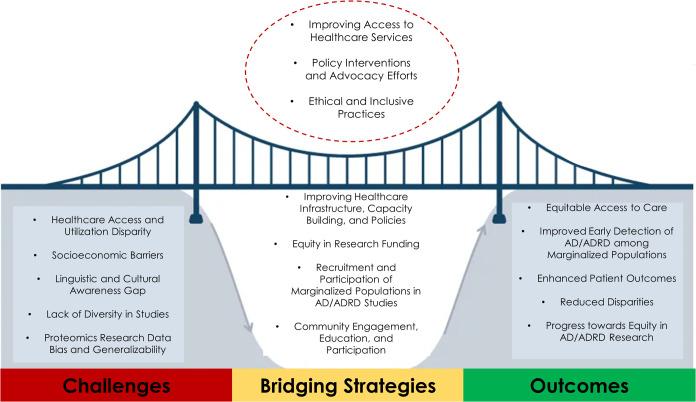
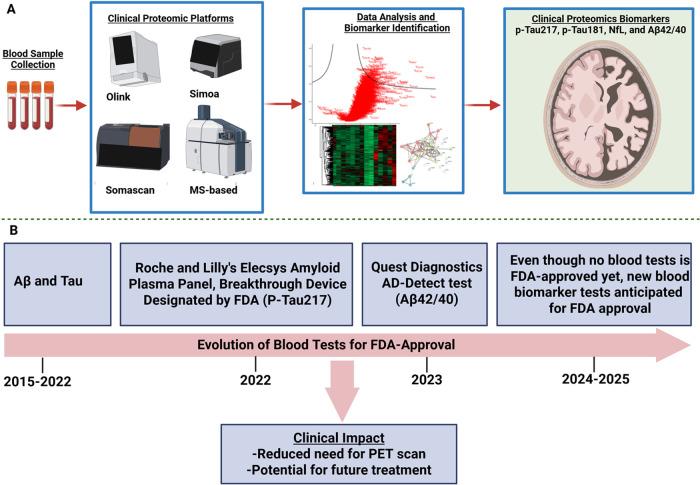
Alzheimer's disease (AD) and AD-related dementias (ADRD) represent a significant health challenge, with a growing impact on marginalized populations who often experience inequities in overall healthcare access and outcomes. Many factors contribute to these inequalities and can impact the benefits of broad appreciation of new technologies in AD/ADRD to these populations. For example, clinical proteomics offers a promising avenue for early and timely detection of disease and elucidation of the mechanisms of AD/ADRD. Unfortunately, gaps exist in the access and application of proteomic innovations for the health of marginalized communities. This editorial (1) highlights systemic barriers and explores the underlying factors that contribute to these inequities, (2) examines health disparities in the implementation of clinical proteomics tools for the management of AD/ADRD among marginalized populations, and (3) offers opportunities for advancing clinical proteomics in AD/ADRD. Implementation by basic and clinical researchers will lead to a more effective and inclusive approach to combatting AD/ADRD disparities.
阿尔茨海默病(AD)及与AD相关的痴呆症(ADRD)是一项重大的健康挑战,对往往在整体医疗保健可及性和结果方面面临不公平现象的边缘化人群的影响日益增大。许多因素导致了这些不平等现象,并可能影响新技术在AD/ADRD方面的广泛应用给这些人群带来的益处。例如,临床蛋白质组学为疾病的早期及时检测及AD/ADRD机制的阐明提供了一条有前景的途径。不幸的是,蛋白质组学创新在边缘化社区健康方面的获取和应用存在差距。这篇社论(1)强调了系统性障碍,并探讨了导致这些不平等现象的潜在因素,(2)审视了在边缘化人群中实施用于AD/ADRD管理的临床蛋白质组学工具时存在的健康差异,以及(3)提供了推进AD/ADRD临床蛋白质组学的机会。基础研究人员和临床研究人员的实施将带来一种更有效且更具包容性的方法来应对AD/ADRD差异。
 Zotero 插件