
代谢功能障碍相关脂肪性肝病发生过程中的孤儿核受体
Orphan Nuclear Receptors in Metabolic Dysfunction-associated Steatotic Liver Disease Development.
作者信息
Li Huan, Chen Jian, Huang Ziyin, Chen Mingkai
机构信息
Department of Gastroenterology, Renmin Hospital of Wuhan University, Wuhan, Hubei, China.
出版信息
J Clin Transl Hepatol. 2025 Aug 28;13(8):682-692. doi: 10.14218/JCTH.2025.00019. Epub 2025 Jun 19.
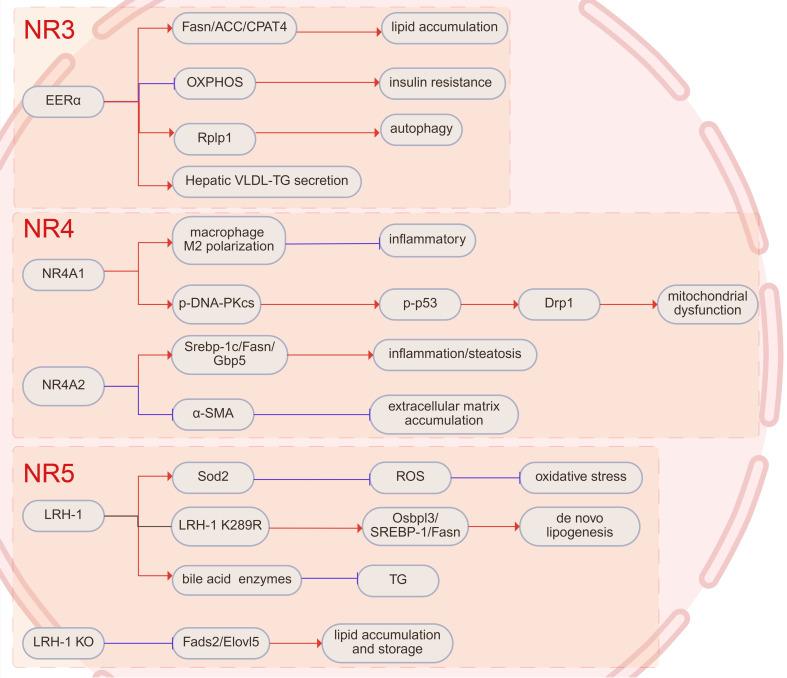
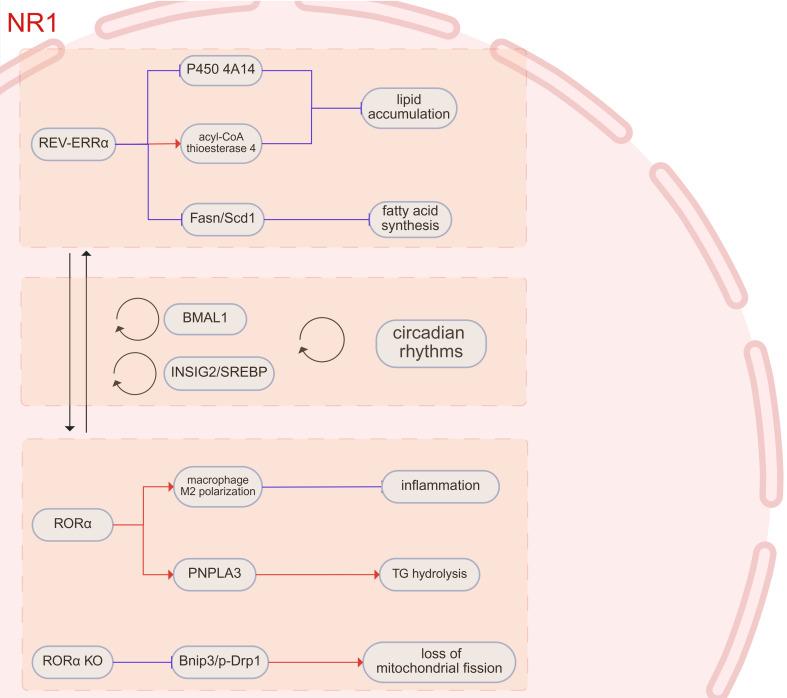
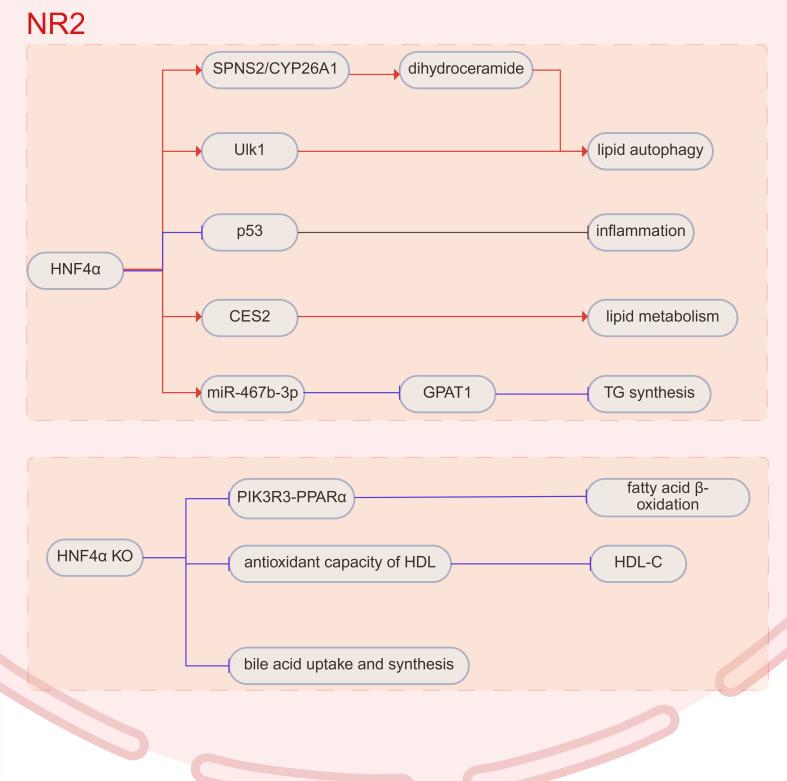
Metabolic dysfunction-associated fatty liver disease, representing a spectrum of liver disorders from simple steatosis to metabolic dysfunction-associated steatohepatitis, fibrosis, and cirrhosis, has emerged as one of the most prevalent chronic liver conditions globally, affecting an estimated approximately 30% of the world's population. Its pathogenesis is highly complex, involving intricate interactions between genetic predisposition, metabolic dysregulation, inflammation, and cellular stress responses. Within this complex landscape, orphan nuclear receptors (ONRs) have gained significant attention. Defined by the lack of identified endogenous ligands, ONRs function as master transcriptional regulators controlling diverse biological processes. Crucially, they play pivotal roles in the development and progression of numerous diseases, including metabolic disorders.This review specifically focuses on elucidating the critical contributions of various ONRs to the pathogenesis of metabolic dysfunction-associated fatty liver disease. We examined how these receptors modulate key pathological drivers: lipid metabolism, inflammation,and autophagy.
代谢功能障碍相关脂肪性肝病涵盖了从单纯性脂肪变性到代谢功能障碍相关脂肪性肝炎、纤维化和肝硬化等一系列肝脏疾病,已成为全球最普遍的慢性肝脏疾病之一,估计影响全球约30%的人口。其发病机制高度复杂,涉及遗传易感性、代谢失调、炎症和细胞应激反应之间的复杂相互作用。在这一复杂的背景下,孤儿核受体(ONRs)受到了广泛关注。由于缺乏已确定的内源性配体而被定义,ONRs作为主要的转录调节因子,控制着多种生物学过程。至关重要的是,它们在包括代谢紊乱在内的多种疾病的发生和发展中起着关键作用。本综述特别关注阐明各种ONRs对代谢功能障碍相关脂肪性肝病发病机制的关键贡献。我们研究了这些受体如何调节关键的病理驱动因素:脂质代谢、炎症和自噬。

 Zotero 插件