
将软质气动夹具集成到机器人系统中,用于对生牡蛎进行高速稳定处理。
Integrating a Soft Pneumatic Gripper in a Robotic System for High-Speed Stable Handling of Raw Oysters.
作者信息
Zhang Yang, Wang Zhongkui
机构信息
Graduate School of Science and Engineering, Ritsumeikan University, Kusatsu 525-8577, Japan.
Department of Robotics, Ritsumeikan University, Kusatsu 525-8577, Japan.
出版信息
Foods. 2025 Aug 19;14(16):2875. doi: 10.3390/foods14162875.
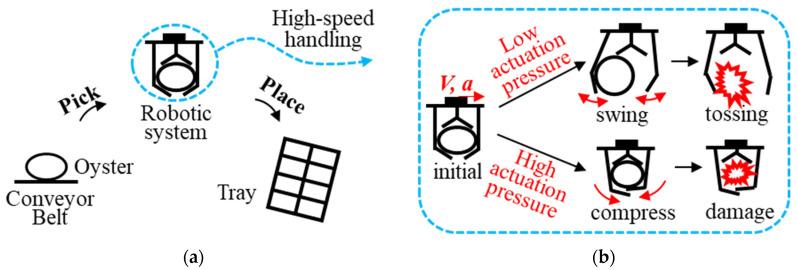
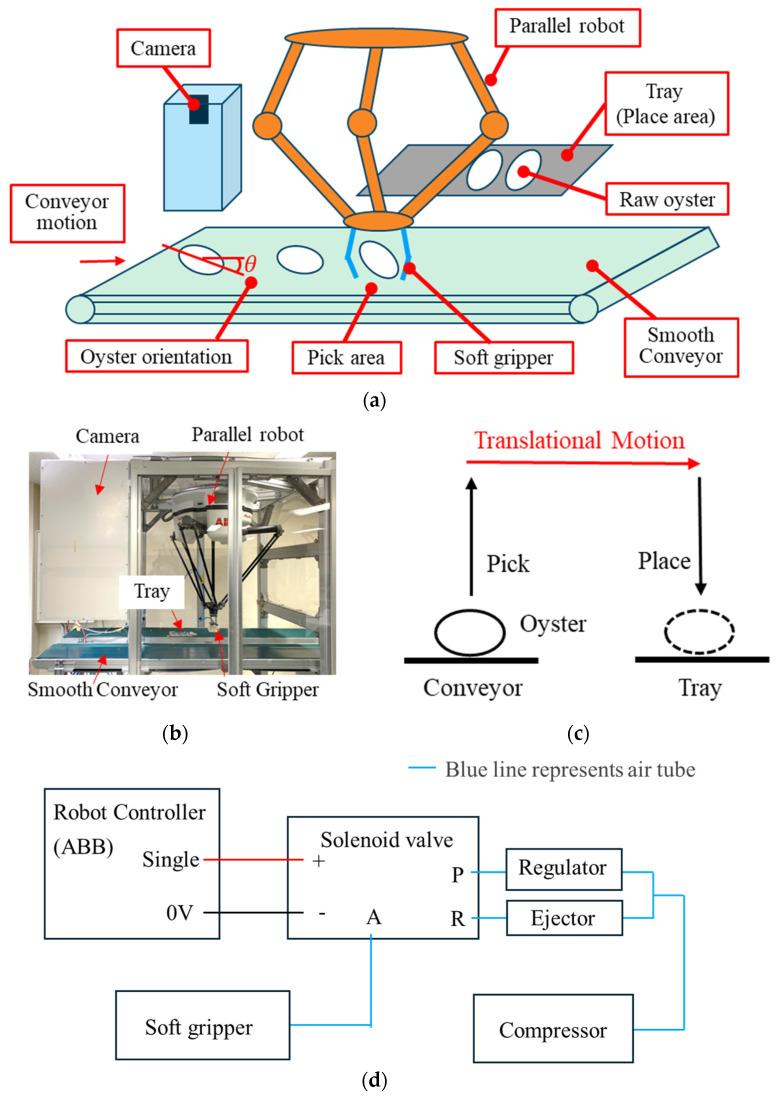
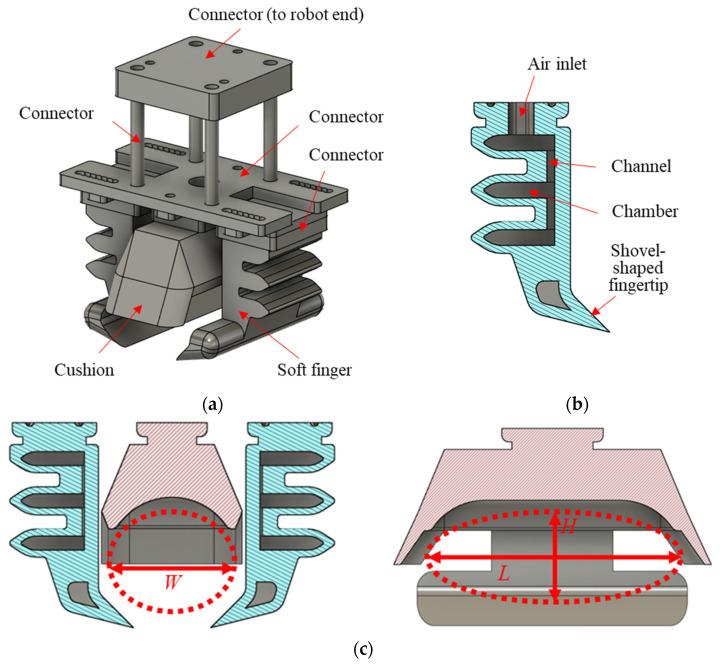
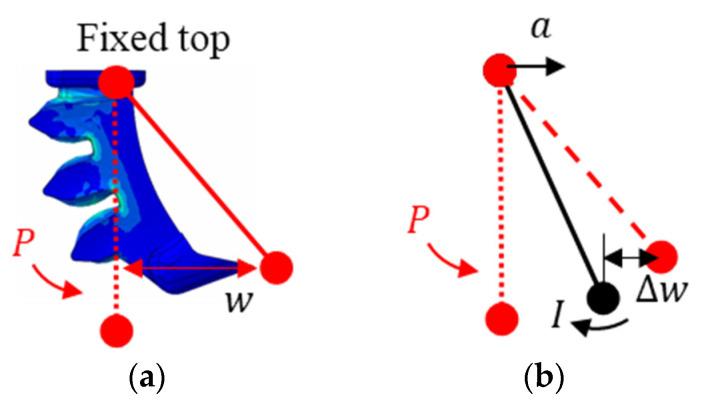
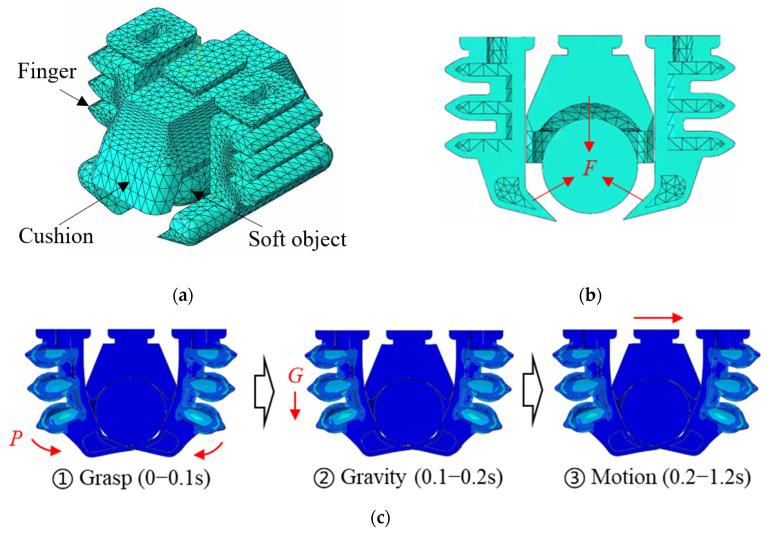
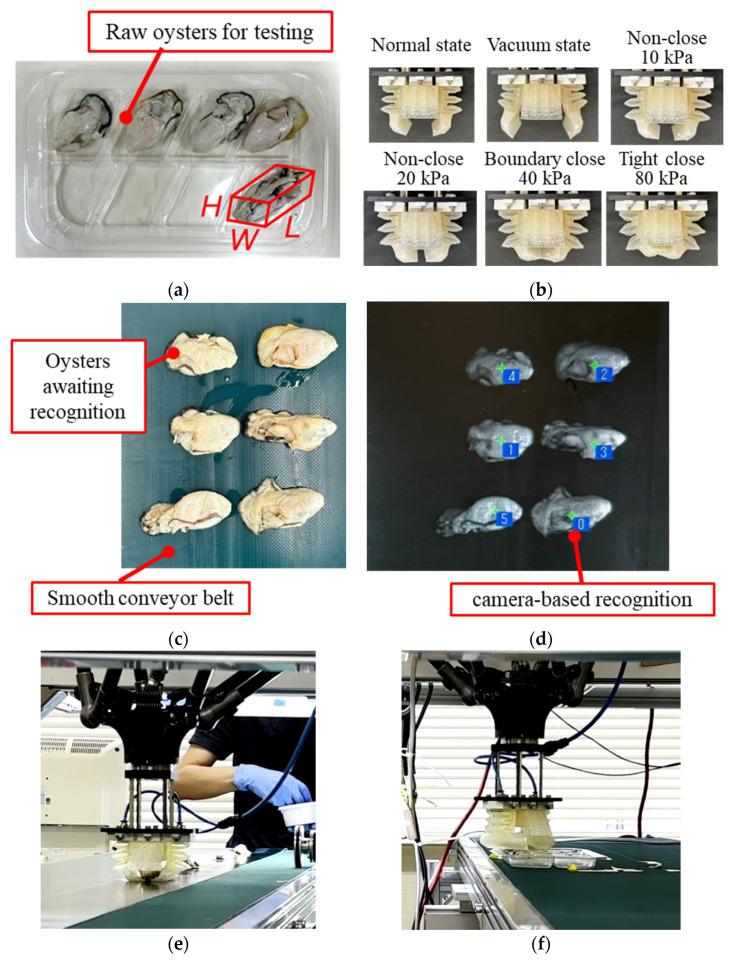
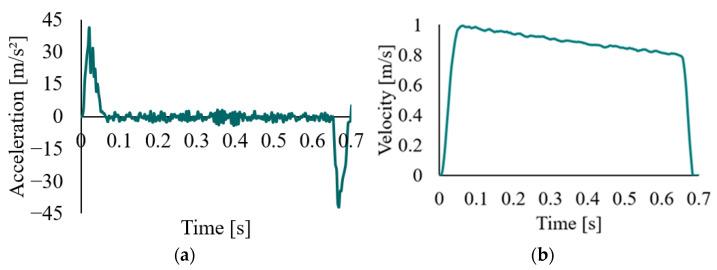
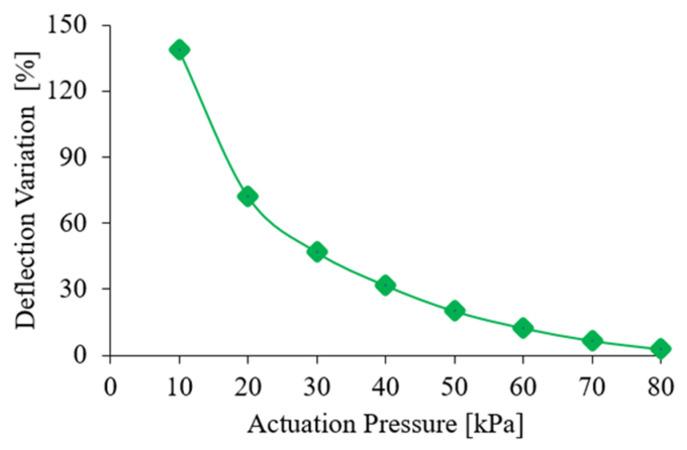
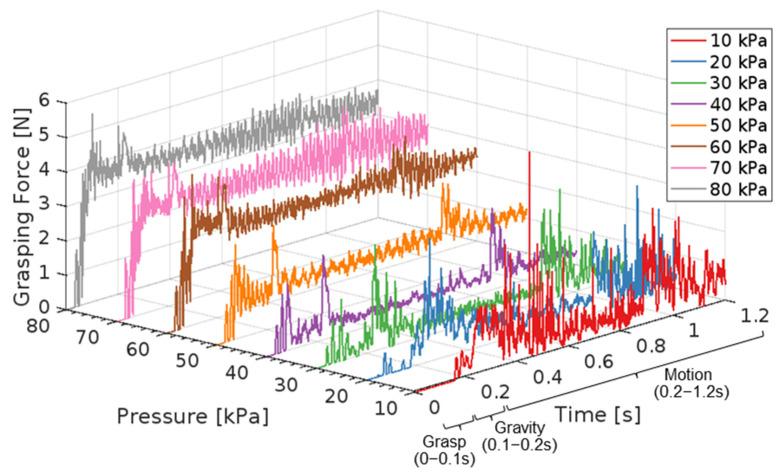
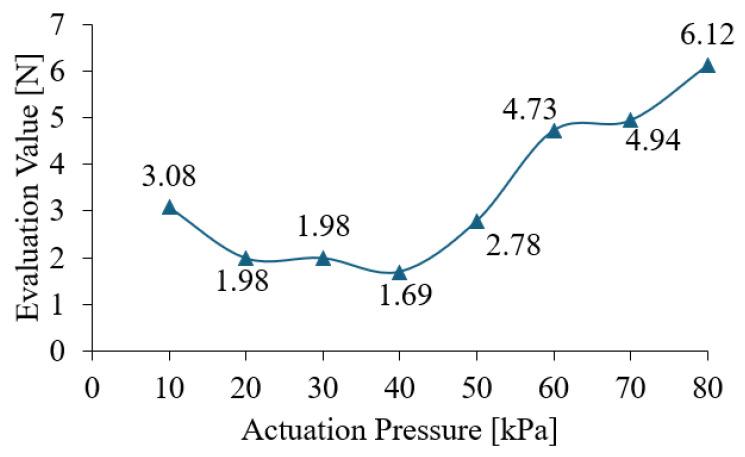
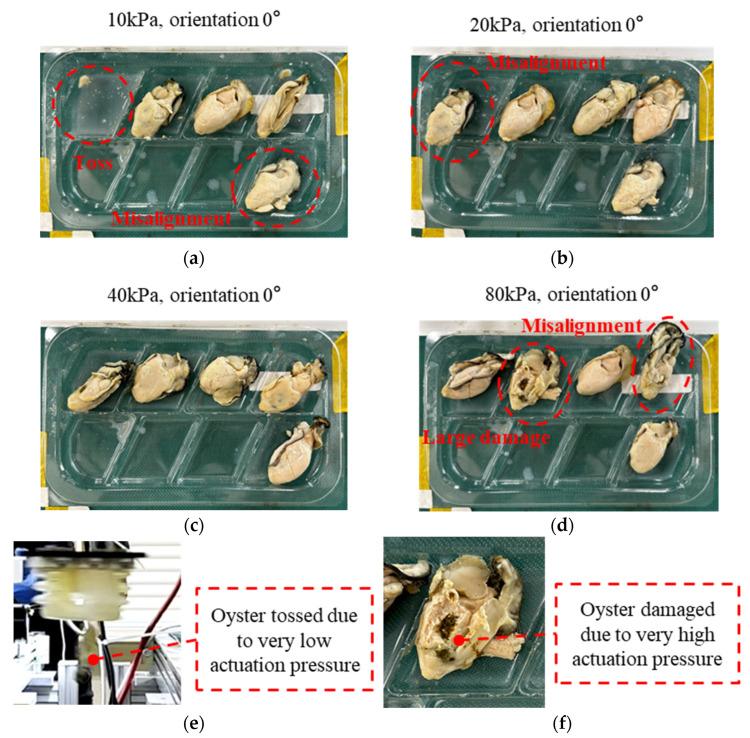
Pick-and-place handling of aquatic products (e.g., raw oyster) in packing processing remains manual, despite advances in soft robotic grippers as well as robotic systems that offer a path to automation in food production lines. In this study, we focused on the automation of raw-oyster handling which can be achieved by a robotic system equipped with a soft robotic gripper. However, raw oysters are fragile and prone to large damage during robotic handling, while high-speed handling generates inertial effects. Minimizing the grasping force is thus essential to protect raw oysters, while preserving the grasping stability is required. To address, this study introduces and validates a robotic system equipped with a soft pneumatic gripper for raw-oyster handling task in food production lines. Finite element analysis (FEA) was employed to discuss the effect of gripper actuation pressure on finger deflection and gripper grasping force, revealing a trade-off: increasing actuation pressure improves stability but raises grasping force, whereas reducing actuation pressure causes excessive swing and tossing problems. An optimal actuation pressure of the soft gripper was identified as grasping stability and oyster integrity, minimizing swing while preventing excessive grasping force. Handling performance of the robotic system was experimentally evaluated with raw oysters under different actuation pressures and oyster orientations. Under the optimal actuation pressure confirmed in FEA, the robotic system achieved a handling success rate of 100% (15/15) without obvious misalignment and large damage of raw oysters, which confirmed its adaptability for high-speed, stable handling. This study offers a reference of robotic systems for handling fragile aquatic products and indicates that optimal actuation pressure can protect such products during robotic handling, thereby facilitating the automation of aquatic product processing.
尽管软机器人夹具以及为食品生产线自动化提供了途径的机器人系统取得了进展,但在包装加工中,水产品(如生蚝)的抓取和放置操作仍需人工完成。在本研究中,我们专注于通过配备软机器人夹具的机器人系统实现生蚝处理的自动化。然而,生蚝很脆弱,在机器人处理过程中容易受到较大损坏,同时高速处理会产生惯性效应。因此,在保护生蚝的同时,尽量减小抓取力至关重要,同时还需要保持抓取稳定性。为了解决这个问题,本研究引入并验证了一种配备软气动夹具的机器人系统,用于食品生产线中的生蚝处理任务。采用有限元分析(FEA)来讨论夹具驱动压力对手指挠度和夹具抓取力的影响,结果显示存在一种权衡:增加驱动压力可提高稳定性,但会增加抓取力,而降低驱动压力则会导致过度摆动和抛掷问题。确定了软夹具的最佳驱动压力,以实现抓取稳定性和生蚝完整性,最大限度地减少摆动,同时防止过度抓取力。在不同驱动压力和生蚝方向下,用生蚝对机器人系统的处理性能进行了实验评估。在有限元分析中确定的最佳驱动压力下,机器人系统的处理成功率达到了100%(15/15),生蚝没有明显的错位和严重损坏,这证实了其对高速、稳定处理的适应性。本研究为处理易碎水产品的机器人系统提供了参考,并表明最佳驱动压力可在机器人处理过程中保护此类产品,从而促进水产品加工的自动化。

 Zotero 插件