
用于治疗侵袭性真菌感染的抗真菌药物——面对不断增加的耐药性,一个有限的治疗手段库
Antifungal Drugs for the Treatment of Invasive Fungal Infections-A Limited Therapeutic Toolbox Facing Growing Resistances.
作者信息
Susan Victoria, Lang Mylène, Sabou Marcela, Bourel-Bonnet Line
机构信息
Chemobiology and Pharmacognosy for Health (CPS) Team, Strasbourg Institute for Drug Discovery and Development (ITI IMS), Laboratory of Therapeutic Innovation (LIT), UMR 7200 CNRS/Unistra, Faculty of Pharmacy, 74, Route du Rhin, 67400 Illkirch, France.
University of Strasbourg Institute for Advanced Studies (USIAS), 67000 Strasbourg, France.
出版信息
Pharmaceuticals (Basel). 2025 Aug 19;18(8):1220. doi: 10.3390/ph18081220.
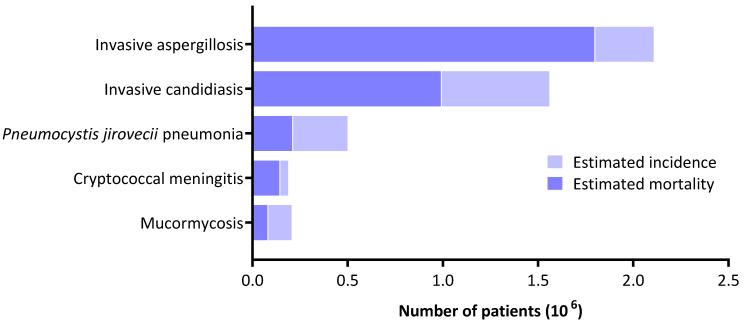
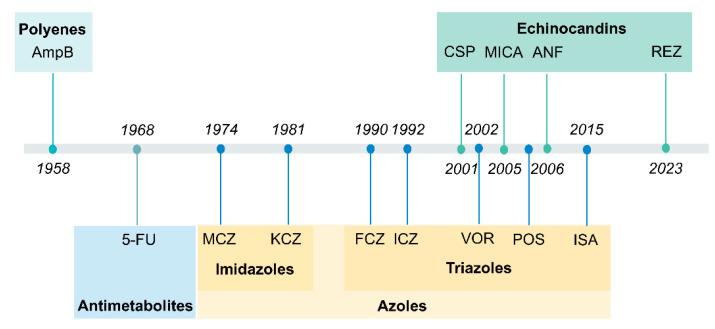
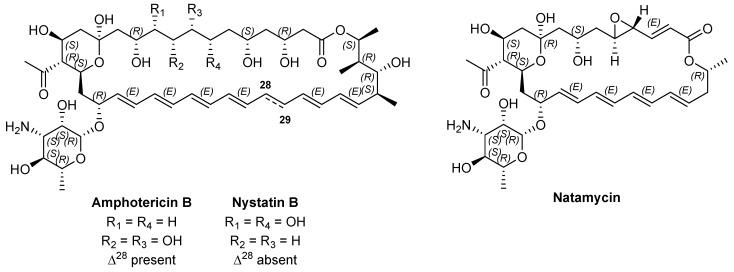
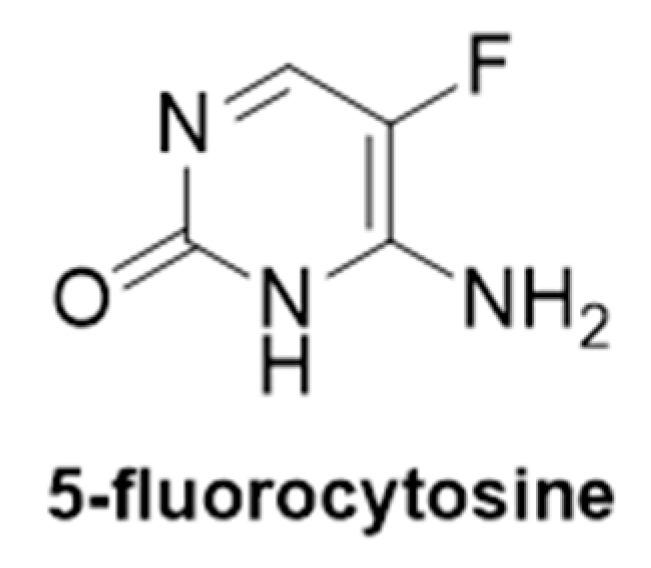
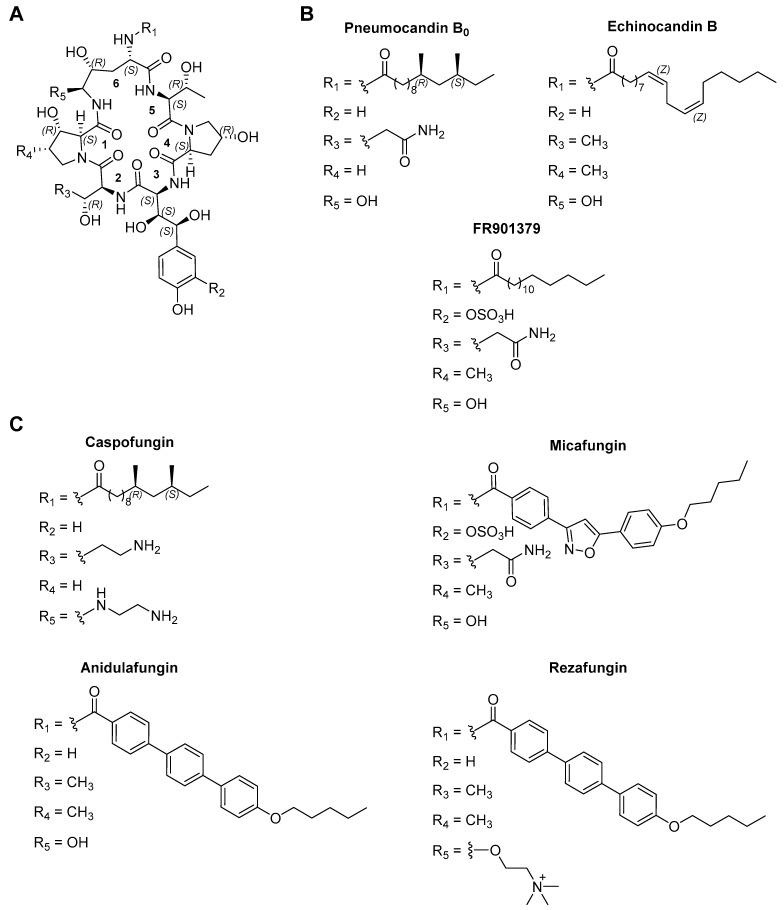
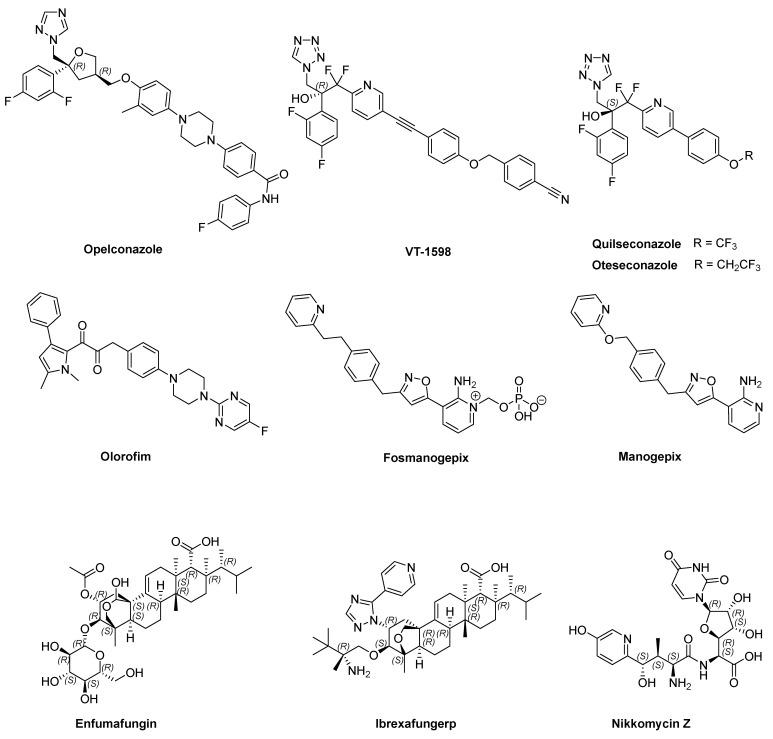
Invasive fungal infections (IFIs) are one of the most significant public health challenges worldwide. Yet, research and communication thereof were left behind for a long time, until the WHO published a priority pathogens list to guide research, development, and public health action in October 2022. Indeed, due to the rising number of immunocompromised patients at risk and the high level of morbidity, mortality, and economic burden they entail, especially in low- and middle-income countries, IFIs are a serious public health threat. Fungal infections due to dimorphic fungi face additional challenges such as limited knowledge outside of endemic areas and restricted availability of antifungal molecules in areas affected by these infections. The number of related deaths per year is estimated at 2.5 million, but non-governmental organisations make a wider estimation, due to the difficulties in early in vitro diagnostic and troublesome collection and analysis of epidemiological data. Despite this fact, the therapeutic toolbox addressing these infections remains limited, with only four main families of molecules available so far. The antifungal therapeutic supply is composed of very toxic polyenes, the weakly selective and nearly unused 5-fluorocytosine, and azoles, some of which are becoming increasingly inefficient against IFIs. In the 2000-2020s, the fourth arising family consisted of safer semisynthetic echinocandins. Unfortunately, nowadays, more and more fungal isolates encountered in intensive care units exhibit a low susceptibility to echinocandins or are even multiresistant. In this review, we expose the current treatments available to fight against invasive fungal infections. We recall the discovery and physico-chemical aspects of these substances leading to structure/activity and structure/properties relationships. We particularly focus on the to-date resistances and their molecular mechanisms. We finally list some of the most relevant antifungal drug candidates, as they were freshly overviewed by the World Health Organization in April 2025, highlighting the importance of the molecular dimension of this pursuit toward the expansion of the antifungal therapeutic toolbox.
侵袭性真菌感染(IFI)是全球最重大的公共卫生挑战之一。然而,对其的研究和交流长期滞后,直到世界卫生组织于2022年10月发布了一份重点病原体清单,以指导研究、开发和公共卫生行动。事实上,由于免疫功能低下的高危患者数量不断增加,以及这些患者所带来的高发病率、高死亡率和经济负担,尤其是在低收入和中等收入国家,IFI构成了严重的公共卫生威胁。由双相真菌引起的真菌感染面临着额外的挑战,比如流行地区以外的相关知识有限,以及在受这些感染影响的地区抗真菌药物分子的可及性受限。据估计,每年因真菌感染导致的死亡人数为250万,但非政府组织的估计范围更广,这是因为早期体外诊断存在困难,且流行病学数据的收集和分析也很棘手。尽管如此,针对这些感染的治疗手段仍然有限,目前只有四个主要的药物分子类别。抗真菌治疗药物包括毒性很强的多烯类药物、选择性较弱且几乎未被使用的5-氟胞嘧啶,以及唑类药物,其中一些对IFI的疗效越来越差。在21世纪初至2020年代,第四类新兴药物是安全性更高的半合成棘白菌素类。不幸的是,如今在重症监护病房中遇到的越来越多的真菌分离株对棘白菌素类药物敏感性较低,甚至具有多重耐药性。在这篇综述中,我们阐述了目前用于对抗侵袭性真菌感染的治疗方法。我们回顾了这些物质的发现过程以及理化性质,进而得出结构/活性和结构/性质的关系。我们特别关注目前已知的耐药性及其分子机制。最后,我们列出了一些最相关的抗真菌候选药物,这些药物在2025年4月刚刚由世界卫生组织进行了全面概述,强调了在扩大抗真菌治疗手段方面,药物分子层面研究的重要性。



 Zotero 插件