
白藜芦醇作为一种天然存在的炎性小体调节剂:对健康与疾病的影响。
Resveratrol as a naturally occurring inflammasome modulator: Implications for health and disease.
作者信息
Ghasemzadeh Rahbardar Mahboobeh, Sahebkar Amirhossein
机构信息
Clinical Research Development Unit, Shahid Hasheminejad Hospital, Mashhad University of Medical Sciences, Mashhad, Iran.
Biotechnology Research Center, Pharmaceutical Technology Institute, Mashhad University of Medical Sciences, Mashhad, Iran.
出版信息
Iran J Basic Med Sci. 2025;28(10):1301-1318. doi: 10.22038/ijbms.2025.87366.18879.
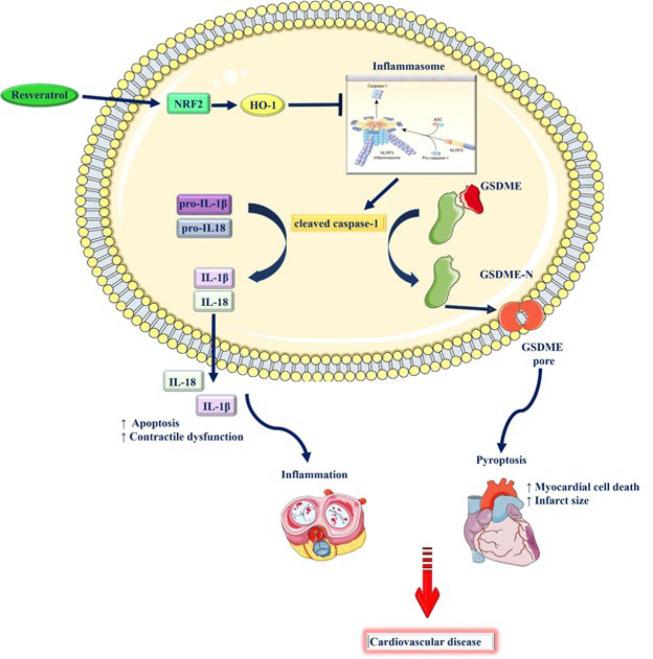
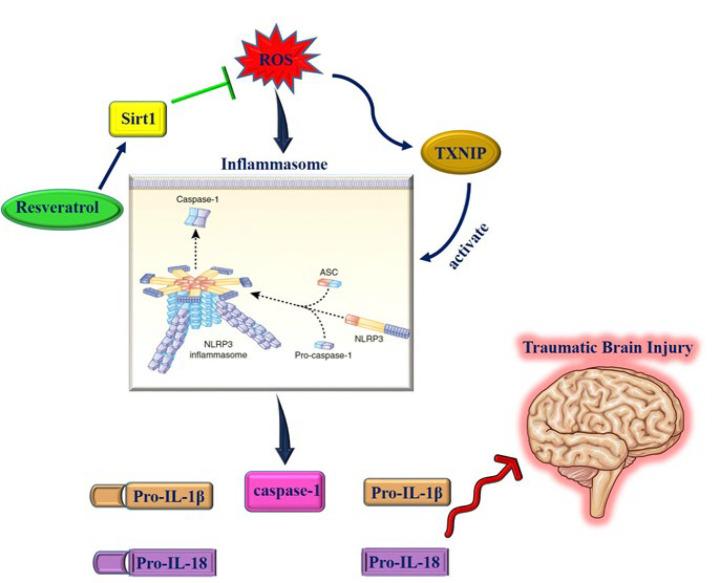
Inflammation plays a crucial role in the pathophysiology of diverse diseases, ranging from chronic disorders to acute inflammatory responses. Inflammasome, a multiprotein complex that controls the activation of pro-inflammatory cytokines and initiates immunological responses, has emerged as a critical regulator of inflammation. Resveratrol, a polyphenolic substance present in grapes, berries, and peanuts, has drawn significant attention due to its potential health benefits. The purpose of this review article is to investigate the role of resveratrol as a naturally occurring inflammasome modulator as well as its implications for health and illness. The present review provides a comprehensive summary of the current evidence on the effects of resveratrol on inflammasome activation and regulation, highlighting and studies investigating the effect of resveratrol on different inflammasome pathways. Furthermore, the underlying mechanisms through which resveratrol affects the nervous system and cardiovascular, respiratory, renal, digestive, and reproductive system disorders are discussed. The extant evidence suggests that various mechanisms are involved in the therapeutic effects of resveratrol, including inhibiting NLRP3 inflammasome activation and subsequent release of IL-1β, IL-18, and TNF-α, reducing inflammation and oxidative stress, activating the Nrf2 pathway, and preventing NF-κB signaling. However, further research is required to determine the therapeutic significance of resveratrol in the prevention and treatment of inflammatory disorders, particularly in clinical practice, as well as to completely unravel the specific molecular processes behind these properties. In conclusion, resveratrol is a promising naturally occurring inflammasome modulator that has the potential to reduce inflammation and related diseases.
炎症在各种疾病的病理生理学中起着至关重要的作用,从慢性疾病到急性炎症反应均是如此。炎性小体是一种控制促炎细胞因子激活并启动免疫反应的多蛋白复合物,已成为炎症的关键调节因子。白藜芦醇是一种存在于葡萄、浆果和花生中的多酚类物质,因其潜在的健康益处而备受关注。这篇综述文章的目的是研究白藜芦醇作为一种天然存在的炎性小体调节剂的作用及其对健康和疾病的影响。本综述全面总结了目前关于白藜芦醇对炎性小体激活和调节作用的证据,重点介绍了研究白藜芦醇对不同炎性小体途径影响的研究。此外,还讨论了白藜芦醇影响神经系统以及心血管、呼吸、肾脏、消化和生殖系统疾病的潜在机制。现有证据表明,白藜芦醇的治疗作用涉及多种机制,包括抑制NLRP3炎性小体激活以及随后IL-1β、IL-18和TNF-α的释放,减轻炎症和氧化应激,激活Nrf2途径以及阻止NF-κB信号传导。然而,需要进一步研究以确定白藜芦醇在预防和治疗炎症性疾病中的治疗意义,特别是在临床实践中,同时也需要完全阐明这些特性背后的具体分子过程。总之,白藜芦醇是一种有前景的天然炎性小体调节剂,具有减轻炎症和相关疾病的潜力。
 Zotero 插件