
通过生物信息学分析鉴定与乙肝相关肝硬化中基质体相关的关键基因
Identification of Key Gene Related to Matrisome in HBV-Associated Liver Cirrhosis via Bioinformatics Analysis.
作者信息
Chaulagain Ram Prasad, Shrestha Yelona, Dinislam Khuzin, Jin Shizhu
机构信息
Department of Gastroenterology and Hepatology, Second Affiliated Hospital of Harbin Medical University, Harbin, China.
National Academy of Medical Science, Bir Hospital, Kathmandu, Nepal.
出版信息
Int J Hepatol. 2025 Aug 25;2025:5532643. doi: 10.1155/ijh/5532643. eCollection 2025.
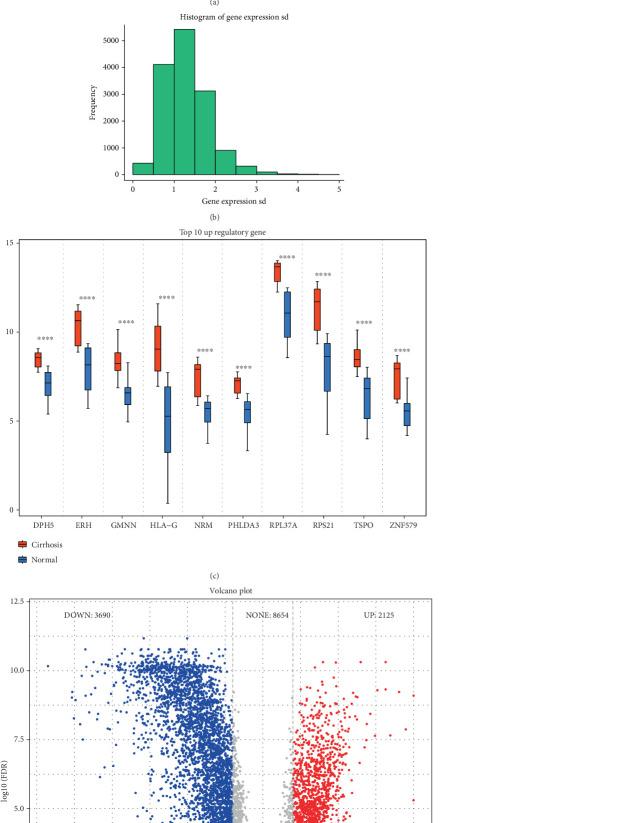
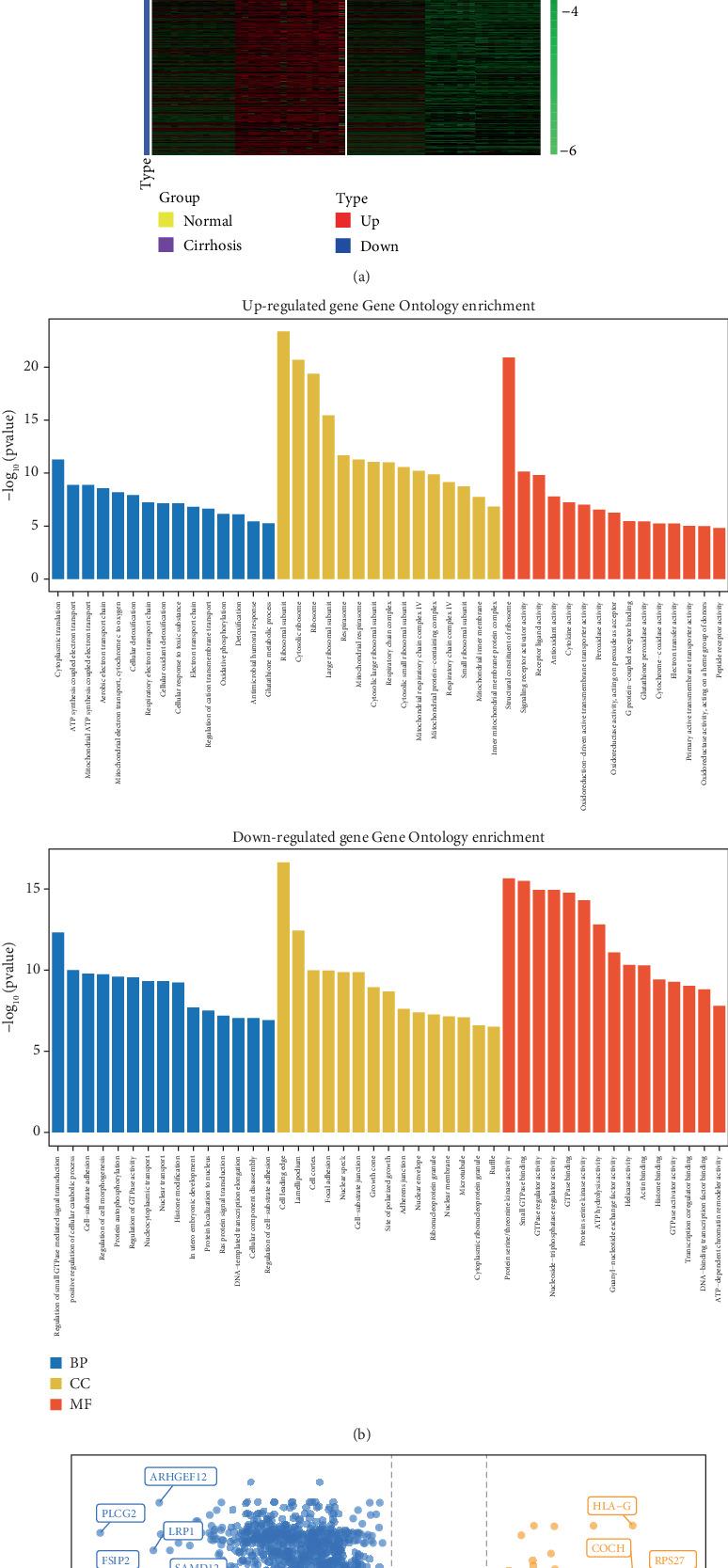
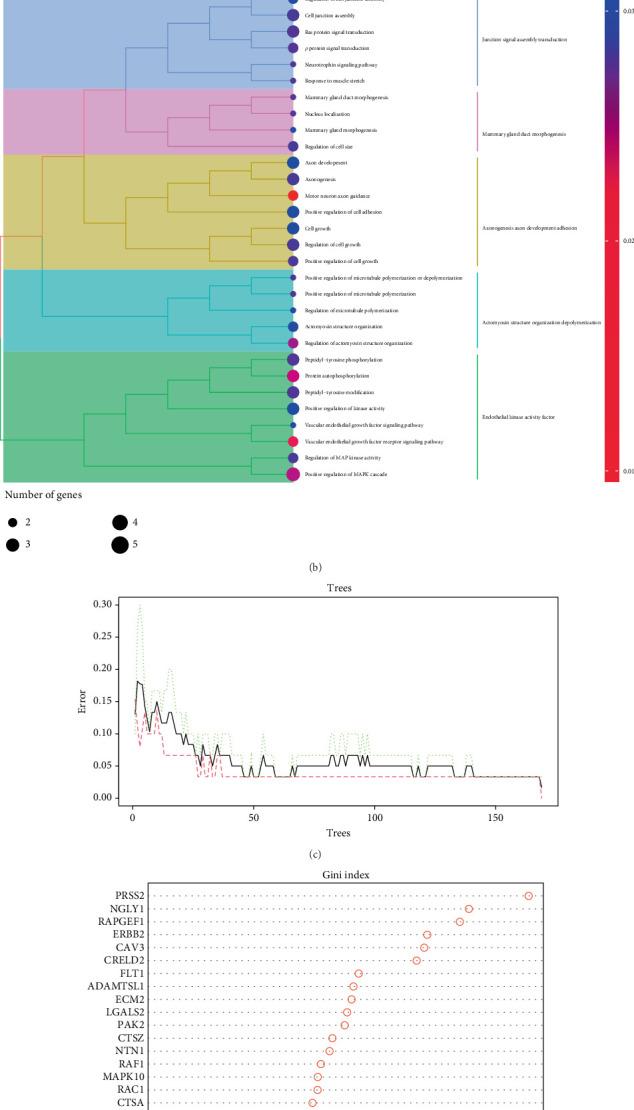
Hepatitis B virus (HBV)-associated liver cirrhosis, characterized by progressive fibrosis and regenerative nodule formation, remains a critical public health concern due to its high risk of progression to hepatocellular carcinoma (HCC). The matrisome-comprising extracellular matrix (ECM) components such as collagens, laminins, fibronectin, glycoproteins, and proteoglycans-plays a pivotal role in disease pathogenesis. Previous studies have shown that HBV infection modulates ECM composition and activates fibrogenic responses through hepatic stellate cells, contributing to cirrhosis and eventual HCC development. However, key ECM-related genes driving HBV-induced cirrhosis remain poorly understood. Bulk RNA-seq data from 30 normal and 30 HBV-related cirrhotic liver tissues were analyzed. Differentially expressed genes (DEGs) were identified using the Limma package based on thresholds of < 0.01 and |log2 fold change| > 1. ECM-related genes were curated from the Molecular Signatures Database (MsigDB). Functional significance was assessed via random forest classification (: 91%, : 90%), Gene Ontology (GO), and Kyoto Encyclopedia of Genes and Genomes (KEGG) pathway enrichment analyses. Among 14,470 analyzed genes, 2125 were upregulated and 3689 downregulated in cirrhotic tissues. Upregulated genes (, ) were linked to metabolic reprogramming, while downregulated genes (, ) implicated immune dysregulation. A subset of 274 ECM-related DEGs (178 upregulated, 96 downregulated) was identified, including , , , and . Pathway analysis highlighted dysregulation of Ras/MAPK and ERBB signaling pathways associated with fibrogenesis and tumorigenesis. This bioinformatics study delineates key matrisome-associated genes and pathways in HBV-related cirrhosis, offering novel insights into potential biomarkers and therapeutic targets. Further validation in larger cohorts is warranted to confirm clinical relevance.
乙型肝炎病毒(HBV)相关肝硬化以进行性纤维化和再生结节形成为特征,因其发展为肝细胞癌(HCC)的风险很高,仍然是一个关键的公共卫生问题。由胶原蛋白、层粘连蛋白、纤连蛋白、糖蛋白和蛋白聚糖等组成细胞外基质(ECM)成分的基质组在疾病发病机制中起关键作用。先前的研究表明,HBV感染可调节ECM组成并通过肝星状细胞激活纤维化反应,促进肝硬化及最终HCC的发生。然而,驱动HBV诱导肝硬化的关键ECM相关基因仍知之甚少。分析了来自30个正常和30个HBV相关肝硬化肝组织的批量RNA测序数据。使用Limma软件包基于<0.01和|log2倍变化|>1的阈值鉴定差异表达基因(DEG)。从分子特征数据库(MsigDB)中筛选出ECM相关基因。通过随机森林分类(:91%,:90%)、基因本体(GO)和京都基因与基因组百科全书(KEGG)通路富集分析评估功能意义。在14470个分析基因中,肝硬化组织中有2125个基因上调,3689个基因下调。上调基因(,)与代谢重编程有关,而下调基因(,)与免疫失调有关。鉴定出274个ECM相关DEG的子集(1个上调,96个下调),包括,,,和。通路分析突出了与纤维化和肿瘤发生相关的Ras/MAPK和ERBB信号通路的失调。这项生物信息学研究描绘了HBV相关肝硬化中关键的基质组相关基因和通路,为潜在的生物标志物和治疗靶点提供了新的见解。有必要在更大的队列中进行进一步验证以确认临床相关性。


 Zotero 插件