
LVV-H7在酒精诱导的奖赏机制中的作用。
The Role of LVV-H7 in Alcohol-Induced Reward Mechanisms.
作者信息
Mielczarek Przemyslaw, Hartman Kinga, Huang Eagle Yi-Kung, Gibula-Tarlowska Ewa, Grochecki Pawel, Slowik Tymoteusz, Kotlinska Jolanta H, Silberring Jerzy, Drabik Anna
机构信息
Faculty of Materials Science and Ceramics, AGH University of Krakow, Krakow, Poland.
Laboratory of Proteomics and Mass Spectrometry, Maj Institute of Pharmacology, Polish Academy of Sciences, Krakow, Poland.
出版信息
Addict Biol. 2025 Sep;30(9):e70086. doi: 10.1111/adb.70086.
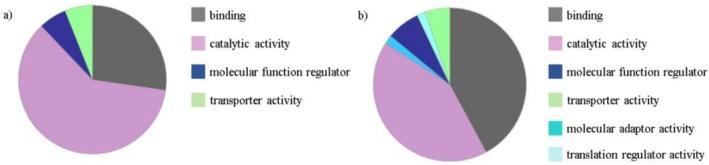
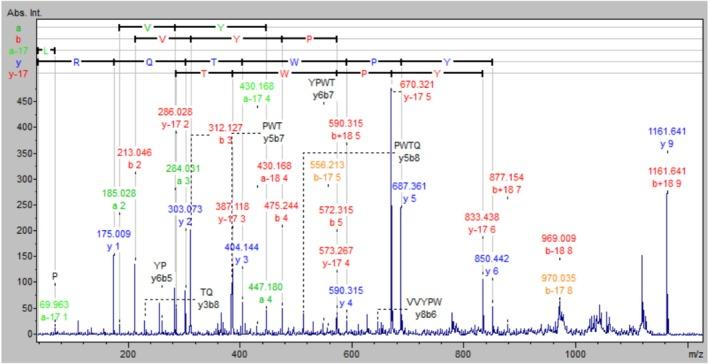
This study aimed to investigate the role of LVV-hemorphin-7 (LVV-H7) in alcohol dependence. LVV-H7 is a short peptide derived from the cleavage of haemoglobin chains that binds to opioid receptors and plays diverse roles in various physiological and pathological processes. Additionally, LVV-H7 is cleaved at higher concentrations in the presence of alcohol. We conducted behavioural experiments in animal models and performed proteomic analyses of CNS tissues from alcohol-addicted rats to identify LVV-H7 binding partners. Using fluorescent microscopy, we confirmed the blood-brain barrier (BBB) permeability of synthesized LVV-H7 and its releasing enzyme inhibitor, pepstatin. Our results revealed a dose-dependent correlation between LVV-H7 quantities and alcohol levels. Mass spectrometry-based analyses identified LVV-H7's protein-binding targets in CNS tissues of addicted rats and the enzymes responsible for their degradation. These findings highlight the significant role of LVV-H7 in the mechanisms underlying alcohol dependence and indicate the potential role of hemorphin as a therapeutic target.
本研究旨在探讨LVV-血啡肽-7(LVV-H7)在酒精依赖中的作用。LVV-H7是一种由血红蛋白链裂解产生的短肽,它与阿片受体结合,并在各种生理和病理过程中发挥多种作用。此外,在酒精存在的情况下,LVV-H7在较高浓度时会被裂解。我们在动物模型中进行了行为实验,并对酒精成瘾大鼠的中枢神经系统组织进行了蛋白质组学分析,以确定LVV-H7的结合伙伴。通过荧光显微镜,我们证实了合成的LVV-H7及其释放酶抑制剂胃蛋白酶抑制剂的血脑屏障(BBB)通透性。我们的结果揭示了LVV-H7含量与酒精水平之间的剂量依赖性相关性。基于质谱的分析确定了LVV-H7在成瘾大鼠中枢神经系统组织中的蛋白质结合靶点以及负责其降解的酶。这些发现突出了LVV-H7在酒精依赖潜在机制中的重要作用,并表明血啡肽作为治疗靶点的潜在作用。



 Zotero 插件