
药物诱导的胰腺β细胞再生:一种针对细胞治疗靶点的方法。
Drug-induced regeneration of pancreatic beta cells: An approach to cellular therapeutic targets.
作者信息
Parsi Parinaz, Saharkhiz Saber, Farani Marzieh Ramezani, Bakhtiyari Salar, Alipourfard Iraj
机构信息
Bioinformatics Lab, Department of Biology, School of Sciences, Razi University, Kermanshah, Iran.
Division of Neuroscience, Department of Cellular and Molecular Medicine, Faculty of Medicine, University of Ottawa, Ottawa, ON, Canada.
出版信息
Cell Regen. 2025 Sep 6;14(1):39. doi: 10.1186/s13619-025-00255-9.
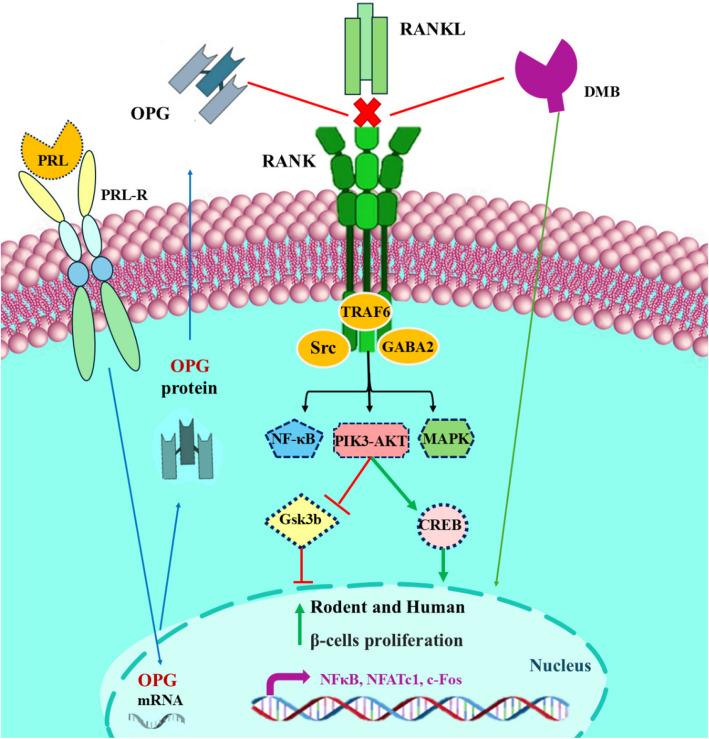
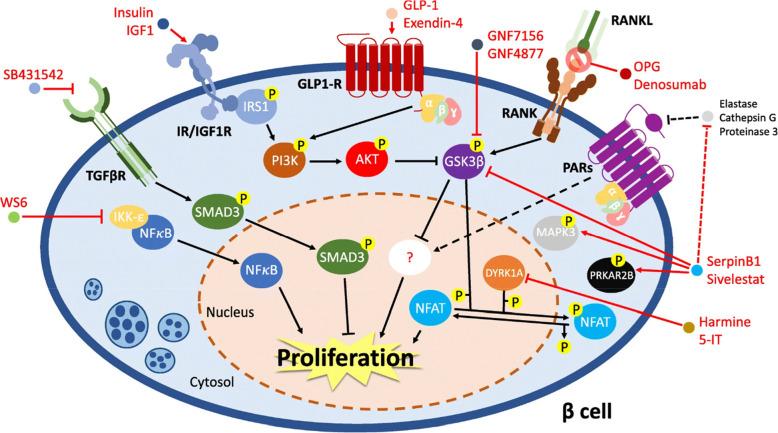
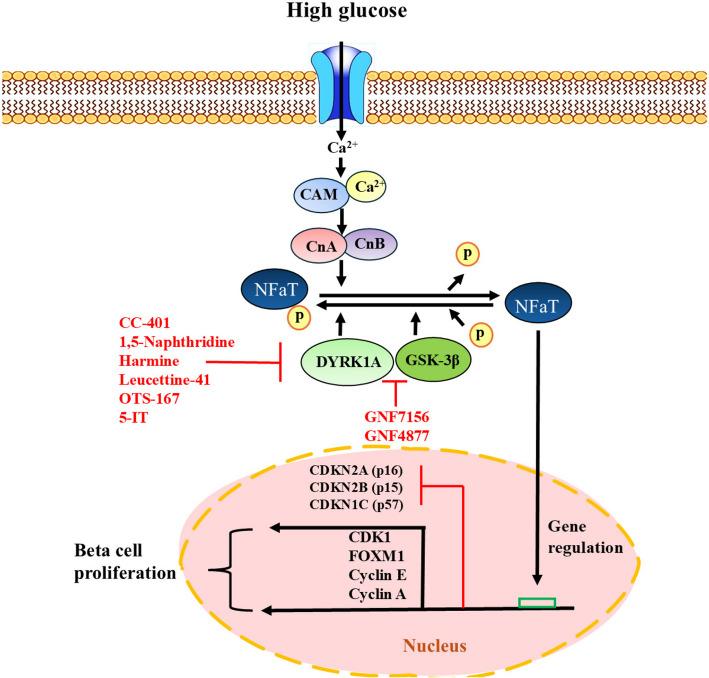
Diabetes mellitus is a common and serious metabolic disease globally, characterized by increased blood glucose levels. The major pathogenesis is the functional impairment of insulin-producing beta cells in the pancreas and the lack of insulin secretion. Although both type 1 and type 2 diabetes develop through distinct pathological mechanisms, they lead to the destruction and/or dysfunction of beta cells, resulting in inadequate beta cell mass to maintain normal blood glucose levels. For this reason, therapeutic agents capable of inducing beta cell proliferation can be considered a possible approach to restore beta cell abundance and treat type 1 and type 2 diabetes. Although several methods have been found to promote the replication of beta cells in animal models or cell lines, it is still challenging to promote the effective proliferation of beta cells in humans. This review highlights the different agents and mechanisms that facilitate pancreatic beta cell regeneration. Numerous small molecules have been discovered to influence beta cell proliferation, primarily by targeting cellular pathways such as DYRK1A, adenosine kinase, SIK, and glucokinase. Additionally, receptors for TGF-β, EGF, insulin, glucagon, GLP-1, SGLT2 inhibitors, and prolactin play critical roles in this process. Stem cell-based clinical trials are also underway to assess the safety and efficacy of stem cell therapies for patients with type 1 and type 2 diabetes. We have emphasized alternative therapeutic pathways and related strategies that may be employed to promote the regeneration of pancreatic beta cells. The knowledge raised within this review may help to understand the potential drug-inducible targets for beta cell regeneration and pave the way for further investigations.
糖尿病是一种全球常见且严重的代谢性疾病,其特征为血糖水平升高。主要发病机制是胰腺中产生胰岛素的β细胞功能受损以及胰岛素分泌不足。尽管1型和2型糖尿病通过不同的病理机制发展,但它们都会导致β细胞的破坏和/或功能障碍,从而使β细胞数量不足以维持正常血糖水平。因此,能够诱导β细胞增殖的治疗药物可被视为恢复β细胞数量并治疗1型和2型糖尿病的一种可能方法。尽管已发现多种方法可促进动物模型或细胞系中β细胞的复制,但在人类中促进β细胞有效增殖仍然具有挑战性。本综述重点介绍了促进胰腺β细胞再生的不同药物和机制。已发现许多小分子主要通过靶向细胞通路(如DYRK1A、腺苷激酶、SIK和葡萄糖激酶)来影响β细胞增殖。此外,转化生长因子-β、表皮生长因子、胰岛素、胰高血糖素、胰高血糖素样肽-1、钠-葡萄糖协同转运蛋白2抑制剂和催乳素的受体在这一过程中发挥着关键作用。基于干细胞的临床试验也正在进行,以评估干细胞疗法对1型和2型糖尿病患者的安全性和有效性。我们强调了可能用于促进胰腺β细胞再生的替代治疗途径和相关策略。本综述中提出的知识可能有助于了解β细胞再生的潜在药物诱导靶点,并为进一步研究铺平道路。
 Zotero 插件