
邻苯二甲酸酯暴露的表观遗传特征及潜在风险:使用Infinium MethylationEPIC BeadChip进行的DNA甲基化分析
Epigenetic signatures of phthalate exposure and potential risks: a DNA methylation analysis using Infinium MethylationEPIC BeadChip.
作者信息
Wu Ping-Hsun, Chen Shiau-Ching, Chien Chun-Jui, Lin Johnathan, Lee Hsiang-Ying, Lin Yi-Ting, Weng Ting-Chia, Hsu Ping-Chi, Wu Ming-Tsang, Yu Sung-Huan
机构信息
Division of Nephrology, Department of Internal Medicine, Kaohsiung Medical University Hospital, Kaohsiung Medical University, Kaohsiung 80756, Taiwan.
Faculty of Medicine, College of Medicine, Kaohsiung Medical University, Kaohsiung 807378, Taiwan.
出版信息
Environ Epigenet. 2025 Jun 18;11(1):dvaf020. doi: 10.1093/eep/dvaf020. eCollection 2025.
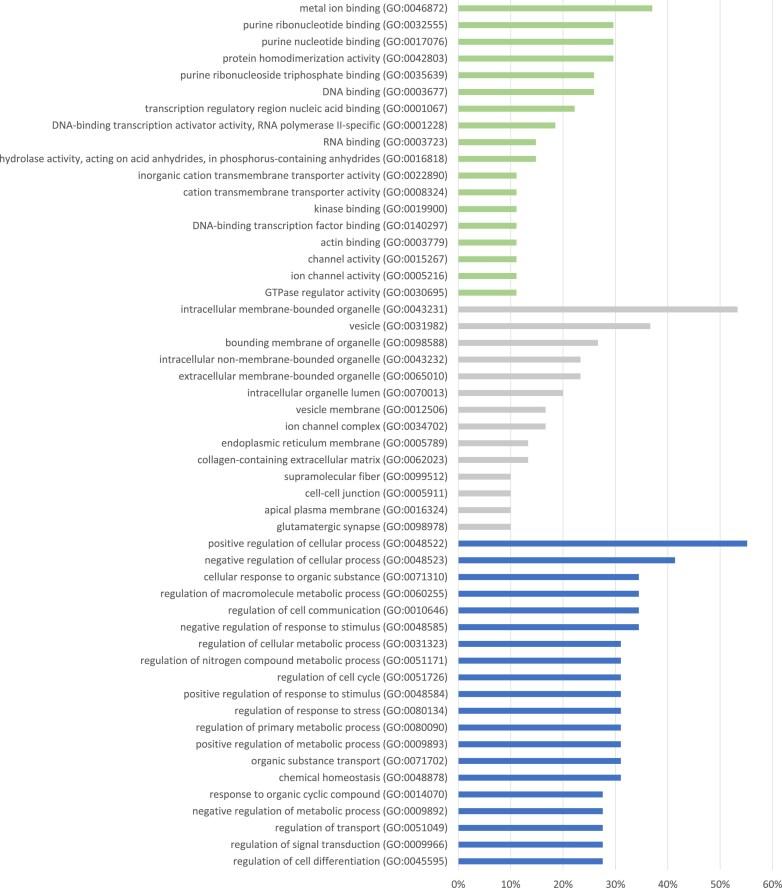
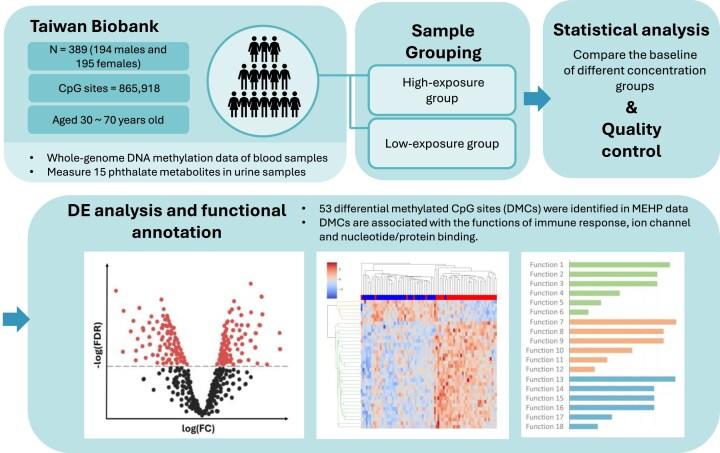
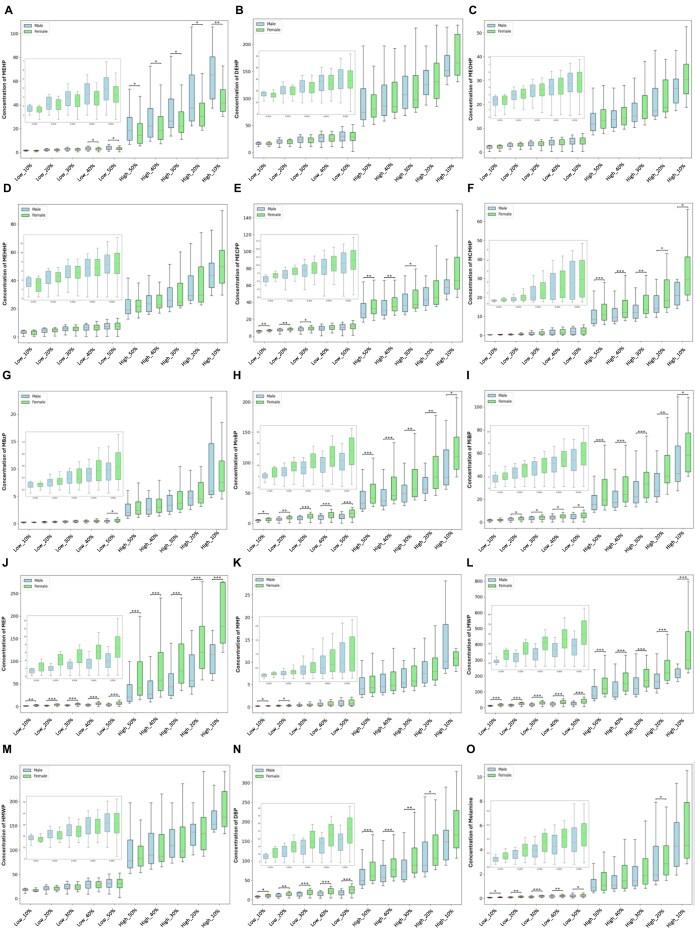
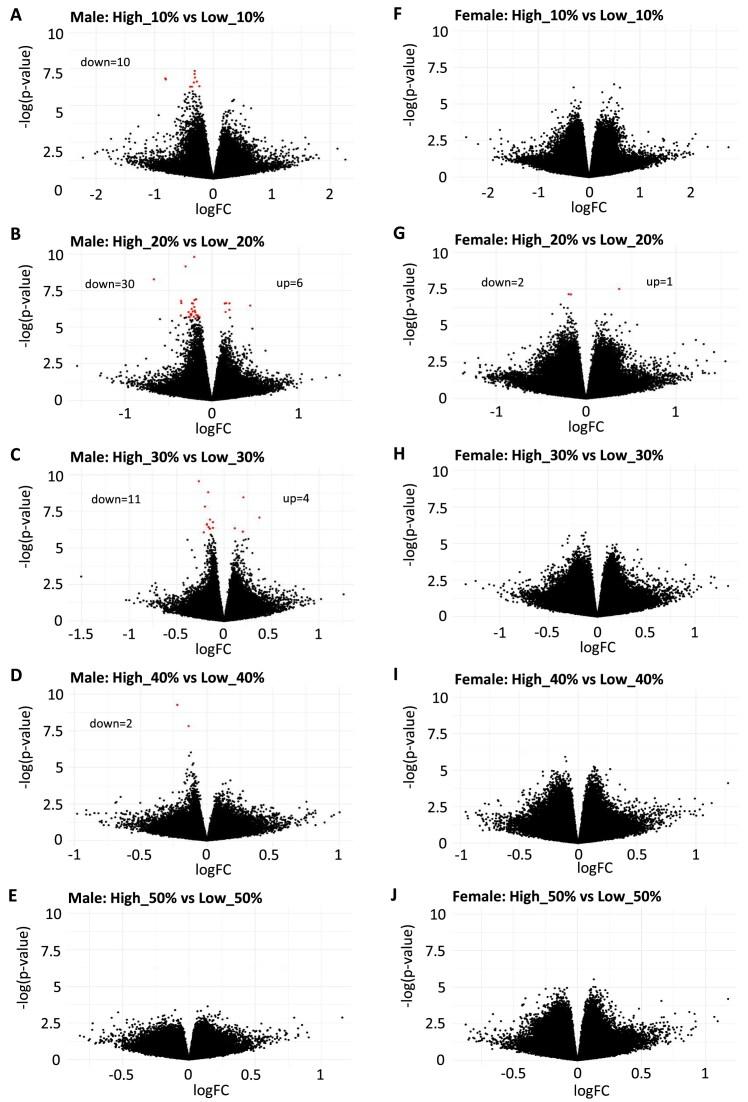
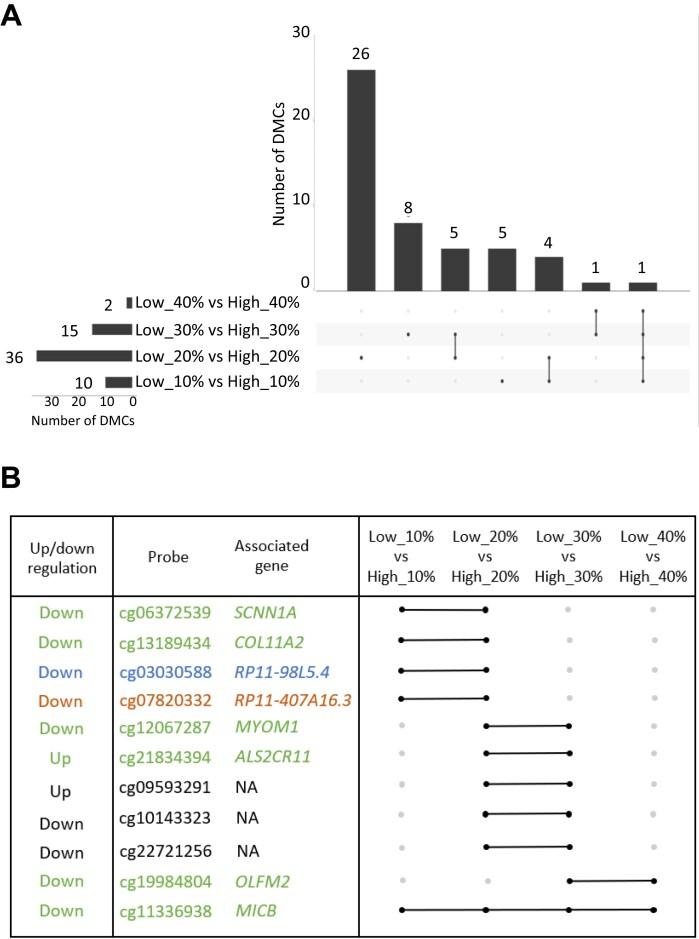
Phthalates are common environmental pollutants known to disrupt various regulatory systems and are associated with several health issues, such as impaired immune response, developmental toxicity, hormonal disruption, and type 2 diabetes. Epigenetic modifications, such as DNA methylation, can serve as early indicators of environmental toxicant exposure due to their rapid alteration in response to varying environmental factors without altering the underlying DNA sequence. To investigate the impact of phthalate exposure on human health and the affected regulatory mechanisms, this study analysed a DNA methylation dataset generated using the Illumina Infinium MethylationEPIC BeadChip (EPIC BeadChip) array, along with the concentrations of 15 urinary phthalate metabolites from 389 participants. The results revealed sex-specific differences in phthalate concentrations, with females exhibiting relatively higher levels than males. These differences may reflect a combination of factors, including lifestyle behaviours and potential differences in exposure sources. Furthermore, differentially methylated CpG sites (DMCs) were identified only in the mono-ethylhexyl phthalate (MEHP) dataset, where a total of 53 DMCs were detected, including 11 that were consistently detected across multiple MEHP concentration comparisons. Additionally, the functional analysis showed that these DMCs are primarily involved in protein and nucleotide binding, immune response, ion channel regulation, and membrane-associated pathways. This study provides high-potential phthalate-related methylation markers, their associated genes, and the functions they are involved in. These findings offer valuable insights for the research on environmental toxicants and epigenetics, while supporting clinical applications related to phthalates.
邻苯二甲酸盐是常见的环境污染物,已知会扰乱各种调节系统,并与多种健康问题相关,如免疫反应受损、发育毒性、激素紊乱和2型糖尿病。表观遗传修饰,如DNA甲基化,由于其能快速响应不同环境因素而改变,且不改变潜在的DNA序列,可作为环境毒物暴露的早期指标。为了研究邻苯二甲酸盐暴露对人类健康的影响以及受影响的调节机制,本研究分析了使用Illumina Infinium MethylationEPIC BeadChip(EPIC BeadChip)阵列生成的DNA甲基化数据集,以及389名参与者的15种尿邻苯二甲酸酯代谢物浓度。结果显示,邻苯二甲酸盐浓度存在性别差异,女性的浓度相对高于男性。这些差异可能反映了多种因素的综合作用,包括生活方式行为和暴露源的潜在差异。此外,仅在邻苯二甲酸单(2-乙基己基)酯(MEHP)数据集中鉴定出差异甲基化的CpG位点(DMC),共检测到53个DMC,其中11个在多个MEHP浓度比较中均被一致检测到。此外,功能分析表明,这些DMC主要参与蛋白质和核苷酸结合、免疫反应、离子通道调节以及膜相关途径。本研究提供了与邻苯二甲酸盐相关的高潜力甲基化标记、其相关基因以及它们所涉及的功能。这些发现为环境毒物和表观遗传学研究提供了有价值的见解,同时支持与邻苯二甲酸盐相关的临床应用。

 Zotero 插件