
色满-4-酮和高异黄酮衍生物的合成与抗菌评价
Synthesis and Antimicrobial Evaluation of Chroman-4-One and Homoisoflavonoid Derivatives.
作者信息
Filho Carlos D S M Bezerra, Galvão José L F M, Lima Edeltrudes O, Perez-Castillo Yunierkis, Velásquez-López Yendrek, de Sousa Damião P
机构信息
Department of Pharmaceutical Sciences, Federal University of Paraíba, João Pessoa 58051-900, PB, Brazil.
Bio-Cheminformatics Research Group and Facultad de Ingeniería y Ciencias Aplicadas, Universidad de Las Américas, Quito 170125, Ecuador.
出版信息
Molecules. 2025 Aug 31;30(17):3575. doi: 10.3390/molecules30173575.
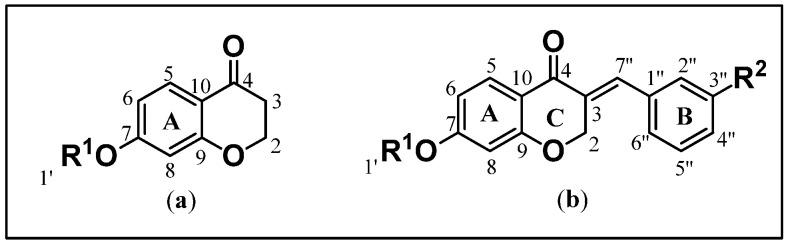
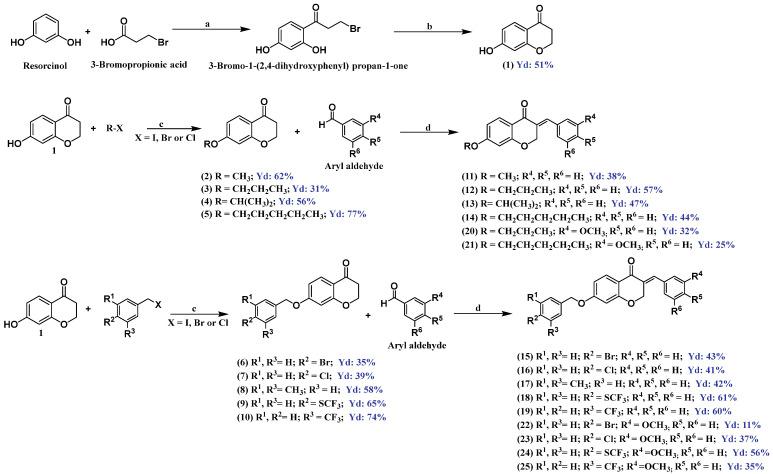
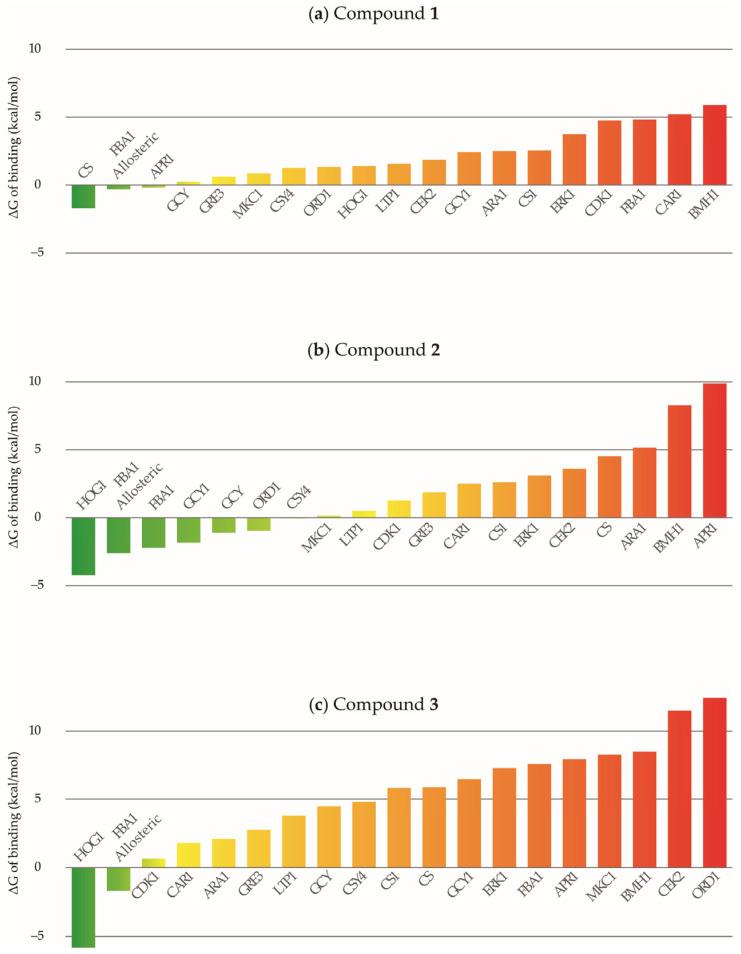
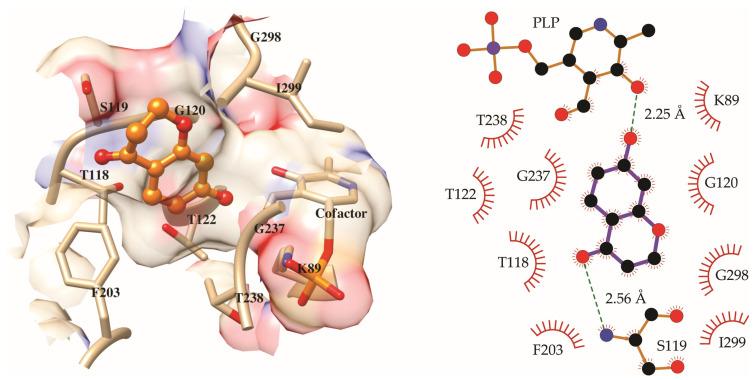
The continuous increase in microbial resistance to therapeutic agents has become one of the greatest challenges to global health. In this context, the present study investigated the bioactivity of 25 chroman-4-one and homoisoflavonoid derivatives-17 of which are novel-against pathogenic microorganisms, including , , , , , (formerly , , and . Antimicrobial assay was performed using the microdilution technique in 96-well microplates to determine the minimum inhibitory concentration (MIC). Thirteen compounds exhibited antimicrobial activity, with compounds , , and demonstrating greater potency than the positive control, especially against species. Molecular modeling suggested distinct mechanisms of action in : potentially inhibits cysteine synthase, while and possibly target HOG1 kinase and FBA1, key proteins in fungal virulence and survival. Our findings indicated that the addition of alkyl or aryl carbon chains at the hydroxyl group at position 7 reduces antimicrobial activity, whereas the presence of methoxy substituents at the position of ring B in homoisoflavonoids enhances bioactivity. These findings highlight key structural features of these compound classes, which may aid in the development of new bioactive agents against pathogenic microorganisms.
微生物对治疗药物的耐药性持续增加已成为全球健康面临的最大挑战之一。在此背景下,本研究调查了25种色满-4-酮和高异黄酮衍生物(其中17种为新型衍生物)对包括[具体微生物名称未给出]、[具体微生物名称未给出]、[具体微生物名称未给出]、[具体微生物名称未给出]、[具体微生物名称未给出]、[具体微生物名称未给出](以前称为[具体旧称未给出]、[具体旧称未给出]和[具体旧称未给出])等致病微生物的生物活性。使用96孔微孔板中的微量稀释技术进行抗菌测定,以确定最低抑菌浓度(MIC)。13种化合物表现出抗菌活性,其中化合物[具体化合物名称未给出]、[具体化合物名称未给出]和[具体化合物名称未给出]显示出比阳性对照更强的效力,尤其是对[具体微生物种类未给出]。分子建模表明在[具体微生物名称未给出]中有不同的作用机制:[具体化合物名称未给出]可能抑制半胱氨酸合酶,而[具体化合物名称未给出]和[具体化合物名称未给出]可能靶向HOG1激酶和FBA1,这是真菌毒力和存活中的关键蛋白。我们的研究结果表明在7位羟基处添加烷基或芳基碳链会降低抗菌活性,而在高异黄酮的B环[具体位置未给出]位存在甲氧基取代基会增强生物活性。这些发现突出了这些化合物类别的关键结构特征,这可能有助于开发针对致病微生物的新型生物活性剂。


 Zotero 插件