
医学中磁性纳米颗粒的毒性:影响因素与现代评估方法
Toxicity of Magnetic Nanoparticles in Medicine: Contributing Factors and Modern Assessment Methods.
作者信息
Nowak-Jary Julia, Machnicka Beata
机构信息
Department of Biotechnology, Institute of Biological Sciences, University of Zielona Gora, Prof. Z. Szafrana 1, 65-516 Zielona Gora, Poland.
出版信息
Int J Mol Sci. 2025 Sep 3;26(17):8586. doi: 10.3390/ijms26178586.
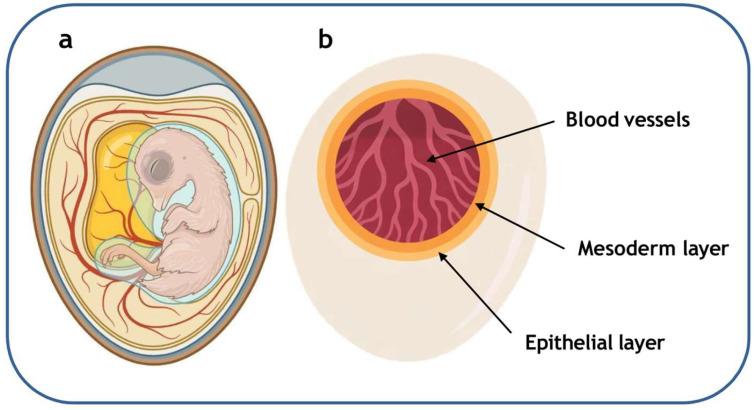
With the rapid evolution of nanotechnology, magnetic iron oxide nanoparticles (MNPs)-primarily FeO and γ-FeO-have gained prominence in biomedicine. Their extensive specific surface area, tunable surface functionalities, and intrinsic magnetic characteristics render them highly versatile for diverse clinical applications, including tumor visualization through Magnetic Resonance Imaging (MRI), radiolabeling, targeted radiotherapy, hyperthermia, gene transfer, drug delivery, Magnetic Particle Imaging (MPI), magnetic blood filtration and theranostic strategies. Nevertheless, ensuring the biocompatibility and non-toxicity of these nanostructures remains a fundamental prerequisite for their medical implementation. Hence, it is essential to continuously refine our understanding of MNP-related toxicity and pursue comprehensive research on this front. This article consolidates up-to-date insights into the evaluation of MNPs' toxicological profiles, emphasizing the influence of physicochemical properties such as morphology, surface modifications, and electrostatic characteristics, along with operational factors like dosage and administration routes. Traditional toxicity testing strategies, including in vitro assays as first-line screening tools, together with standard ex vivo and in vivo models, are discussed. Special attention is given to the emerging role of New Approach Methodologies (NAMs), such as organoid formation, 3D bioprinting, in ovo chicken embryo assays, and image cytometry. These techniques offer ethical, human-relevant, and informative alternatives to animal testing, supporting more predictive and translationally relevant toxicity assessment of MNPs. Taken together, the integration of conventional assays with innovative NAMs, alongside careful consideration of physicochemical and operational factors, is essential to translate the laboratory promise of MNPs into safe and clinically effective nanomedicines.
随着纳米技术的迅速发展,磁性氧化铁纳米颗粒(MNPs)——主要是FeO和γ-FeO——在生物医学领域中日益突出。它们具有广泛的比表面积、可调节的表面功能以及固有的磁性特性,使其在多种临床应用中具有高度的通用性,包括通过磁共振成像(MRI)进行肿瘤可视化、放射性标记、靶向放疗、热疗、基因转移、药物递送、磁粒子成像(MPI)、磁性血液过滤和诊疗策略。然而,确保这些纳米结构的生物相容性和无毒性仍然是其医学应用的基本前提。因此,不断完善我们对与MNPs相关毒性的理解并在这方面进行全面研究至关重要。本文汇总了有关MNPs毒理学特征评估的最新见解,强调了形态、表面修饰和静电特性等物理化学性质以及剂量和给药途径等操作因素的影响。讨论了传统的毒性测试策略,包括作为一线筛选工具的体外试验以及标准的离体和体内模型。特别关注了新方法学(NAMs)的新兴作用,如类器官形成、3D生物打印、鸡胚卵内试验和图像细胞术。这些技术为动物试验提供了符合伦理、与人类相关且信息丰富的替代方法,支持对MNPs进行更具预测性和转化相关性的毒性评估。总之,将传统试验与创新的NAMs相结合,同时仔细考虑物理化学和操作因素,对于将MNPs在实验室中的前景转化为安全且临床有效的纳米药物至关重要。


 Zotero 插件