
从即时影响到持久变化:经颅直流电刺激(tDCS)的时间效应及其与经颅磁刺激(TMS)长期等效性的转录组学比较
From Immediate Impact to Enduring Change: A Transcriptomic Comparison of tDCS's Temporal Effects and Its Long-Term Equivalence with TMS.
作者信息
Agrawal Bhanumita, Feuermann Yonatan, Panov Julia, Kaphzan Hanoch
机构信息
Sagol Department of Neurobiology, University of Haifa, Haifa 3103301, Israel.
Tauber Bioinformatics Research Center, University of Haifa, Haifa 3103301, Israel.
出版信息
Int J Mol Sci. 2025 Sep 4;26(17):8634. doi: 10.3390/ijms26178634.
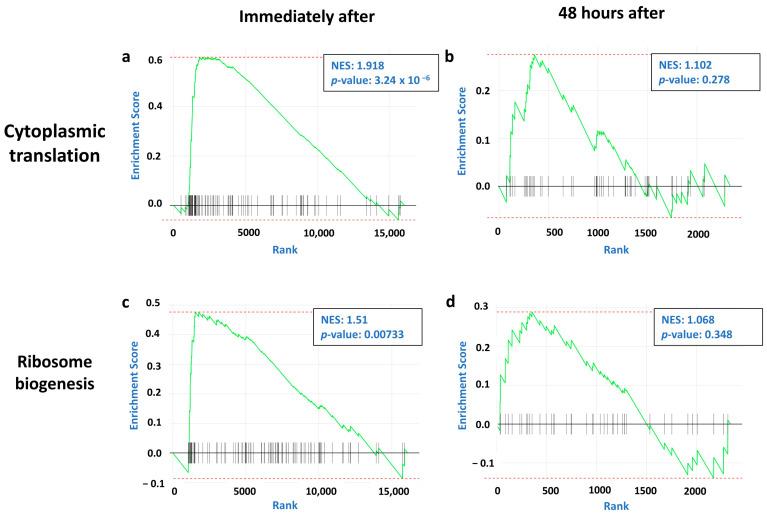
Transcranial Direct Current Stimulation (tDCS) and Transcranial Magnetic Stimulation (TMS) are neuromodulatory techniques with therapeutic potential for similar disorders; however, their molecular effects require further elucidation, and whether both strategies work in similar biological pathways is unknown. Thus, determining whether these effects are unique or shared across techniques is essential for optimizing their therapeutic applications. We investigated the long-term effects of tDCS by generating a novel transcriptomic dataset and comparing it to immediate tDCS effects and long-term TMS effects using publicly available data. Transcriptomics data were generated using nanopore sequencing on parietal cortices below the stimulation electrode of C57BL/6 mice that underwent repetitive anodal tDCS (200 µA) for 20 min over 5 consecutive days. Bioinformatics analyses were conducted on this dataset in conjunction with publicly available datasets on immediate tDCS and long-term TMS effects. Repetitive tDCS induces long-term alterations in protein translation, mitochondrial function, and cellular respiration, while TMS primarily affects calcium-mediated signaling, suggesting distinct neuromodulatory and molecular mechanisms. These findings demonstrate that tDCS and TMS elicit lasting but distinct molecular changes, highlighting technique-specific neuromodulatory effects relevant to their therapeutic applications.
经颅直流电刺激(tDCS)和经颅磁刺激(TMS)是对相似病症具有治疗潜力的神经调节技术;然而,它们的分子效应需要进一步阐明,并且这两种策略是否作用于相似的生物学途径尚不清楚。因此,确定这些效应是这些技术所特有的还是共有的,对于优化它们的治疗应用至关重要。我们通过生成一个新的转录组数据集,并将其与即时tDCS效应和使用公开可用数据的长期TMS效应进行比较,来研究tDCS的长期效应。转录组学数据是使用纳米孔测序技术在C57BL/6小鼠刺激电极下方的顶叶皮质上生成的,这些小鼠连续5天接受重复阳极tDCS(200 μA),每次20分钟。结合关于即时tDCS和长期TMS效应的公开可用数据集,对该数据集进行了生物信息学分析。重复tDCS会引起蛋白质翻译、线粒体功能和细胞呼吸的长期改变,而TMS主要影响钙介导的信号传导,这表明存在不同的神经调节和分子机制。这些发现表明,tDCS和TMS会引发持久但不同的分子变化,突出了与它们的治疗应用相关的技术特异性神经调节效应。



 Zotero 插件