
在美容外科中运用再生科学:由生物学驱动的未来。
Harnessing Regenerative Science in Aesthetic Surgery: The Biologically Driven Future.
作者信息
Olivas Claire G, Shauly Orr, Hutchison Dana M, Gould Daniel J
机构信息
Division of Plastic and Reconstructive Surgery, University of Southern California, Los Angeles, CA 90033, USA.
Division of Plastic and Reconstructive Surgery, Emory University, Atlanta, GA 30322, USA.
出版信息
J Clin Med. 2025 Sep 2;14(17):6205. doi: 10.3390/jcm14176205.
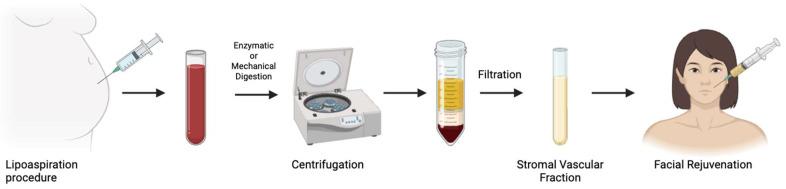
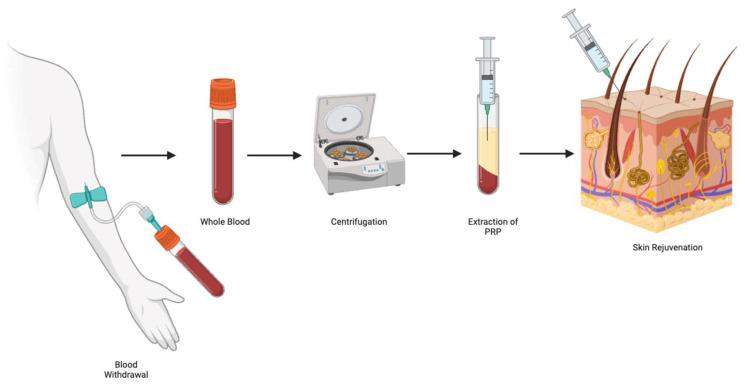
As the fields of plastic surgery and dermatology advance, regenerative medicine is positioned to play a transformative role in both aesthetic and reconstructive procedures. This narrative review examines current and emerging applications of biologic therapies, including exosomes, platelet-rich plasma (PRP), and adipose-derived stem cells (ASCs) with an emphasis on their mechanisms of action, clinical efficacy, and regulatory considerations. We also explore synergistic strategies, such as the combined use of biologics with laser-based technologies, which may enhance therapeutic outcomes. Looking forward, we highlight promising developments in mitochondrial-based therapies, microRNA-based therapies, synthetic exosome mimetics, and AI-assisted biologic design, offering a framework for personalized, precision-driven interventions. By synthesizing existing clinical data alongside scientific and ethical challenges, this narrative review provides a comprehensive perspective on how regenerative therapies are transforming the landscape of aesthetics. Ultimately, successful integration of these innovations will require rigorous validation, ethical responsibility, and a patient-centered approach by plastic surgeons and dermatologists to ensure both safety and accessibility in mainstream practice.
随着整形外科学和皮肤病学领域的发展,再生医学在美容和重建手术中都将发挥变革性作用。本叙述性综述探讨了生物疗法的当前及新兴应用,包括外泌体、富血小板血浆(PRP)和脂肪来源干细胞(ASC),重点关注其作用机制、临床疗效和监管考量。我们还探讨了协同策略,如生物制剂与激光技术的联合使用,这可能会提高治疗效果。展望未来,我们强调基于线粒体的疗法、基于微小RNA的疗法、合成外泌体模拟物和人工智能辅助生物设计等有前景的发展方向,为个性化、精准驱动的干预提供一个框架。通过综合现有临床数据以及科学和伦理挑战,本叙述性综述全面阐述了再生疗法如何改变美学领域。最终,要成功整合这些创新,整形外科医生和皮肤科医生需要进行严格验证、履行道德责任并采取以患者为中心的方法,以确保在主流实践中的安全性和可及性。

 Zotero 插件