
鼻阻塞综合征的临床影响及其当前管理策略
Clinical Impact of Nasal Obstructive Syndrome and Its Current Management Strategies.
作者信息
Lizano Guevara Freddy, Rojas Peláez Alberto, Soto-Junco Edgardo J, Sáenz Araya David, Sevilla Torres Enmanuel, Baizan Orias Santiago Daniel
机构信息
General Medicine, Universidad de Ciencias Médicas (UCIMED), San José, CRI.
General Medicine, Universidad de Costa Rica, San José, CRI.
出版信息
Cureus. 2025 Aug 22;17(8):e90762. doi: 10.7759/cureus.90762. eCollection 2025 Aug.
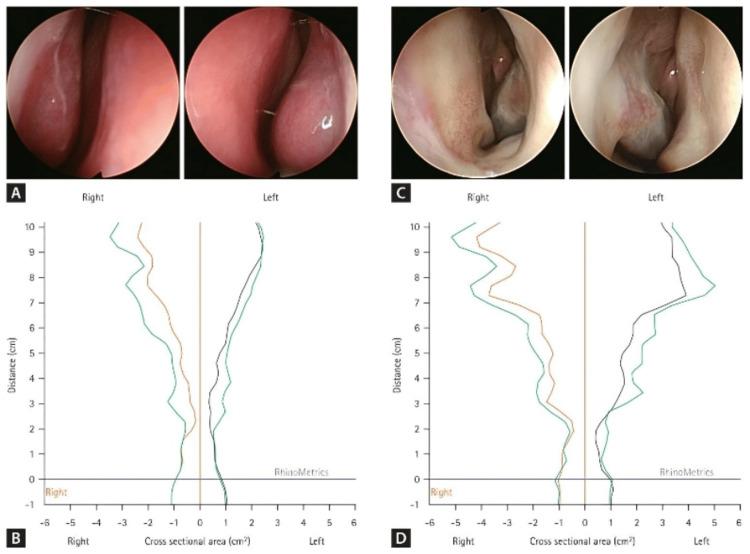
Nasal obstruction syndrome (NOS) is inherently complex due to the combination of nasal anatomy and physiology and pathophysiologic processes that together affect airflow, filtering, smell, and the general health of the respiratory system. The nasopharynx consists of different structures together: the septum, turbinates, and nasal valves that together perform the jobs associated with the nasal polyp, which is to regulate air conditioning and mucociliary clearance. Changes that can be recognized in the septum, turbinates, and nasal valve will individually and/or collectively affect the potential for airway obstruction. However, obstructions may not occur as a function of anatomy; they may occur via anatomical functional restrictions, as is believed to be the case with breathing-facilitating trigeminal nerve dysfunction, evidenced by the subjective sensations of nasal obstruction while no anterior nasal obstruction is observed. In addition to anatomical changes such as turbinate hypertrophy, outpt septal deviation, and/or nasal valve collapse, there are also chronic inflammatory disease states such as rhinosinusitis, allergic and non-allergic rhinitis, and nasal polyposis that will develop to produce nasal obstructions via mucosal edema and structural room through tissue remodeling. The clinical consequence of NOS is nasal airway congestion, hyposmia, and compensatory mouth breathing, with the latter two activities causing harm to sensory deficits such as taste, sleep quality, and cognitive functioning, and impedance in health-related quality of life. Commonly utilized diagnostic procedures include nasal endoscopy, CT, and testing for the effects of nasal obstruction (e.g., the Nasal Obstruction Symptom Evaluation (NOSE) scale, Sino-Nasal Outcome Test-22 (SNOT-22), and Visual Analog Scale (VAS)), which are specific to confirm the effect of nasal obstruction. Radiological and nasal endoscopic findings focused on anatomical distortions and specific patterns of obstructive nasal difficulty, particularly in chronic, difficult-to-treat rhinosinusitis and nasal valve obstruction. Management plans unite both pharmacologic options, such as antihistamines, corticosteroids, and immunotherapies, with surgical procedures, which can include septoplasty, turbinate reduction, nasal valve reconstruction, and functional endoscopic sinus surgery (FESS). Treatment will depend on the patient's specific medical and social history, which is especially critical for children, older-age patients, and patients with comorbid respiratory problems such as asthma or obstructive sleep apnea (OSA). For children, the typical catalyst for nasal obstruction appears to be adenoid hypertrophy, whereas older patients may differ in their nasal microbiota. Management is a multidisciplinary team effort, engaging otolaryngology, allergy, and pulmonology specialists to treat this multifaceted condition.
鼻阻塞综合征(NOS)本质上很复杂,因为鼻腔解剖结构、生理功能以及病理生理过程相互交织,共同影响气流、过滤、嗅觉以及呼吸系统的整体健康。鼻咽由多种不同结构组成,包括鼻中隔、鼻甲和鼻瓣膜,它们共同承担着与鼻息肉相关的功能,即调节空气调节和黏液纤毛清除功能。鼻中隔、鼻甲和鼻瓣膜中可识别的变化会单独和/或共同影响气道阻塞的可能性。然而,阻塞不一定是由解剖结构引起的;它们可能通过解剖功能限制而发生,呼吸促进性三叉神经功能障碍被认为就是这种情况,表现为虽未观察到前鼻孔阻塞,但患者主观感觉有鼻阻塞。除了鼻甲肥大、鼻中隔偏曲和/或鼻瓣膜塌陷等解剖结构变化外,还有慢性炎症性疾病状态,如鼻窦炎、变应性和非变应性鼻炎以及鼻息肉病,这些疾病会通过黏膜水肿和组织重塑导致鼻腔结构改变,进而引起鼻阻塞。NOS的临床后果是鼻气道充血、嗅觉减退和代偿性口呼吸,后两种情况会对味觉、睡眠质量和认知功能等感觉缺陷以及健康相关生活质量产生不良影响。常用的诊断方法包括鼻内镜检查、CT以及鼻阻塞影响测试(如鼻阻塞症状评估(NOSE)量表、鼻窦结局测试-22(SNOT-22)和视觉模拟量表(VAS)),这些方法专门用于确认鼻阻塞的影响。放射学和鼻内镜检查结果侧重于解剖结构扭曲和阻塞性鼻病的特定模式,特别是在慢性、难治性鼻窦炎和鼻瓣膜阻塞中。治疗方案结合了药物治疗选择,如抗组胺药、皮质类固醇和免疫疗法,以及手术治疗,手术包括鼻中隔成形术、鼻甲切除术、鼻瓣膜重建术和功能性鼻内镜鼻窦手术(FESS)。治疗将取决于患者的具体病史和社会史,这对儿童、老年患者以及患有合并呼吸系统问题(如哮喘或阻塞性睡眠呼吸暂停(OSA))的患者尤为关键。对于儿童,鼻阻塞的典型诱因似乎是腺样体肥大,而老年患者的鼻腔微生物群可能有所不同。治疗需要多学科团队协作,耳鼻喉科、过敏科和肺科专家共同参与治疗这种多方面的疾病。



 Zotero 插件